Top 2025 Air Fryer Paper: The Ultimate Guide to Healthier Cooking
In recent years, air fryers have revolutionized the way we approach cooking, offering a healthier alternative to traditional frying methods. One of the essential tools gaining popularity alongside air fryers is Air Fryer Paper, designed to enhance the cooking experience while minimizing cleanup and promoting healthier meal preparation. This ultimate guide will explore the many benefits and practical applications of Air Fryer Paper, making it an indispensable addition to your kitchen arsenal.
As we delve into the world of Air Fryer Paper, we will uncover its versatile uses, from preventing food from sticking to the fryer basket to ensuring even crisping and browning. The innovative design of this paper not only helps retain the flavors of your favorite dishes but also allows for a more health-conscious approach without sacrificing taste. Whether you're a seasoned home cook or just beginning your culinary journey, understanding the significance of Air Fryer Paper will elevate your cooking game and lead to delicious, guilt-free meals. Join us as we navigate the top features and tips for using this remarkable kitchen accessory in your quest for healthier cooking in 2025 and beyond.

Understanding Air Fryers: Technology and Cooking Mechanics
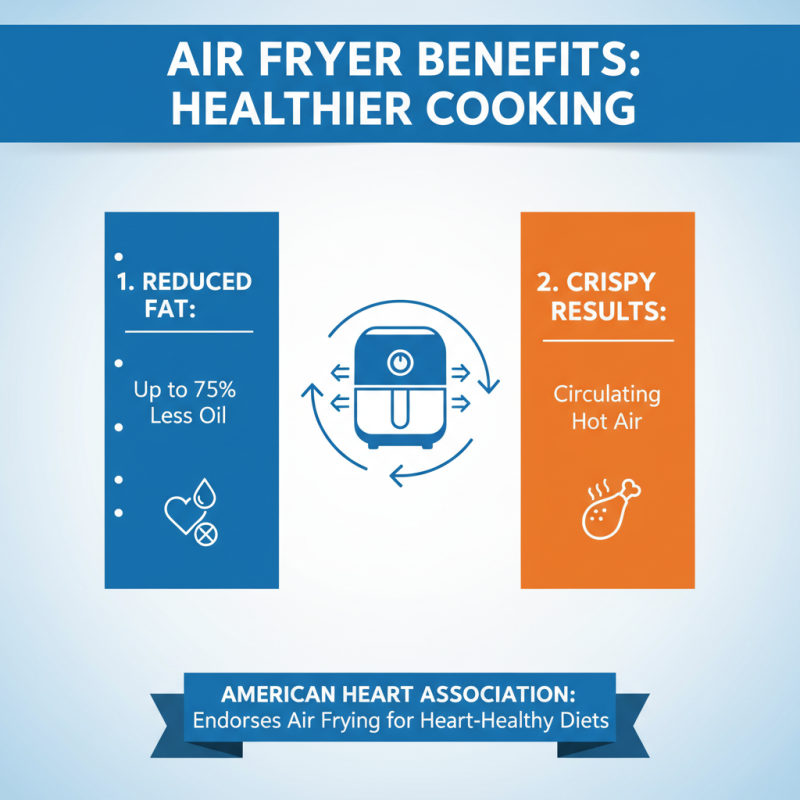
Air fryers have rapidly gained popularity as a healthier alternative to traditional frying methods, largely due to their innovative technology. At the heart of an air fryer lies a powerful heating element and a fan that circulates hot air around the food, creating a crispy exterior while using significantly less oil. According to a report by the American Heart Association, cooking with an air fryer can reduce fat content by up to 75% compared to deep frying, making it a favorable option for those looking to maintain a heart-healthy diet.
Understanding the cooking mechanics of air fryers is crucial for maximizing their potential. The rapid air technology not only reduces cooking time but also ensures even cooking, making it nearly impossible to achieve soggy outcomes. The Maillard reaction, responsible for browning and flavor development, occurs efficiently due to the high temperature and quick air circulation, allowing users to enjoy foods with a satisfying texture and taste. A study published in the Journal of Culinary Science & Technology highlights that air-fried foods can retain more nutrients compared to their deep-fried counterparts, thus providing a better balance of health and enjoyment.
**Tips**: When using an air fryer, preheating it for a few minutes can help achieve optimal cooking results, as it ensures that the hot air begins circulating immediately. Additionally, consider tossing your food in a light coat of oil or seasoning to enhance flavor without significantly increasing fat content. Lastly, avoid overcrowding the basket; this allows for better air circulation and crispiness in the finished product.
Health Benefits of Air Frying vs. Traditional Deep Frying
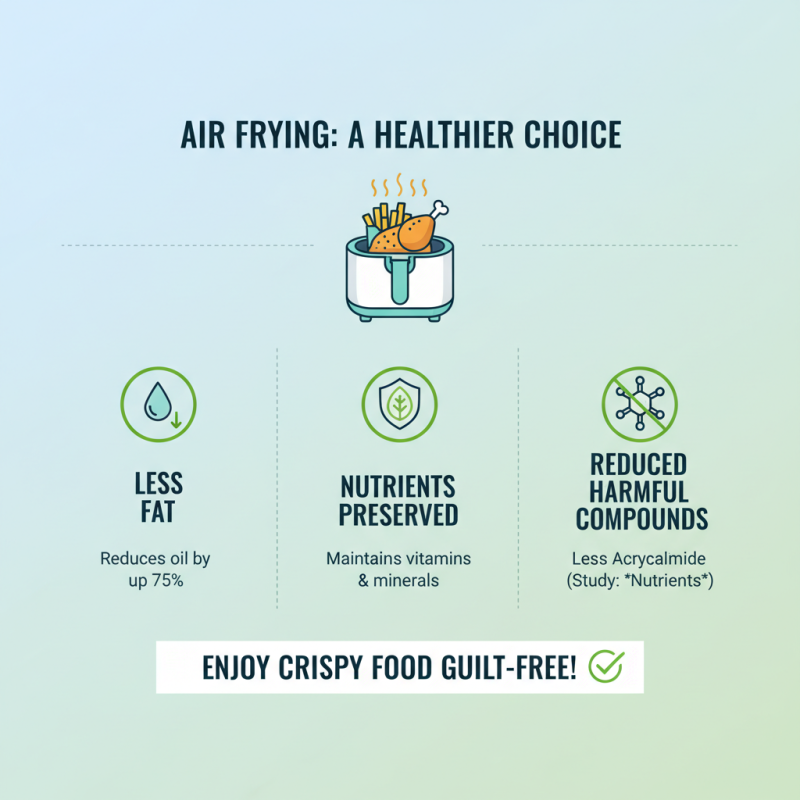
Air frying is becoming increasingly popular as a healthier alternative to traditional deep frying. Research from the American Heart Association indicates that air frying can significantly reduce the amount of oil needed for cooking, leading to a substantial decrease in fat and calorie intake. Studies have shown that air-fried foods typically contain about 70-80% less fat than their deep-fried counterparts, making them a more heart-healthy option without sacrificing taste.
One of the key health benefits of air frying is the reduction of harmful compounds often formed during traditional frying processes. According to a report from the Journal of Food Science, air frying can lower the levels of acrylamide, a chemical linked to cancer, by up to 90%. By using hot air circulation rather than submerging foods in oil, air fryers not only create crispy textures but do so while preserving better nutritional value in the ingredients.
Tip: To make the most of your air fryer, consider pairing vegetables with lean proteins for a balanced meal. Season them with herbs and spices instead of excessive salt to enhance flavor while keeping sodium levels in check. For optimal results, always preheat your air fryer to ensure even cooking, and avoid overcrowding the basket to achieve that coveted crispiness.
Health Benefits of Air Frying vs. Traditional Deep Frying
Comparative Analysis: Air Fryer Models and Their Performance Metrics
When evaluating air fryer models, one of the most critical aspects to consider is their performance metrics, which include factors such as cooking time, energy efficiency, and temperature accuracy. A comparative analysis reveals that while many models boast rapid cooking capabilities, the actual performance can vary significantly. Some air fryers achieve the desired crispiness in record time, while others may require extended cooking durations, negating one of the primary advantages of air frying. Additionally, the consistency with which an air fryer maintains its temperature throughout the cooking process is paramount; fluctuations can lead to unevenly cooked meals, undermining the health benefits associated with air frying.
Another crucial aspect is the capacity of the air fryer, which directly impacts its usability for families or individuals who cook in larger batches. Models with greater capacity tend to perform better in terms of cooking larger portions evenly. However, this often comes at the expense of a larger footprint in the kitchen. Examining user feedback and expert reviews can provide insight into how different models perform under varied cooking conditions, such as the ability to handle diverse food types and textures. By considering all these metrics, consumers can make informed choices tailored to their cooking style and dietary goals.
Selecting the Right Air Fryer Paper for Optimal Cooking Results
When selecting the right air fryer paper, it's crucial to consider factors that optimize cooking results while enhancing the overall health benefits of air frying. According to a report from the American Heart Association, air frying reduces fat content by up to 75% compared to traditional frying methods. This makes the choice of air fryer accessories, such as parchment paper, essential for achieving crispy textures with minimal oil usage. High-quality air fryer paper not only prevents food from sticking but also enables even heat distribution, which is vital for cooking proteins and vegetables to perfection.
Furthermore, specific attributes of air fryer paper can significantly influence the cooking process. The temperature resistance of the paper is fundamental; robust paper can withstand cooking temperatures up to 450°F, ensuring that it doesn't release harmful chemicals or break down during use. Additionally, recent studies published in the Journal of Food Science indicate that the use of perforated air fryer paper actually promotes better airflow within the fryer, leading to quicker cooking times and improved flavor retention. By understanding these specifications, home cooks can make informed decisions that enhance their cooking outcomes while aligning with healthier eating practices.
Top 2025 Air Fryer Paper: The Ultimate Guide to Healthier Cooking
| Paper Type |
Material |
Heat Resistance |
Non-Stick Properties |
Ideal Cooking Temperature |
| Parchment Paper |
Wood Pulp |
420°F (216°C) |
Excellent |
Best for Baking |
| Silicone Baking Mat |
Silicone |
428°F (220°C) |
Very Good |
Reusability |
| Aluminum Foil |
Aluminum |
450°F (232°C) |
Good |
Versatile Use |
| Air Fryer Liners |
Paper with Non-Stick Coating |
450°F (232°C) |
Excellent |
Easy Cleaning |
| Baking Paper |
Pulp |
400°F (204°C) |
Good |
Great for Roasting |
Tips for Maximizing Nutrient Preservation in Air Fried Foods
Air frying is increasingly recognized as a healthier alternative to traditional frying methods, effectively reducing fat content while preserving essential nutrients in foods. According to a study published in the journal *Nutrients*, air frying can reduce the formation of harmful compounds that occur during deep frying, such as acrylamide, a chemical linked to cancer risk. With this cooking technique, users can enjoy crispy textures without the excess oil, making it an excellent option for health-conscious individuals.
To maximize nutrient preservation in air-fried foods, consider selecting fresh, whole ingredients rich in vitamins and minerals. Cooking at the correct temperature and duration is also crucial; overheating can lead to nutrient losses. For example, vitamins like B and C are particularly sensitive to heat, so monitoring cooking time is paramount. Keeping the food in smaller pieces or uniformly cutting them can promote even cooking and nutrient retention, as it allows for more efficient exposure to hot air circulation.
Tip: Pre-soaking vegetables like potatoes or sweet potatoes before air frying can help reduce cooking time and enhance nutrient retention. Additionally, avoid overcrowding the fryer basket, as it can impede proper air circulation, leading to uneven cooking and potential nutrient loss. By implementing these strategies, you can ensure that your air-fried meals are both delicious and packed with essential nutrients.







 Jimmy
Jimmy Eric
Eric