2026 Top Coffee Filter Paper Types You Need to Know?
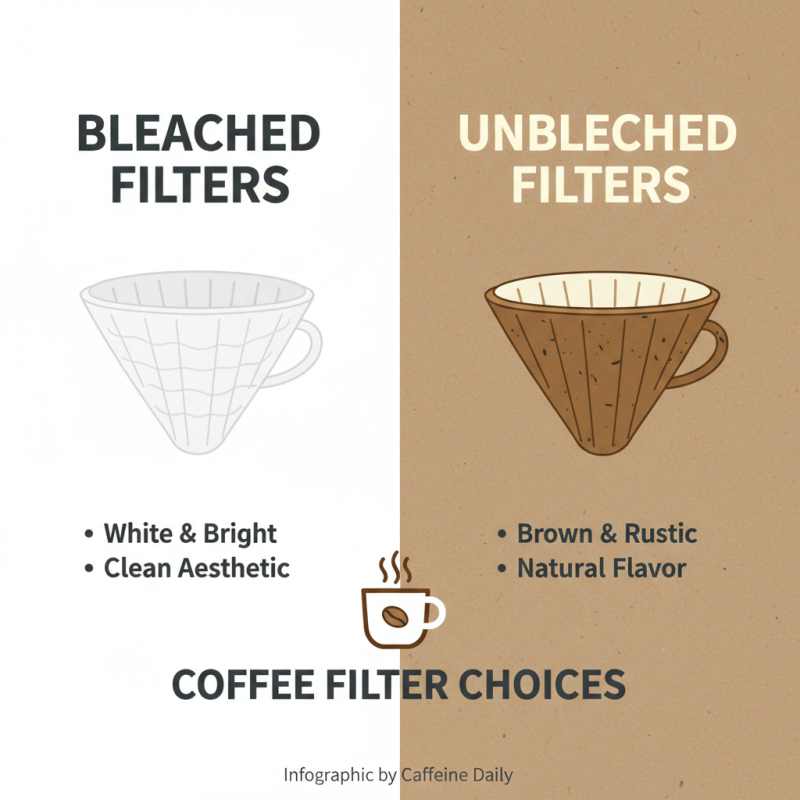
In the world of brewing, the choice of Coffee Filter Paper can significantly impact flavor. A recent industry report highlighted that the global coffee filter market is projected to reach $5 billion by 2026, emphasizing its importance. Different types of filter papers, such as bleached and unbleached, have distinct characteristics. For instance, bleached filters can offer a cleaner taste, while unbleached options provide a more robust flavor profile.
Understanding these differences is crucial. Not all filter papers are created equal, and some may introduce unwanted flavors. Research indicates that the paper type can absorb oils and affect acidity levels. Each coffee lover should reflect on their brewing preferences and the corresponding filter types. Are you overlooking the impact of your Coffee Filter Paper choice? Consider how this small detail can elevate your coffee experience.
In examining these options, one should question whether convenience outweighs quality. While some may prioritize swift brewing, others might seek the ideal cup. This article will explore the top Coffee Filter Paper types available in 2026, ensuring that you are well-informed for your next coffee adventure.
Types of Coffee Filter Papers: A Comprehensive Overview
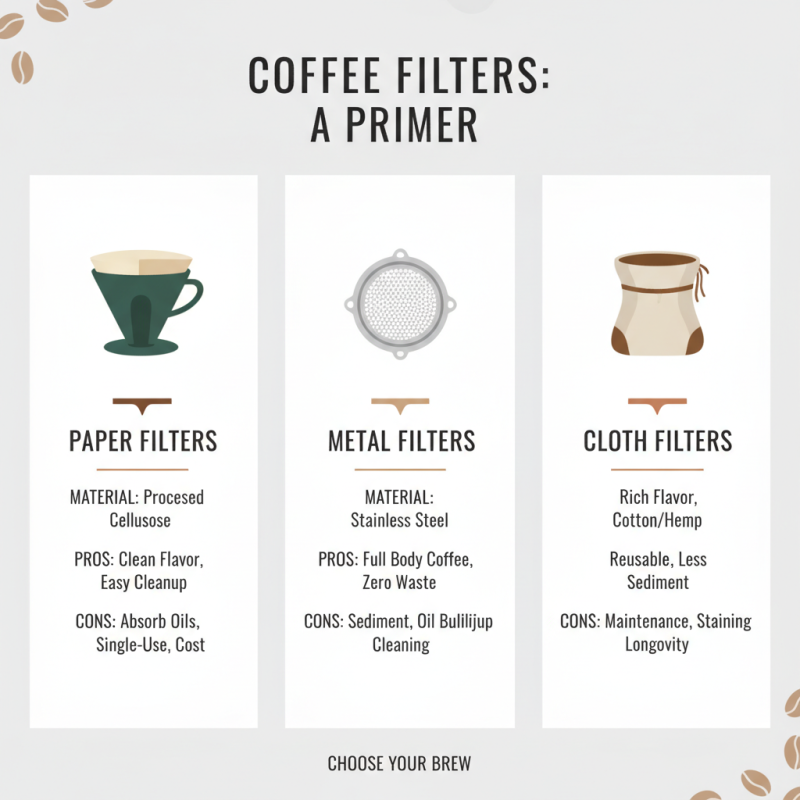
Understanding the various types of coffee filter papers is essential for any coffee enthusiast. Different materials and designs affect brewing flavors and efficiency. The three primary categories are paper, metal, and cloth filters.
Paper filters are the most common. They are usually made from bleached or unbleached pulp. Data suggests that around 70% of coffee drinkers prefer paper filters. These filters trap fine coffee particles, leading to a smoother cup. However, they may alter taste by absorbing oils.
Metal filters are reusable and eco-friendly. They allow more oils and coffee fines into the brew. This results in a fuller-bodied flavor. While they can be more durable, cleaning them properly is essential to avoid bitter tastes. Meanwhile, cloth filters offer a balance, providing a clean flavor while allowing some oils.
Tips: When choosing a filter, consider your brewing method. Each filter type interacts differently with various brewing styles. It's worth experimenting to find your ideal combination. Keep an open mind about the taste variations. A slight change in filter type can lead to a different coffee experience.
The Importance of Choosing the Right Coffee Filter Paper
Choosing the right coffee filter paper is crucial for brewing quality coffee. According to recent industry reports, the type of filter used can influence not only flavor but also body and acidity. The wrong filter can lead to an undesirable brew. For instance, a study indicated that paper filters can absorb oils, resulting in a cleaner cup but potentially losing some natural flavors.
Different materials, like bleached versus unbleached filters, can also impact taste. While bleached filters present a cleaner aesthetic, some experts argue that they may impart a slight chemical taste. A survey found that 45% of coffee enthusiasts preferred unbleached filters for a more authentic experience. However, consistency in filter choice is often overlooked by casual drinkers.
In an era focused on sustainability, using biodegradable filters is gaining traction. Yet, some consumers express skepticism about the efficacy of these options. An analysis showed that biodegradable filters performed differently during brewing. Users might not realize these subtleties until they experience them firsthand. Understanding these dynamics is essential for anyone aiming for the best coffee experience.
How Coffee Filter Types Affect Brewing Flavor and Quality
Coffee filters come in various types, each influencing the flavor and quality of your brew significantly.
Paper filters are popular for their fine texture. They capture oils and solids, resulting in a cleaner cup.
But this can also remove some of the coffee’s unique flavors. If you prefer a bold taste, this might not be ideal.
Metal filters are a different story. They allow oils to pass through, adding richness to the brew.
However, they can lead to a sludgy texture. If you enjoy the complexity of flavors, this might be worth considering.
Yet, cleaning a metal filter can be a hassle. The balance between ease and flavor can be challenging.
Lastly, cloth filters offer a middle ground. They catch grounds while letting some oils seep through.
This results in a well-rounded cup. But they require maintenance and can develop odors over time.
Finding the right filter often involves trial and error.
Each type presents potential benefits and drawbacks. It’s all about personal preference and the experience you seek in your coffee journey.
Trends in Coffee Filter Paper Technology for 2026
As we look ahead to 2026, coffee filter paper technology is evolving rapidly. New materials are being tested, aiming to enhance flavor extraction. Innovative designs promise better flow and minimal clogging. These changes could significantly impact the brewing process.
Sustainability is a major focus. Many are developing biodegradable options to reduce waste. While these solutions are promising, challenges remain. How do we balance performance and eco-friendliness? Consumers are looking for durability without sacrificing their environmental values. This is not an easy path.
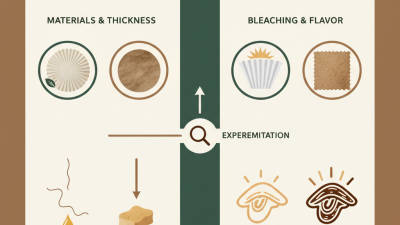
The thickness and texture of filter papers are also in the spotlight. Experimentation continues with various porosities. Different brewing methods might benefit from these advancements. However, not every filter suits every brew style. Users may need to experiment to find the perfect match. Overall, 2026 brings exciting possibilities, but questions linger about practicality and effectiveness in everyday use.
2026 Coffee Filter Paper Types Analysis
This chart illustrates the popularity and usage trends of various coffee filter paper types in 2026. It shows a comparison of natural, bleached, and reusable filter paper types based on consumer preferences.



 Jimmy
Jimmy Eric
Eric