2026 Top Deli Wax Paper Sheet Benefits and Uses Explained
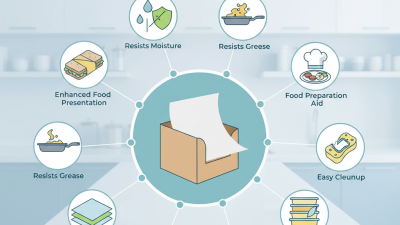
The Deli Wax Paper Sheet plays a crucial role in the food service industry. Recent studies show that the global food packaging market is expected to reach $1 trillion by 2026. Among these packaging materials, deli wax paper sheets are increasingly favored for their versatility and benefits. They offer excellent moisture resistance and grease protection, which are vital for deli products.
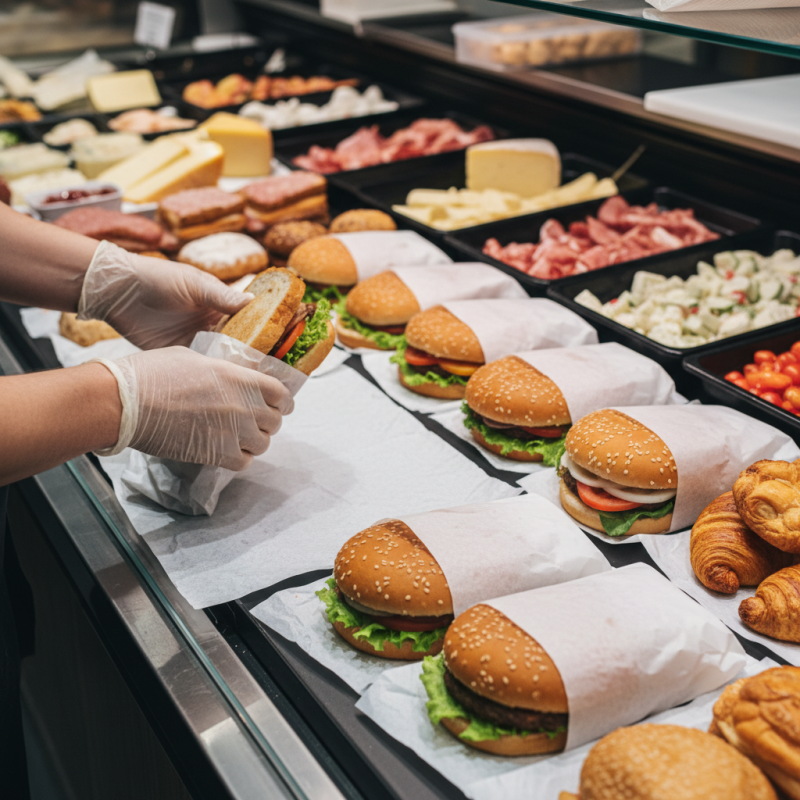
Demand for deli products continues to rise. Reports indicate a 5% increase in deli sales in recent years. Deli wax paper sheets enhance food presentation and maintain freshness. They are useful when wrapping sandwiches, burgers, and pastries. Their ability to keep food secure while appealing to customers cannot be overlooked.
However, it’s essential to acknowledge that not all deli wax paper sheets meet high industry standards. Some may not be eco-friendly or reliable in quality. Consumers need to discern between options carefully. This landscape highlights the need for better awareness and selection of deli wax paper sheets in the food industry.
Benefits of Using Deli Wax Paper Sheets in Food Industry
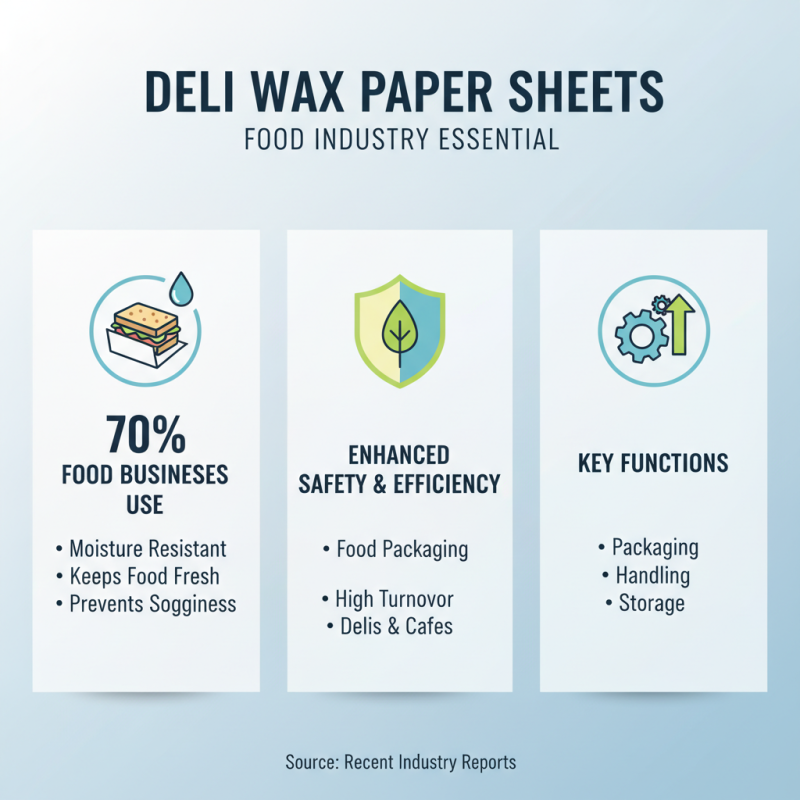
Deli wax paper sheets play a crucial role in the food industry, serving various functions that enhance efficiency and safety. According to recent industry reports, approximately 70% of food businesses utilize wax paper for food packaging. This is due to its excellent moisture resistance. It keeps sandwiches and other food items fresh, preventing sogginess. This is especially important in delis and cafes where food turnover is high.
Moreover, deli wax paper sheets are reusable and recyclable, aligning with the growing trend in eco-friendly packaging. A study by the Food Packaging Forum revealed that about 55% of consumers prefer sustainable packaging options. By using wax paper, businesses can reduce waste and meet customer expectations. However, some issues arise with durability, as wax paper may not be suitable for all food types. It can struggle with hot or oily foods, leading to potential leaks.
Incorporating this material can significantly lower costs, but quality matters. Investing in higher-grade wax paper is essential to avoid mishaps. In a fast-paced industry, these details can often be overlooked. Yet, they are vital to maintaining a reputable food business and ensuring customer satisfaction.
Common Applications of Deli Wax Paper Sheets in Restaurants
Deli wax paper sheets are commonly used in the restaurant industry. They offer a range of benefits that enhance food presentation. Many chefs appreciate their ability to keep food fresh. The wax coating creates a barrier against moisture and grease, preserving the food’s quality for longer periods.
In fast-paced kitchens, efficiency is key. Deli wax paper makes it easy to wrap sandwiches, burgers, and fries. This speeds up the serving process. Customers enjoy their meals served neatly, which adds to their overall experience. Using these sheets also helps reduce clean-up time. Less mess means more focus on cooking.
However, there are challenges. Over time, some may find that the sheets can tear easily. This can lead to spills or leaks if not handled carefully. Restaurants should regularly review their supply for quality. Thoughtful use of wax paper can significantly enhance operations while maintaining food safety. Keeping these details in mind is essential for a successful dining service.
2026 Top Deli Wax Paper Sheet Applications in Restaurants
This bar chart illustrates the common applications of deli wax paper sheets in restaurants, highlighting the percentage of usage frequency across different applications. Sandwich wrapping is the most common use, followed by grease resistance, food handling, baking sheets, and meal prep.
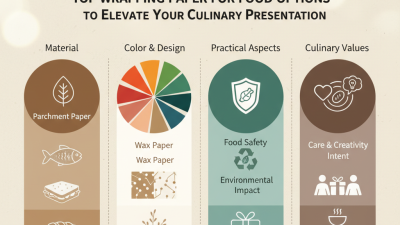
Comparison of Deli Wax Paper Sheets and Other Food Wrapping Options
When it comes to food wrapping options,
deli wax paper sheets stand out.
They provide a reliable barrier against moisture and grease. Unlike plastic wraps,
wax paper is breathable. This allows food to stay fresh longer while preventing sogginess.
They are exceptionally useful for sandwiches, cheese, or baked goods.
Comparing deli wax paper to aluminum foil reveals notable differences.
Foil is excellent for heat retention but lacks breathability. Conversely,
deli wax paper retains moisture without trapping heat.
It's also biodegradable, giving it an edge over single-use plastic.
Many users may overlook these benefits in favor of convenience.
However, not all wax papers are created equal. Some sheets may tear easily, leading to spills.
Finding a reliable thickness is key. Users often find themselves frustrated when choosing the right product.
Reflecting on that challenge is essential for improvement.
When selected thoughtfully, deli wax paper can enhance packaging and presentation significantly.
Environmental Impact of Deli Wax Paper Sheets and Sustainability Practices
Deli wax paper sheets are widely used in food service and packaging. However, their environmental impact is significant. Traditional wax paper often contains paraffin wax, a petroleum-based product. This makes the sheets less biodegradable and more harmful to the environment. Many consumers are unaware of these implications.
Sustainability practices are becoming essential. Some companies turn to natural alternatives. Beeswax and plant-based wax are better choices. These options are more biodegradable and environmentally friendly. However, they are not as widely used yet. Awareness is growing, but we must do more.
Tip: Always look for eco-friendly options when buying deli paper. Small changes can lead to big impacts. Another tip is to reduce waste by reusing sheets when possible. Being mindful can help the planet. Remember, not all deli wax paper is created equal. Choose wisely.
Best Practices for Storing and Handling Deli Wax Paper Sheets
Storing and handling deli wax paper sheets requires careful attention. First, keep the sheets in a cool, dry location. Humidity can damage their quality. Store them flat, avoiding any creases or folds. If they become damaged, they might not perform as expected.
When using these wax paper sheets, cleanliness is crucial. Make sure hands and surfaces are clean before touching the sheets. This reduces the risk of contamination. If sheets are stacked, ensure they don't stick together. This can make them difficult to separate and use.
Over time, keep an eye on the shelf life. If the sheets appear discolored or lose their waxy finish, it’s time to replace them. Always reflect on your storage practices. Are you keeping them in optimal conditions? Regular checks can save you from headaches later on.
2026 Top Deli Wax Paper Sheet Benefits and Uses Explained - Best Practices for Storing and Handling Deli Wax Paper Sheets
| Benefit/Use |
Description |
Best Practices |
| Grease Resistance |
Prevents oil and moisture from soaking through, ensuring food remains intact and fresh. |
Store in a cool, dry place to maintain quality. |
| Versatility |
Can be used for wrapping sandwiches, burgers, and other deli items. |
Use appropriate sizes for different food items to reduce waste. |
| Ease of Use |
Tear easily for quick wrapping, making it ideal for busy delis. |
Keep sheets handy and organized for quick access. |
| Food Safety |
Made from food-safe materials, ensuring no harmful chemicals leach into food. |
Check for certifications or quality marks before use. |
| Cost-Effectiveness |
Inexpensive option for deli packaging, helping to reduce overall costs. |
Buy in bulk for better pricing and savings. |



 Jimmy
Jimmy Eric
Eric