2026 Top Wrapping Paper For Food Trends Buyers Need to Know?
As we approach 2026, the food packaging industry is undergoing significant changes. Consumers are becoming more conscious of sustainability and aesthetics in their choices. This shift is evident in the emerging trends of wrapping paper for food. Businesses must stay informed to meet these evolving demands effectively.
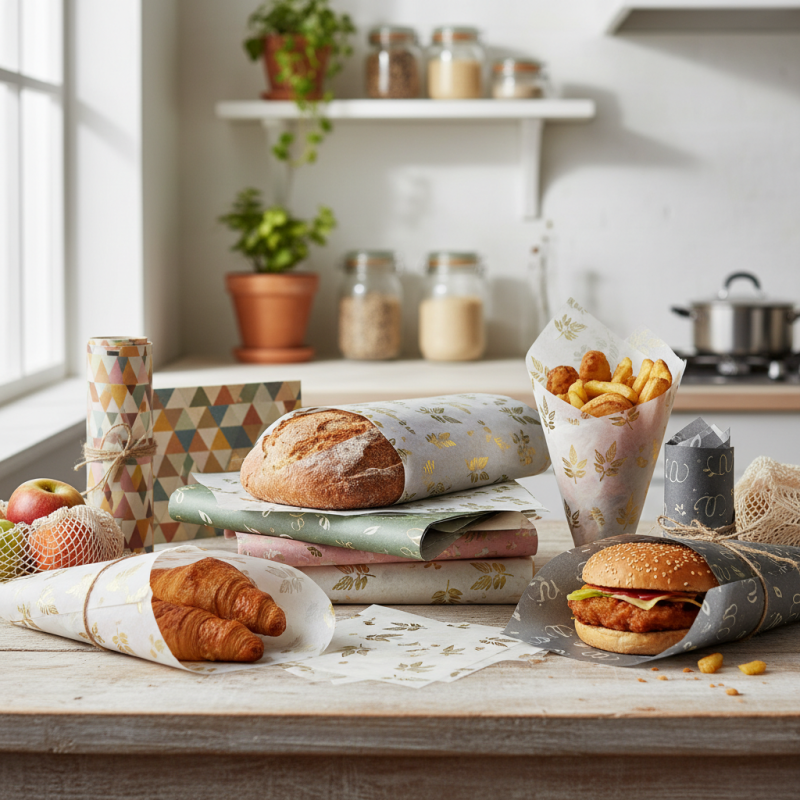
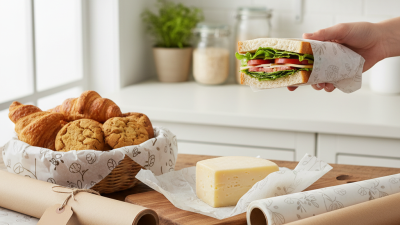
Wrapping paper for food is now more than just a functional item. It serves a dual purpose—enhancing presentation while ensuring safety and quality. Biodegradable options are gaining popularity, reflecting a broader commitment to environmental responsibility. Innovative designs appeal to younger consumers, creating a vibrant visual identity. However, the marketplace is crowded, and not all products meet regulatory standards.
Many brands face challenges balancing creativity with safety. This highlights the importance of selecting the right materials and designs. Consumers must be educated on these aspects. It's essential to scrutinize claims made by manufacturers. This can ensure both safety and an enjoyable unboxing experience. The future of wrapping paper for food is bright, but it requires careful navigation of trends and standards.
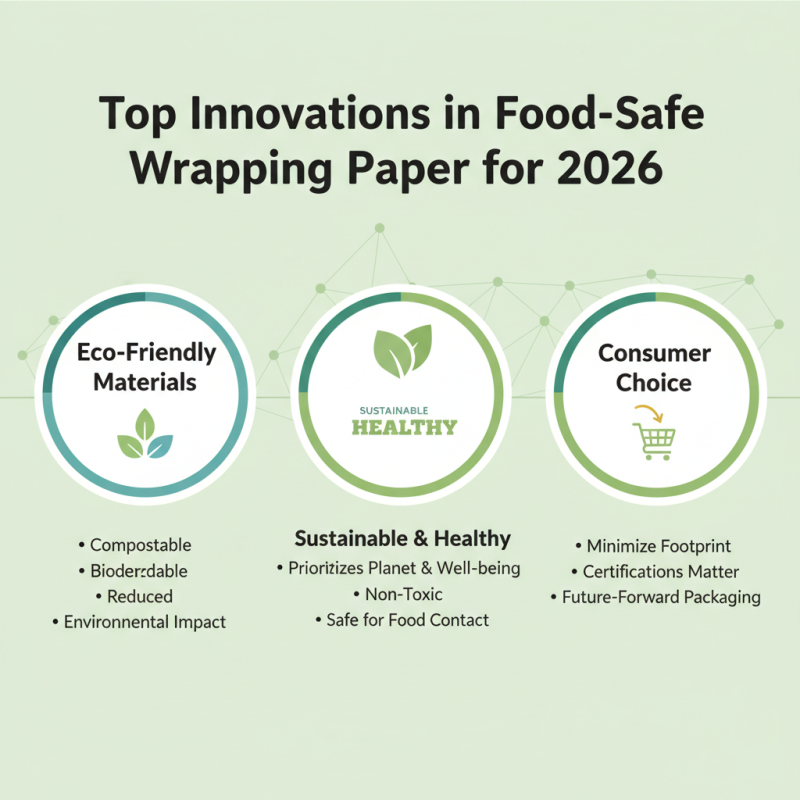
Top Innovations in Food-Safe Wrapping Paper for 2026
In 2026, food-safe wrapping paper is evolving with exciting innovations. The new trends focus on sustainability and health. Eco-friendly materials are now a priority. These papers often feature compostable or biodegradable attributes. It's important for consumers to choose options that minimize environmental impact.
When selecting wrapping paper, consider the safety of the materials. Look for papers that are free from harmful chemicals. Lightweight designs are also gaining popularity. They make wrapping easier and reduce waste. Choosing bright, vibrant colors can make food packages visually appealing, while maintaining functionality.
Tips: Always check for certifications that indicate food safety. Neutral colors can hide stains better. It's also a good idea to test different papers for durability and strength. Remember that not all papers perform the same when exposed to moisture. Reflect on your previous wrapping experiences to improve future choices.
Sustainable Materials in Food Wrapping Paper Trends
As the food industry evolves, so do consumer expectations for wrapping paper. Sustainable materials are at the forefront of food wrapping trends. According to industry research, 72% of consumers prefer eco-friendly packaging. This growing preference reflects a shift towards environmental consciousness among buyers.
Recycled paper and plant-based materials are gaining traction. These materials reduce landfill waste and lower carbon footprints. In fact, the global sustainable food packaging market is projected to reach $400 billion by 2026. This indicates a substantial growth opportunity for businesses investing in sustainable options.
When choosing wrapping paper, consider these tips: Look for certifications like FSC (Forest Stewardship Council) for sustainability. You can also explore compostable alternatives that break down naturally. If you seek a zero-waste approach, avoid plastic-based options altogether. Continuous reflection on material choices is important as consumer demand for sustainability increases. Embracing these trends positions brands favorably in a competitive market.
2026 Top Sustainable Materials in Food Wrapping Paper Trends
Design and Aesthetic Trends in Food Wrapping Paper
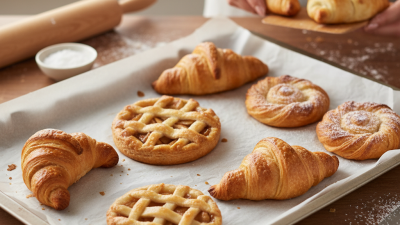
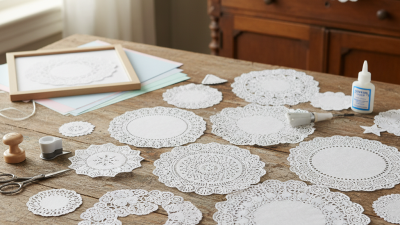
In 2026, food packaging trends highlight the importance of design and aesthetics. People care about how their food looks and feels. Trends show a rise in eco-friendly materials that combine beauty with sustainability. For instance, biodegradable wrapping paper can come in vibrant patterns that appeal to consumers' preferences. These materials can reflect seasonal themes, bringing life to food presentations.
Color schemes are also evolving. Soft pastels and earthy tones are gaining popularity. They create a calming effect, making the dining experience more enjoyable. Additionally, holographic and metallic finishes are becoming more common. These eye-catching designs bring a modern touch to food packaging, making it stand out.
However, the shift towards aesthetic trends has challenges. Some designs may not be functional, impacting the protection of the food. It's essential to find a balance between beauty and practicality. Consumers want packaging that looks great but also keeps their food fresh. Attention to detail and material selection is crucial. Ultimately, packaging should enhance not just the aesthetics but also the overall experience.
Functionality Enhancements in Food Wrapping Solutions
The food packaging industry is evolving rapidly, driven by consumer needs for sustainable and functional solutions. According to a recent report, the global food wrapping market is projected to reach $30 billion by 2026, with increasing demand for innovative wrapping paper. Functionality enhancements are becoming essential for food wraps used to maintain freshness and prevent contamination.
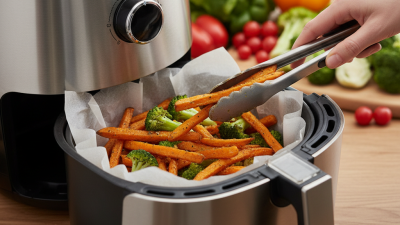
The new designs emphasize breathability, moisture resistance, and temperature regulation. These features improve the overall user experience, allowing customers to store food longer without spoilage. For instance, wraps made from biodegradable materials not only preserve food but also reduce environmental impact. Research shows that 65% of consumers prefer eco-friendly packaging solutions, influencing manufacturers to prioritize sustainable options.
Tips: Consider the type of food you need to wrap. Not all materials work for every food item. Remember that the color and texture of the wrapping can also affect freshness. Additionally, explore innovative multi-layered options. These can enhance durability while ensuring that your food remains safe and appetizing. Always check the packaging certifications for safety and quality.
Consumer Preferences and Market Demand for Food Wrapping Paper
Consumer preferences for food wrapping paper are evolving rapidly. More buyers seek sustainable options. Biodegradable and compostable materials are gaining popularity. These materials align with the growing awareness of environmental impact. Shoppers now favor products that reduce waste. They are asking more questions about sourcing and production methods.
The market demand reflects these trends. Various materials are being explored. Plant-based wrappers, for instance, are becoming commonplace. Innovations are emerging in food-safe coatings. They offer protection while maintaining eco-friendliness. However, there are challenges in balancing durability with sustainability. Some consumers still worry about the cost associated with these green options.
Color and design also influence purchasing decisions. Buyers are looking for visually appealing packaging. Attractive designs can elevate the food presentation. Yet, many feel pressured to choose aesthetics over sustainability. There is still much to learn about consumer habits. Understanding these nuances can help producers adapt effectively.



 Jimmy
Jimmy Eric
Eric