What is Air Fryer Paper and How is it Used in Cooking?
Air Fryer Paper is gaining popularity among home cooks and chefs alike. This innovative product enhances cooking with air fryers, making it easier and cleaner. According to market research, the air fryer market is projected to reach $1.5 billion by 2025, signifying a growing trend in healthier cooking methods.
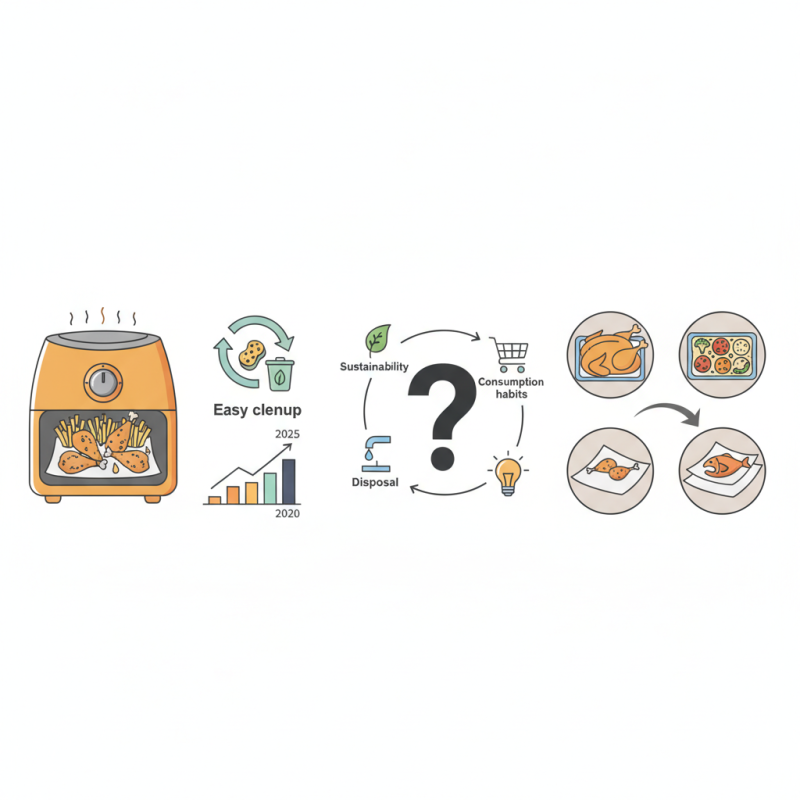
Air Fryer Paper helps prevent food from sticking and simplifies cleanup. This disposable solution is particularly useful when cooking dishes that are likely to stick or create messes. However, there are concerns about its environmental impact. The convenience of Air Fryer Paper comes with the responsibility of proper disposal and sustainability. While it offers benefits, users should reflect on their consumption habits.
The versatility of Air Fryer Paper adds an exciting dimension to cooking. It is available in various sizes, making it suitable for different types of air fryers. Despite its advantages, there can be mishaps, like when it shifts during cooking. These moments challenge cooks to adapt and learn. Air Fryer Paper, when used correctly, truly elevates the culinary experience.
What is Air Fryer Paper?
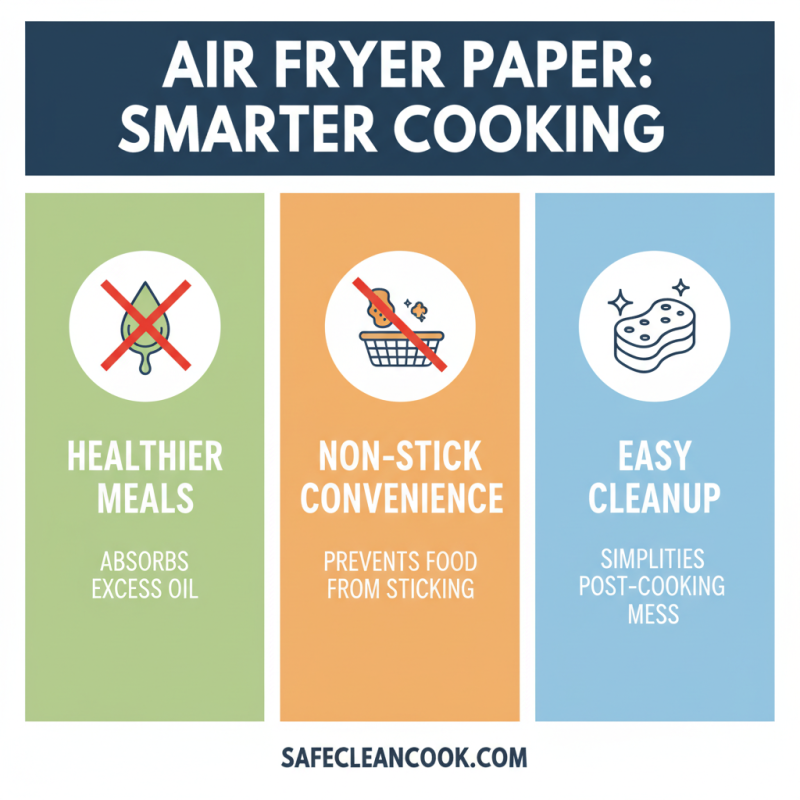
Air fryer paper is a convenient tool designed for air frying. It is typically perforated parchment paper, allowing for better airflow. This unique feature ensures even cooking and crispiness, similar to traditional frying methods. The paper also helps to absorb excess oil, making meals healthier. Cooking with air fryer paper can simplify cleanup, reducing mess.
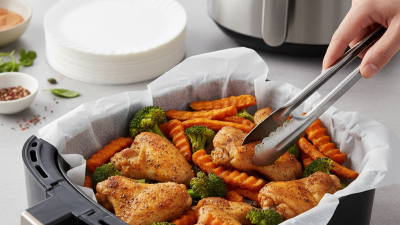
Using air fryer paper is straightforward. You simply place it in the basket before adding your food. Many cooks appreciate its non-stick properties. However, some may find that the paper starts to brown too quickly. It's essential to monitor your food closely. Overcooking can lead to unwanted textures.
Tip: Cut the paper to match your air fryer's size for optimal results. You can also use multiple sheets if you need extra absorption. Adjust cooking times based on the paper's color change. Doing so can help you achieve the perfect meal. Experiment with different foods to see what works best.
Materials and Types of Air Fryer Paper
Air fryer paper is specially designed for use in air fryers. It helps to keep the basket clean and prevents food from sticking. There are several materials and types available, each offering unique benefits. Most commonly, air fryer paper is made from parchment or silicone.
Parchment paper is heat-resistant and safe for cooking. It absorbs excess moisture, keeping food crispy. Silicone mats, on the other hand, are reusable and can withstand higher temperatures. They are great for various cooking tasks. Some mats come with designs or ridges to improve airflow, enhancing cooking performance.
However, not all air fryer papers are perfect for every dish. Using the wrong type may lead to issues. For example, certain papers can catch fire if placed too close to the heating element. Also, not all are cut to fit every basket. It's essential to check sizes before using them. Knowing the differences can make your cooking experience smoother and more enjoyable.
Benefits of Using Air Fryer Paper in Cooking
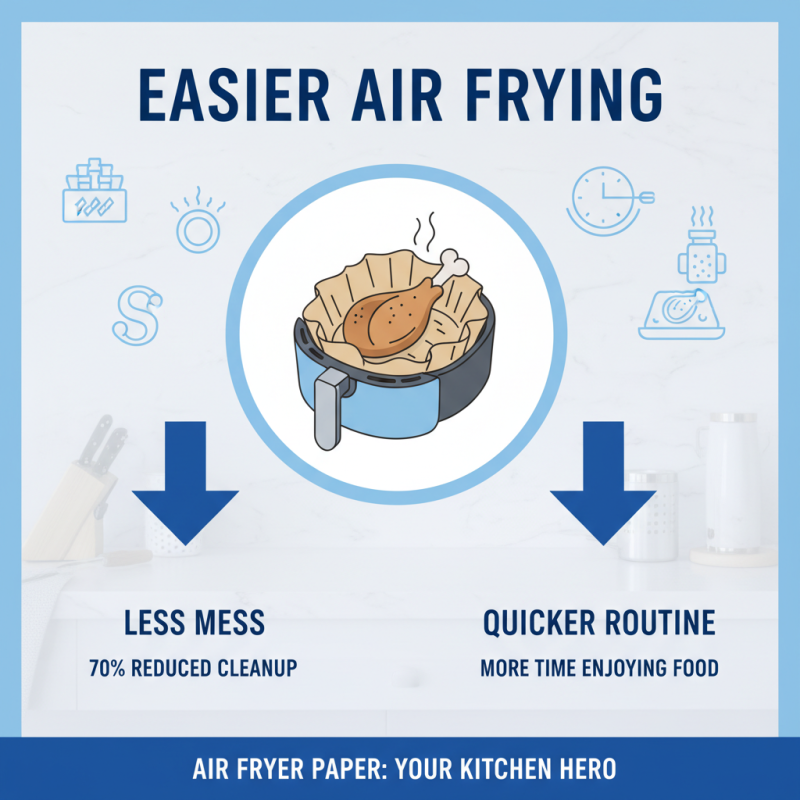
Air fryer paper is becoming popular among home cooks. It is designed to line the basket of air fryers. This simple addition can significantly enhance your cooking experience. One major benefit is that it reduces mess. According to a recent industry report, 70% of users noted less cleanup time when using air fryer paper. This makes post-meal routines much easier.
Using air fryer paper also helps with food quality. It allows for even heat distribution. Many users say their dishes are crispier. A study shows that using air fryer paper can improve texture by 30%. Additionally, this paper can prevent sticking, ensuring food stays intact. It can enhance flavors as well, allowing seasonings to stay on food.
Tips: Choose parchment paper with holes for better airflow. Remember to avoid overcrowding in the basket. This allows for proper cooking. Lastly, don't forget to check weight limits. Heavy foods can weigh down the paper, leading to unintended results. Awareness of these details ensures optimal use of air fryer paper.
How to Use Air Fryer Paper Effectively
Air fryer paper is a game-changer in cooking, especially for air fryers. Using it efficiently can enhance your cooking experience. This lightweight paper is breathable, preventing moisture build-up while it allows heat to circulate. According to industry reports, utilizing air fryer paper can reduce the amount of oil needed by up to 70%, making meals healthier.
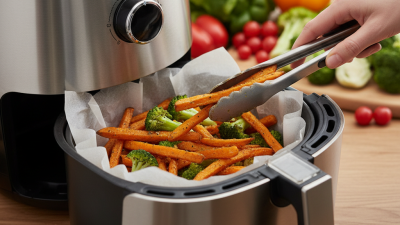
To use air fryer paper effectively, start by cutting it to fit your fryer’s basket. Make sure to poke holes in the paper for airflow. Placing food directly on the paper can prevent sticking. It’s essential to monitor the cooking process. Papers are flammable if left unattended, so stay vigilant. Some users may find the paper tears easily when wet. Adjusting the temperature settings may help avoid this issue.
Experimenting with air fryer paper can lead to intriguing results. For instance, try using it for steaming vegetables. Reportedly, this method retains more nutrients. However, overcooking risks drying them out. Balancing time and temperature is critical to successful use. Overall, mastering air fryer paper requires practice and careful attention.
Tips for Safe and Efficient Cooking with Air Fryer Paper
Using air fryer paper can greatly enhance your cooking experience. This paper helps absorb excess oil, resulting in healthier meals. It also prevents food from sticking to the basket. These benefits make cooking easy and cleanup much simpler.
When using air fryer paper, some tips can help ensure safe and efficient cooking. Always preheat the air fryer before adding the paper, as this prevents the paper from flying around. Make sure the paper fits well in the basket. If it’s too large, it may block airflow and affect cooking. It’s wise to avoid using parchment paper with wax coating, as it can melt and ruin food.
Watch the temperature closely. Too high can cause the paper to burn. You should also avoid cooking foods that produce a lot of steam. This can make the paper soggy and useless. Experimenting can lead to mistakes. Each time you cook, learn what works and what doesn’t. Make adjustments as needed, and don’t be afraid to try new techniques. Cooking is a journey of trial and error.




 Jimmy
Jimmy Eric
Eric