Why Use Wax Paper for Food Wrapping? Benefits and Tips Explained!
The use of Wax Paper for Food Wrapping has gained considerable attention in recent years as consumers become increasingly aware of their environmental impact and the benefits of sustainable packaging options. According to a report by Smithers Pira, the global market for flexible packaging is expected to grow significantly, with sustainable materials like wax paper standing out due to their biodegradable properties and ability to preserve food freshness. Wax paper, made from paper treated with a thin layer of wax, not only provides an effective barrier to moisture and grease, but it also enables foods to breathe, reducing the risk of spoilage and extending shelf life.
Additionally, using Wax Paper for Food Wrapping aligns with the rising trend of reducing plastic waste, as highlighted by the Ellen MacArthur Foundation, which emphasizes the importance of transitioning towards circular economy practices. With nearly 300 million tons of plastic produced annually, alternatives such as wax paper are essential in tackling this pressing issue. This eco-friendly option not only satisfies consumer demands for greener products but also adheres to industry standards aimed at minimizing environmental footprints. As more individuals and businesses adopt sustainable packaging solutions, understanding the benefits and practical tips for using wax paper effectively will be invaluable.
Benefits of Using Wax Paper for Food Wrapping
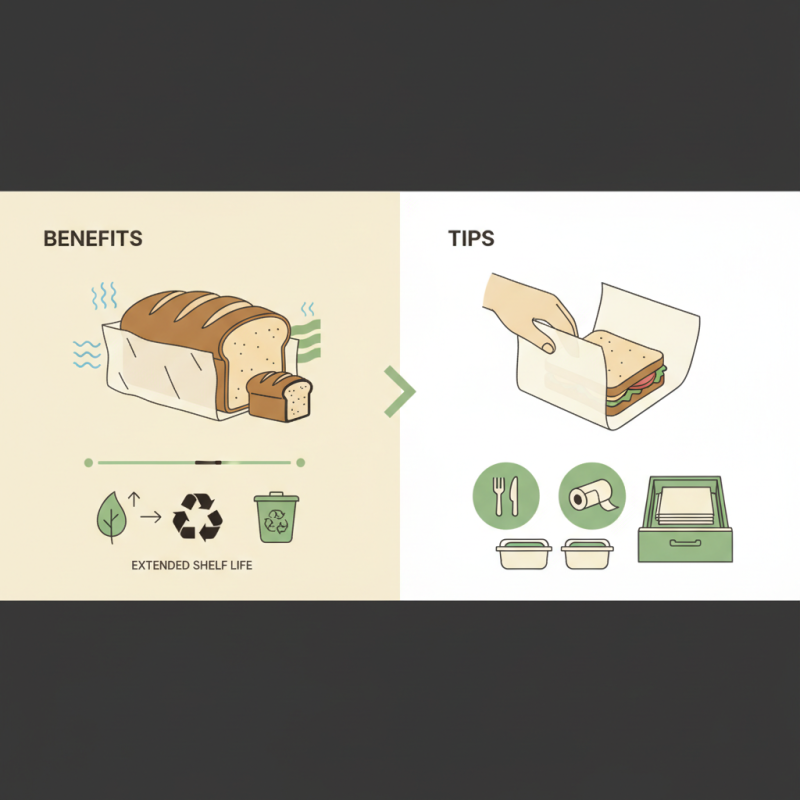
Wax paper is a versatile tool for food wrapping that offers several benefits compared to other materials. One of the primary advantages is its moisture-resistant quality. Wax paper is coated with a thin layer of wax, which makes it effective at keeping moisture in or out, helping to preserve the freshness of wrapped foods.
This feature is particularly useful for items like cheese, fruits, or baked goods, as it prevents them from drying out while also allowing them to breathe, which is essential for items that could become soggy if sealed too tightly.
Another significant benefit of using wax paper for food wrapping is its ability to provide a non-stick surface. This makes it ideal for wrapping sticky items such as caramel candies or homemade snacks that might otherwise adhere to plastic wrap or foil.
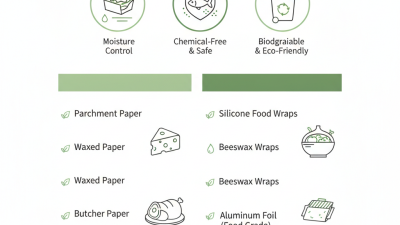
Wax paper is also eco-friendlier than many alternatives, as it is biodegradable and can be recycled in some areas. This makes it a sustainable choice for those looking to reduce their environmental footprint while still effectively managing food storage and presentation. With its combination of moisture resistance, non-stick properties, and eco-friendliness, wax paper is a practical option for everyday food wrapping needs.
How Wax Paper Protects Food from Moisture and Contamination
Wax paper is an effective solution for food wrapping, primarily due to its protective qualities against moisture and contamination. It features a thin layer of wax on both sides, creating a moisture barrier that helps keep foods like sandwiches, cheese, and baked goods fresh.
According to a report from the Food Packaging Forum, using wax paper can extend the shelf life of certain foods by as much as 50%, as it limits exposure to both humidity and environmental pollutants. This makes it an excellent choice for storing perishable items.
In terms of contamination prevention, wax paper acts as a defensive layer between the food and any external contaminants, such as dust or airborne bacteria. A study published in the Journal of Food Protection highlights that food packaging can significantly reduce the risk of cross-contamination. By wrapping food in wax paper, consumers can minimize the chances of contact with harmful microorganisms that thrive in unhygienic environments. This is particularly important in home kitchens, where food safety is paramount, and unwarranted contamination can lead to foodborne illnesses. Therefore, utilizing wax paper not only enhances the longevity of various food items but also promotes better hygiene practices in food storage and handling.
Comparing Wax Paper with Other Food Wrapping Materials
When it comes to food wrapping materials, it's essential to compare the different options available to find the one that best suits your needs.
 Wax paper stands out for its unique properties, particularly in comparison to plastic wrap and aluminum foil. Unlike plastic wrap, which clings tightly to surfaces and can be difficult to manage, wax paper offers a more breathable option. This feature makes it particularly suitable for wrapping items like cheese or baked goods, allowing them to retain moisture while preventing them from becoming overly soggy.
Moreover, when juxtaposed with aluminum foil, wax paper provides a more eco-friendly alternative. While aluminum foil serves well for sealing in heat and is excellent for cooking purposes, it is not biodegradable and can contribute to environmental waste. Wax paper, made from renewable resources, can be composted after use.
Additionally, its non-stick properties make it a practical choice for various food items, especially those that are greasy or sticky, making cleanup a breeze.
Ultimately, understanding these differences can guide consumers in making informed choices about how to wrap and store their food effectively.
Tips for Properly Using and Storing Wax Paper
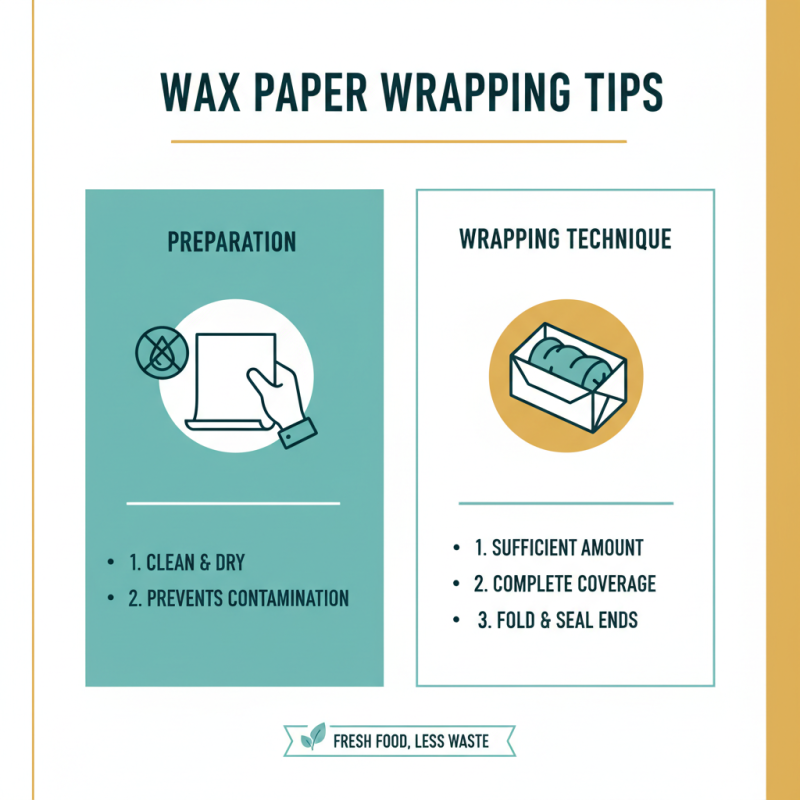
When using wax paper for food wrapping, it’s essential to follow some key tips to ensure optimal results. First, always make sure the wax paper is clean and dry before use. This prevents any contamination of the food, as wax paper is not impermeable. When wrapping food, tear off a sufficient amount of wax paper to cover the item completely, allowing for a foldover at the ends. This sealing technique helps keep the food fresh and reduces the risk of exposure to air.
Proper storage of wax paper is just as important as its use. Keep it in a cool, dry place away from direct sunlight to prolong its lifespan. Avoid storing it in humid areas, as moisture can weaken the wax coating and diminish its protective qualities. If you have multiple sheets, it’s a good idea to keep them in their original packaging or in a dedicated container to prevent them from sticking together. Finally, always check for any tears or damage before use, as compromised sheets may not provide the desired protection for your food items.
Eco-Friendly Aspects of Wax Paper in Food Packaging
Wax paper is an increasingly popular choice for food wrapping, not only due to its practical benefits but also because of its eco-friendly attributes. Made from paper coated with a layer of wax, this wrapping material serves as a biodegradable alternative to plastic films that often contribute to environmental degradation. According to a report by the Environmental Protection Agency (EPA), the average American generates around 4.51 pounds of waste per day, much of which is non-biodegradable. Using wax paper can significantly reduce the reliance on plastic, as it breaks down naturally, minimizing landfill contributions.
Moreover, wax paper is versatile and suitable for various food items. Its moisture-resistant properties help preserve food while allowing it to breathe, which is beneficial for items like sandwiches, fruits, and baked goods. The Food Packaging Forum reports that approximately 20% of all food waste occurs at the packaging stage. By adopting eco-friendly options like wax paper, consumers and businesses can contribute to reducing overall food waste by ensuring better food quality and prolonging freshness without introducing harmful synthetic materials. In this way, choosing wax paper not only promotes greener practices but also supports sustainable consumption in the food industry.
Why Use Wax Paper for Food Wrapping? Benefits and Tips Explained!
| Benefit/Tip |
Description |
| Eco-Friendly |
Made from renewable resources, wax paper is biodegradable and helps reduce environmental impact. |
| Moisture Resistance |
Wax coating provides a barrier against moisture, keeping food fresh longer. |
| Non-Stick Properties |
Ideal for wrapping sticky foods like cheese or baked goods without them sticking. |
| Versatile Use |
Great for wrapping sandwiches, storing leftovers, or crafts and other uses. |
| Cost-Effective |
Generally more affordable than plastic wrap and can be used in various situations. |
| Easy to Use |
Simply cut to size and wrap food; no need for complicated techniques. |



 Jimmy
Jimmy Eric
Eric