What Are the Benefits of Using Greaseproof Paper Bags?
In the food packaging industry, the Greaseproof Paper Bag has gained significant attention. As sustainability becomes more critical, these bags offer eco-friendly solutions. Chef Emma Mitchell, a renowned expert in food packaging, states, "Greaseproof Paper Bags not only protect food but also reduce waste." This insight highlights the dual benefits these bags provide.
Greaseproof Paper Bags excel at keeping food fresh while preventing grease from seeping through. This is particularly important for establishments serving fried or oily items. The innovative design ensures that the integrity of the food is maintained, leading to customer satisfaction. However, businesses must consider their sourcing practices. Not all paper is created equal, and the environmental impact can vary.
While these bags are beneficial, companies must reflect on their overall sustainability strategy. The use of Greaseproof Paper Bags should complement other eco-friendly efforts. It’s a step toward reducing plastic waste but shouldn't be the sole focus. Balancing practicality and environmental responsibility creates a more sustainable future for the food industry.

Understanding Greaseproof Paper Bags and Their Composition
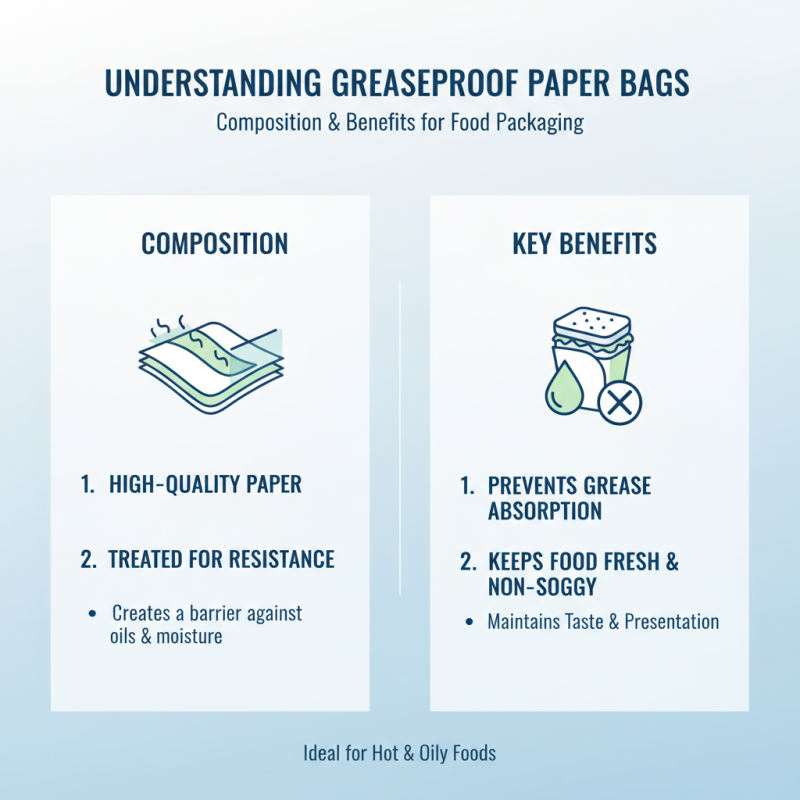
Greaseproof paper bags are essential for food packaging. Their unique composition makes them ideal for hot and oily foods. Made from high-quality paper, they are treated to resist grease and moisture. This treatment creates a barrier, preventing oils from soaking through the material. As a result, food remains fresh and free from sogginess, which is crucial for both taste and presentation.
The production process of greaseproof paper involves multiple steps. First, the paper is pulped and processed. Next, it undergoes treatment with special chemicals. These chemicals ensure that the paper repels fats and oils. Additionally, the bags are lightweight yet durable. This combination allows for easy handling in busy environments. It’s also important to note that not all greaseproof papers are created equal. Some may not provide the same level of grease resistance, leading to potential leaks.
Using greaseproof paper bags offers many advantages. They are often biodegradable, making them an eco-friendly choice. However, awareness of their limits is necessary. While they can handle moderate heat, extreme temperatures can compromise their integrity. Choosing the right type is essential for ensuring the best results in food packaging.
Key Advantages of Using Greaseproof Paper Bags in Food Packaging
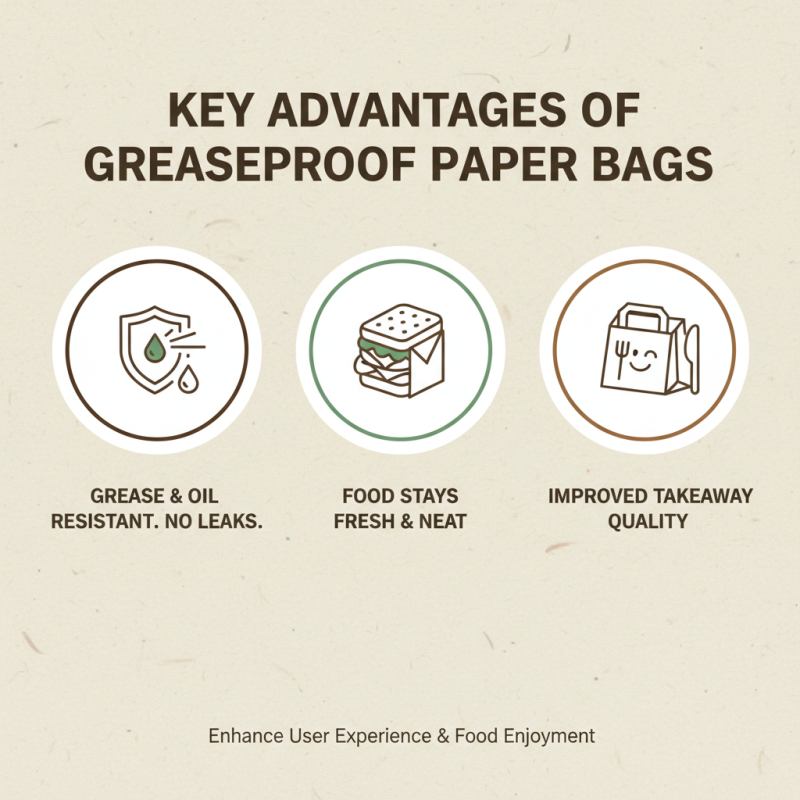
Greaseproof paper bags are increasingly popular in food packaging. They offer several advantages that enhance user experience. These bags effectively prevent grease and oil from penetrating, keeping food fresh and neat. For restaurants, using these bags can maintain the quality of takeaway meals, ensuring customers enjoy their food as intended.
Another key benefit is their eco-friendliness. Many greaseproof paper bags are made from sustainably sourced materials. They are biodegradable and compostable, minimizing environmental impact. This consideration aligns with the growing consumer demand for sustainable practices in food service. Nonetheless, the varying quality of materials can lead to inconsistencies in performance, requiring careful selection.
Moreover, greaseproof paper bags provide effective barrier properties, preserving food flavor and texture. They are suitable for various food types, from sandwiches to baked goods. However, some users might find that they do not provide the same durability as plastic alternatives. This discrepancy may lead to frustrations during transport or handling. Overall, the advantages of using greaseproof paper bags support both food quality and sustainability efforts, despite potential challenges.
Environmental Impact of Greaseproof Paper Bags Compared to Plastic
Greaseproof paper bags offer significant environmental advantages over traditional plastic alternatives. According to a report by the Ellen MacArthur Foundation, over 300 million tons of plastic are produced each year, contributing to severe pollution in oceans and landfills. In contrast, greaseproof paper is often made from recycled fibers. This process reduces reliance on virgin materials, leading to a smaller carbon footprint.
Biodegradability is another critical factor. Greaseproof paper bags can decompose within months under the right conditions. Studies show that 92% of paper products can break down within 6 months in composting environments. In comparison, plastic bags can take hundreds of years to decompose, causing long-lasting harm. This data highlights the urgent need for sustainable packaging solutions in our consumer-driven society.
However, it's essential to reflect on the production processes of greaseproof paper. While often sourced sustainably, not all production methods adhere to ethical standards. Certification systems do exist, but they can be complicated. Businesses must ensure their suppliers meet responsible sourcing criteria. Understanding these complexities is crucial for making informed packaging choices.
Environmental Impact of Greaseproof Paper Bags Compared to Plastic
Applications of Greaseproof Paper Bags in Various Industries
Greaseproof paper bags are becoming popular across several industries. Their primary function is to keep food fresh and prevent grease from leaking. Many restaurants and cafes utilize these bags for takeout orders. Customers appreciate receiving their meals in clean, grease-free packaging. It enhances their dining experience.
In the bakery sector, greaseproof paper bags play a crucial role. They maintain the quality of baked goods like pastries and sandwiches. The bags are lightweight yet sturdy, ensuring that bread stays intact during transport. However, not all greaseproof papers are created equal. Some may not withstand high temperatures or heavy items. Businesses must select the right type for their needs.
In retail, these bags are used for a variety of products. They are eco-friendly and recyclable, appealing to environmentally conscious consumers. However, the market can be saturated with options. Companies should research and choose suppliers wisely. A poor choice may lead to customer dissatisfaction. Overall, greaseproof paper bags are versatile but require thoughtful consideration in their application.
Tips for Choosing the Right Greaseproof Paper Bag for Your Needs
Greaseproof paper bags are a practical choice for food packaging. When selecting the right bag, several factors need consideration. Material quality greatly affects performance. High-quality greaseproof paper ensures durability and keeps food fresh. According to a recent industry report from Smithers Pira, over 60% of food service professionals prefer using greaseproof paper due to its excellent barrier properties.
Choosing the correct size is crucial. A bag that is too small can lead to spills and leaks, while one that is too large may let the food shift, causing wastage. Aim for a size that snugly fits your products. If in doubt, opt for a slightly larger bag to avoid any issues.
Another important aspect is the thickness of the paper. Thicker materials often provide better oil resistance. However, they may be less flexible. Balancing between thickness and flexibility is key to meeting different food types and customer preferences. Customer feedback can offer valuable insights into which bag performs best under real conditions. Consider testing a few options to gauge their effectiveness.






 Jimmy
Jimmy Eric
Eric