Best Butter Paper for Pastry What You Need to Know?
When baking pastries, using the right materials is crucial. Butter Paper for Pastry stands out as an essential tool for any baker. It offers a non-stick surface, making it easy to handle delicate dough. This paper helps to achieve that golden crust we all love. Imagine pulling out perfectly baked pastries that slide right off the paper.
Choosing the right Butter Paper for Pastry can be confusing. Different brands and thicknesses are available, each with unique properties. Some papers may burn easily, while others withstand high temperatures. Testing a few options might feel tedious but is often necessary. An unsuitable type can ruin your masterpiece.
Incorporating Butter Paper for Pastry effectively can enhance the baking experience. It simplifies cleanup and prevents sticking. However, perfection may not always be achievable. Sometimes, edges still cling. Reflecting on these small issues can lead to better choices. After all, baking is as much about learning as it is about creating.
Types of Butter Paper: Understanding the Options for Pastry
Butter paper is crucial in pastry making. The right type can elevate your baking experience. Understanding the different options available helps you choose wisely.
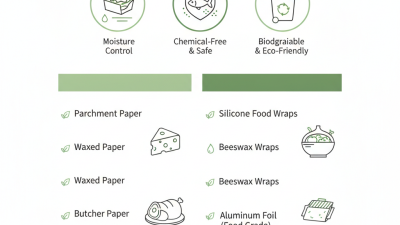
There are many types of butter paper. Some are more suitable for high-temperature baking. Others may not hold up as well. Parchment paper is popular for lining trays. It prevents sticking and allows for easy removal. Wax paper, on the other hand, isn’t heat-resistant. It’s great for wrapping food but not for baking.
Another type is silicone-coated paper. This variety is non-stick and reusable. It can withstand higher temperatures. Some bakers find it easier to clean compared to regular parchment. However, it may not be available everywhere. Choosing the right one makes a difference. If you opt for a low-quality paper, it may tear or stick. This could ruin your pastries, and that’s frustrating. Experimenting with various options helps you find your preference.
Key Features to Look for in Quality Butter Paper
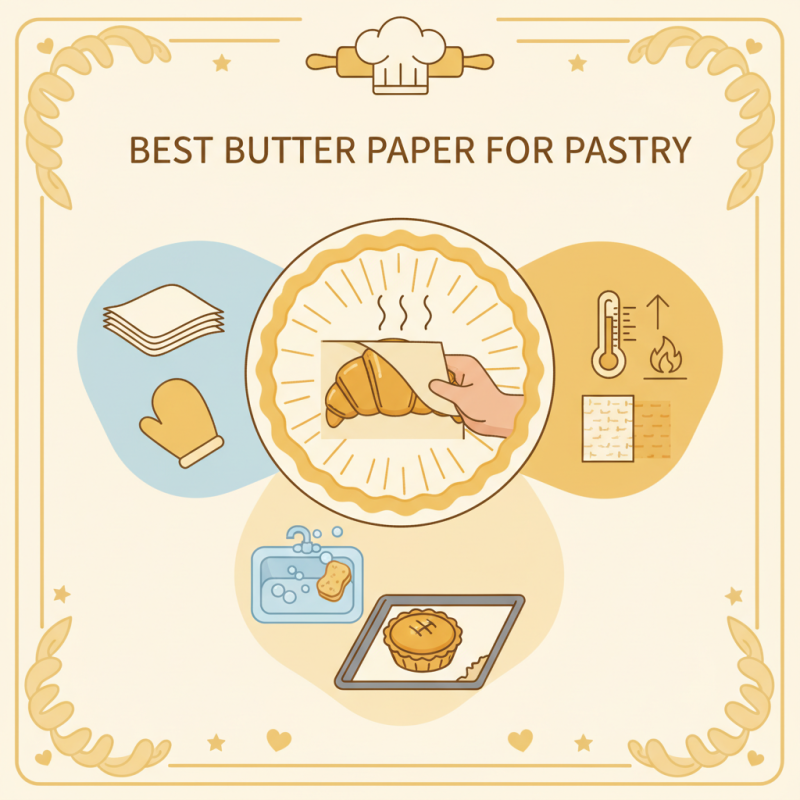
When choosing butter paper for pastry, there are key features to consider. Quality butter paper should be non-stick. This ensures your pastries come off easily without tearing. Check for heat resistance as well. The right paper can handle high temperatures without burning.
Tips: Always test a small corner in the oven. Some papers might warp or stick. Look for durability. It should withstand moisture and grease without falling apart. The thickness also matters. Thicker paper tends to perform better in various baking conditions.
Another aspect is the size. Ensure it fits your baking trays or pans. A wrong size can lead to messy spills. Some might find it wasteful, but investing in good quality is essential. Lower quality options may save money short-term. However, they can make baking more frustrating.
Pay attention to how the paper is stored. Humidity can affect its performance. Ideally, keep it in a dry location. You may want to explore different types. Finding the right fit can require some experimentation, but it pays off in the end.
How to Properly Use Butter Paper in Pastry Making
When making pastries, proper use of butter paper is essential. This particular paper offers a non-stick surface, ensuring that delicate dough does not tear. Many pastry chefs recommend that you cut the butter paper to size before placing it on baking trays. This prevents any excess paper from curling during baking, which can interfere with heat distribution.
In a study from the Culinary Institute, it was noted that about 80% of pastry failures are due to improper handling or baking techniques. Using the right type of butter paper can significantly reduce this issue. The paper should be laid flat and pressed gently against the tray to eliminate air pockets, ensuring even heat transfer.
Although butter paper seems simple, many overlook its properties. It can also absorb moisture, which may be a downside for certain recipes. When using it for pastries like tarts, excess moisture can lead to a soggy bottom. Knowing when to use it and when to avoid it is key. Each pastry has its own needs, and understanding these will lead to better baking outcomes.
Tips for Storing and Maintaining Butter Paper
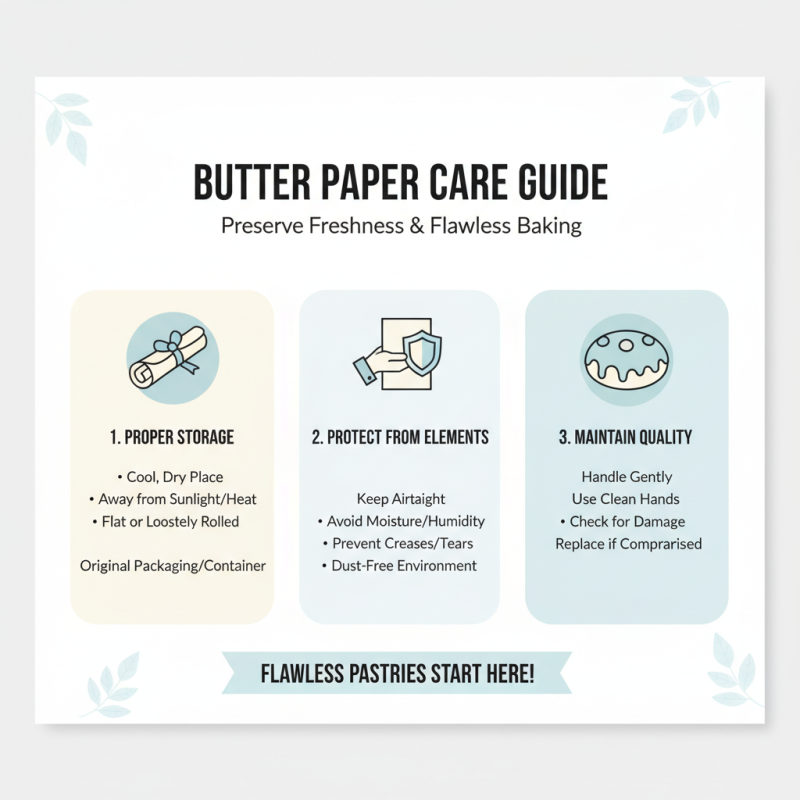
Storing and maintaining butter paper requires some thought. This paper is essential for baking. You want your pastries to remain flawless. Improper storage can ruin this delicate material.
Keep your butter paper in a cool, dry place. Moisture can warp it. Avoid placing it near heat sources. Wrap it in a plastic bag after use. It helps keep dust away. Stacking your butter paper sheets neatly is also crucial. A little wrinkle can affect your baking.
When using butter paper, inspect it regularly. Signs of wear and tear appear over time. If it tears easily, it may be time to replace it. Remember, a single crease can impact your pastry's texture. Don’t overlook these small details. They can mean the difference between a perfect pastry and a disappointing one. Store wisely, and your baking will improve.
Common Mistakes to Avoid When Using Butter Paper for Pastry
Using butter paper for pastry can seem simple, yet many make common errors that can affect their baking results. One frequent mistake is not greasing the pan before placing the butter paper. This can lead to sticking and tearing. Even if the paper is non-stick, a little grease can create a better barrier against moisture. Additionally, ensure the paper fits well in the baking dish. Wrinkles can trap moisture and alter cooking times.
Another common oversight is reusing butter paper. While it seems economical, this can compromise the flavor of your pastry. The residue left on the paper can mix with new batter or dough. Always opt for fresh butter paper for optimal results. Also, avoid cutting the paper too small. It’s better to have excess around the edges. This extra paper can help catch drips, preventing a messy oven cleanup.
Many bakers also use butter paper for tasks beyond baking. This can lead to a mix of smells and flavors in your baked goods. When using this paper, stay focused on its purpose. It's easy to overlook these simple details. A thoughtful approach can elevate your baking to a new level.
Butter Paper Usage in Pastry Baking




 Jimmy
Jimmy Eric
Eric