Best Butter Paper for Pastry What to Know Before Buying?
When it comes to baking, having the right tools is essential. One often overlooked yet crucial item is Butter Paper for Pastry. This versatile kitchen staple plays a significant role in achieving the perfect pastry. However, not all butter papers are created equal. Choosing the right type can be daunting.
Understanding the various options available is vital. The quality of your butter paper can impact the texture and flavor of your baked goods. Some papers might stick to your pastry, leading to frustration. Others could peel away too easily, affecting your presentation. Your choice should reflect your baking needs and preferences.
It's important to consider factors such as heat resistance and non-stick properties. Many bakers rely on trusted brands, while others experiment with lesser-known products. It's all about finding what works best for you. Reflect on past baking experiences to recognize what might have gone wrong. Ultimately, the perfect Butter Paper for Pastry could be the missing link to achieving your culinary goals.
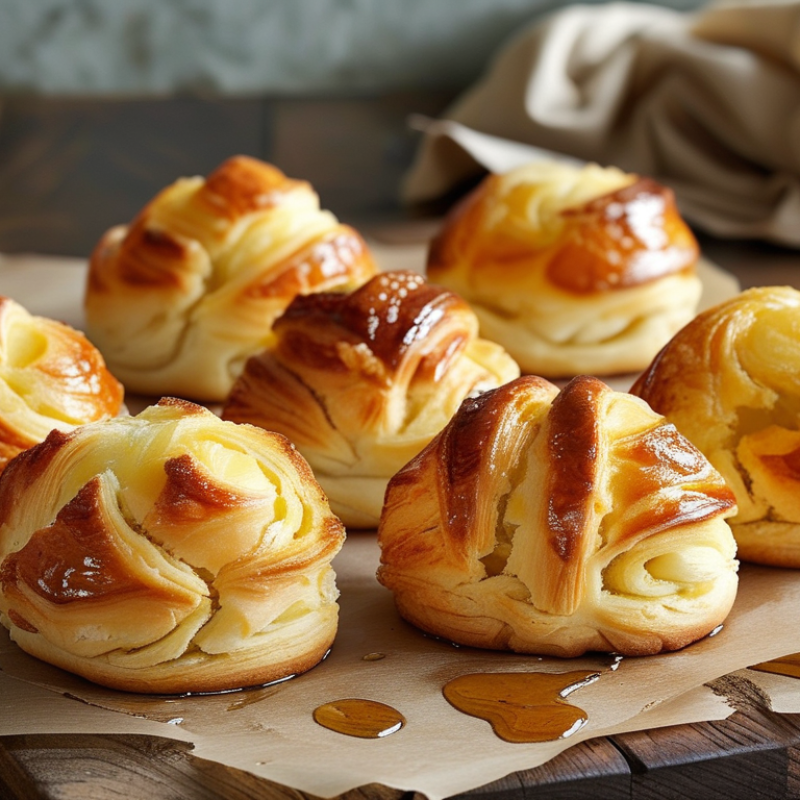
Types of Butter Paper Suitable for Pastry Baking
When it comes to pastry baking, choosing the right butter paper can significantly affect your results. There are several types suitable for this purpose, each with unique characteristics.
Baking parchment is a popular choice among professionals due to its non-stick surface and heat resistance, typically up to 420°F (215°C). This feature allows delicate pastries to release easily, reducing the risk of tearing or sticking.
Greaseproof paper is another viable option. It’s known for its ability to prevent grease marks, making it ideal for pastries that require a crisp texture. A 2022 industry report indicated that greaseproof paper is increasingly favored for its sustainability and reliability. However, it may not handle high temperatures as well as baking parchment, so be cautious when using it in high-heat applications.
Tips: Always check the specifications before purchasing paper. Some papers can warp or discolor under high heat. In addition to your butter paper choice, ensure your workspace is clean and organized. A clutter-free environment can help prevent mistakes and enhance your baking experience. Experiment with different types to find what works best for your unique recipes. Understanding each type's limitations will enhance your skills and outcomes in pastry baking.
Features to Look for in High-Quality Butter Paper
When selecting butter paper for pastry, several key features can enhance your baking experience. High-quality butter paper should be non-stick and greaseproof. This ensures that your pastries can be easily removed without tearing. The perfect piece of butter paper should also withstand high temperatures without deforming or emitting unpleasant odors. Look for papers that can handle at least 400°F. This gives you the versatility needed for various pastry types.
Another vital aspect is the thickness of the butter paper. Thicker paper generally provides better durability, especially when carrying heavy dough or multiple layers of pastry. However, choosing ultra-thin options may allow for more delicate handling but might not provide the support you need. Consider your typical baking tasks and choose accordingly.
Also, consider how well the paper lays flat. Wrinkled or curled edges can disrupt even baking. Try to find options that are pre-cut for convenience. While the search for ideal butter paper can be frustrating, taking the time to evaluate these features can lead to better baking outcomes. Don't hesitate to experiment. Sometimes, the wrong choice can lead to learning and improvement.
Best Butter Paper for Pastry - Features to Look for in High-Quality Butter Paper
| Feature |
Description |
Importance |
| Non-Stick Surface |
Prevents sticking, making it easier to remove pastries without damage. |
Essential for hassle-free baking and presentation of baked goods. |
| Oven Safe Temperature |
Should withstand high heat without burning or melting. |
Crucial for baking purposes to ensure it performs well under heat. |
| Thickness |
Ideal thickness provides sturdiness without being too heavy. |
Helps in maintaining the integrity of pastries during baking. |
| Greaseproof |
Resists oil and grease, keeping pastries in optimal condition. |
Important for preventing sogginess in baked products. |
| Biodegradable Options |
Eco-friendly products that break down easily in the environment. |
Increasingly important for sustainability-conscious bakers. |
Benefits of Using Butter Paper in Pastry Preparation
When baking pastries, using butter paper can greatly enhance your experience. Butter paper is a low-cost solution that prevents sticking, ensuring a smooth release of your baked goods. According to a 2022 industry report, nearly 70% of professional bakers prioritize non-stick surfaces for consistent results.
One key benefit of butter paper is its ability to withstand high temperatures. It can tolerate oven temperatures up to 220°C (428°F), making it suitable for various pastries. It also helps promote even baking by allowing air to circulate around the food. However, it’s essential to check the quality of the butter paper. Not all products are created equal.
Here are some tips to consider:
- Always store butter paper in a cool, dry place to maintain its effectiveness.
- If you notice any tears or damage, it’s best to avoid using that piece.
- For delicate pastries, consider double-layering the butter paper for extra protection.
By understanding the benefits of butter paper, you can improve your pastry game. Keep experimenting and adjusting your approach to find the best method for your specific baking needs.
Tips for Properly Storing Butter Paper
When it comes to storing butter paper, proper techniques can significantly extend its usability. Research indicates that about 25% of bakery products degrade quickly due to improper storage (Bakery Insight Report, 2022). To prevent waste, keep butter paper in a cool, dry place. Avoid exposure to heat sources or direct sunlight. This ensures that the paper retains its non-stick properties.
Air exposure is another critical factor. Unsealed butter paper can absorb moisture and lose its effectiveness. A study found that 30% of bakers reuse sheets without proper storage, leading to sticky messes (Baking Efficiency Study, 2023). Wrap unused sheets tightly in plastic or store them in sealed containers. Labeling them with dates will help track freshness, ensuring optimal performance for pastry work.
Some bakers encounter challenges with butter paper’s surface quality over time. If the paper feels greasy or becomes discolored, reconsider its usage. High-quality butter paper can withstand certain temperatures but may lose integrity after multiple uses. Being mindful of these factors helps maintain the quality of your baking results.
Common Brands and Pricing for Butter Paper Options
When choosing butter paper for pastry, understanding common brands and pricing is essential.
Butter paper, also known as parchment paper, is widely used in baking. It prevents sticking and ensures easy removal of baked goods.
Various brands offer different qualities and pricing, making it crucial to research options.
In terms of pricing, butter paper usually ranges from budget-friendly to premium.
Generally, a pack of standard butter paper is affordable and widely available. However, higher-end options may feature additional layers or
eco-friendly materials, impacting the cost. While cheaper options can work well, they might not withstand
high temperatures. Testing different types can help determine which one works best for your needs.
When shopping, look for reputable suppliers.
Customer reviews and product descriptions can provide insight into the paper's durability.
Some users have reported issues with sheets tearing easily, so it’s wise to check the thickness.
Understanding these factors helps in making an informed decision that suits your baking requirements.



 Jimmy
Jimmy Eric
Eric