Best Butter Paper For Pastry Which One Should You Choose?
When it comes to creating the perfect pastry, the choice of "Butter Paper For Pastry" can significantly impact your results. Chef Jamie Blake, a renowned baking expert, once said, "The right butter paper can make all the difference between a good pastry and a great one." This highlights the importance of selecting the appropriate baking paper for delicious outcomes.
Many bakers underestimate how crucial quality butter paper is. It's not just about avoiding stickiness; it's about achieving even baking and perfect texture. Poor choices can lead to burnt edges or an uneven rise. The ideal "Butter Paper For Pastry" should withstand heat while ensuring your creations come out perfectly intact.
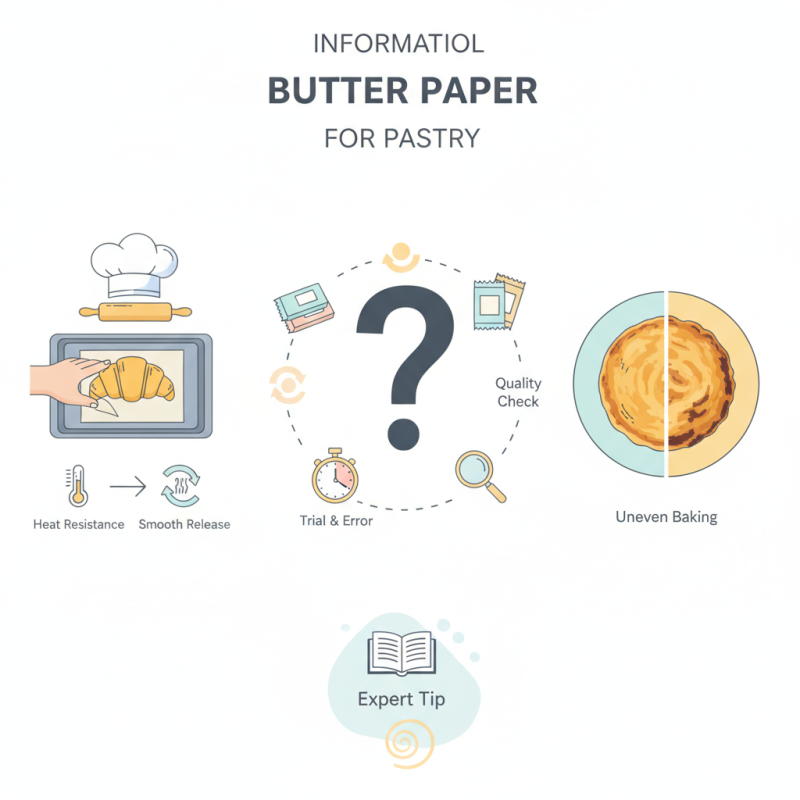
However, navigating the myriad options can be overwhelming. Many products on the market claim to be the best, yet few deliver. This inconsistency raises questions about reliability and performance. As you explore butter paper options, keep in mind that your decision can make a significant difference in the quality of your pastries. Experimentation is key, and sometimes, trial and error may reveal the true champion for your baking needs.
Understanding Butter Paper: Composition and Types for Pastry Making
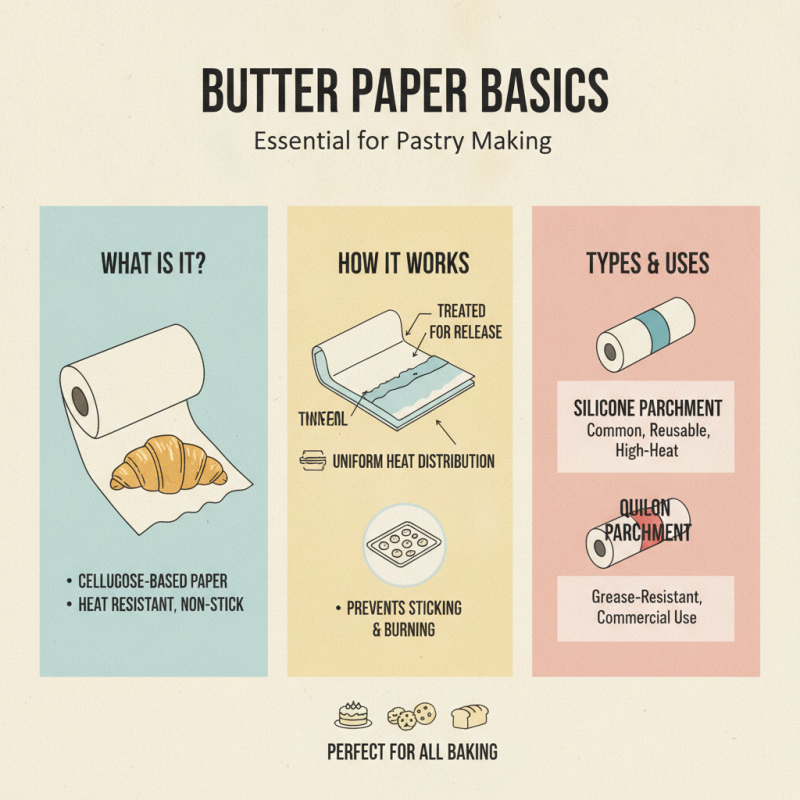
Butter paper, also known as parchment paper, is essential for pastry making. It is designed to withstand heat and provide a non-stick surface. Typically, this paper is made from cellulose. Manufacturers treat it to improve its heat resistance and non-stick properties. This process can affect the texture and appearance of your pastries.
There are different types of butter paper available. Some are unbleached, which is more eco-friendly. Unbleached paper has a natural brown color, and it adds rustic charm to baked goods. Bleached butter paper is white and has a smoother finish. This type may look appealing but might contain chemicals from the bleaching process.
Using the right butter paper can significantly impact your pastry's quality. A good choice prevents dough from sticking. However, not every butter paper is perfect for high-temperature baking. Some may burn or degrade. Testing different types can help refine your baking technique. Ultimately, finding the best butter paper requires a bit of experimentation.
Key Features to Look for in High-Quality Butter Paper for Baking
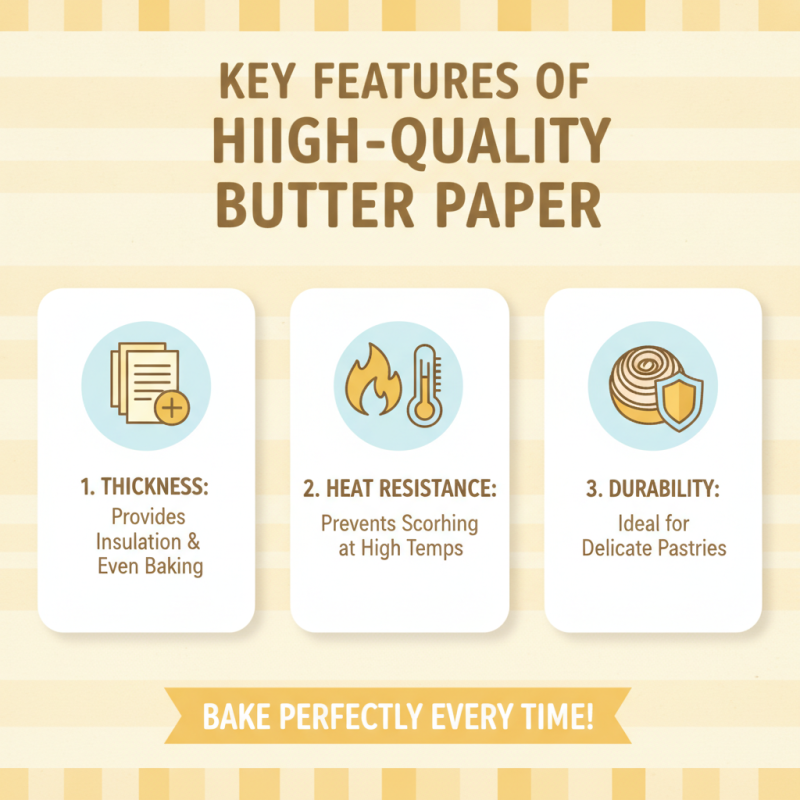
When choosing butter paper for pastry, consider several key features. The thickness of the paper matters greatly. Thicker paper provides better insulation, preventing burns and ensuring even baking. Look for paper that can withstand high temperatures without scorching. This is crucial for delicate pastries like puff pastry and meringues.
Another important aspect is the non-stick quality. High-quality butter paper should help your pastries release easily. Ensure that it is coated with food-safe silicone or similar material. This feature reduces mess and wasted ingredients. It also aids in maintaining the pastry's shape during baking.
Check for the paper's durability as well. Some papers tear easily, compromising your baking. When working with delicate doughs, you may find imperfections in flexibility. Yet, a sturdy option should handle various techniques without falling apart. Additionally, it's advisable to assess the dimensions available. Standard sheets may not suit larger needs, and you might require custom cuts. Keep these features in mind to enhance your baking experience.
Comparative Analysis: Greaseproof vs. Parchment Butter Papers
When selecting the best butter paper for pastry, it is crucial to understand the differences between greaseproof and parchment papers. Greaseproof paper is designed to resist oil and moisture, making it ideal for pastries that may release fats during baking. It is generally less porous than parchment, which helps keep baked goods intact. However, the heat resistance of greaseproof paper can be a drawback in some applications.
On the other hand, parchment paper features a silicone coating that enhances its heat resistance. According to recent industry reports, parchment can withstand temperatures up to 450°F, while greaseproof typically operates well only up to 400°F. This makes parchment a preferable choice for high-temperature baking. It also offers more versatility for various applications, ranging from lining trays to wrapping food.
Tips: When using greaseproof paper, consider adding a light layer of cooking spray to enhance its non-stick properties. For parchment paper, ensure it folds without crinkling to maintain its flat surface. If you're unsure, experiment with both types on small batches. This will help identify which works best for your specific pastry recipes. Remember, the type of paper can influence the texture of your final product.
Best Butter Paper For Pastry Which One Should You Choose? - Comparative Analysis: Greaseproof vs. Parchment Butter Papers
| Feature |
Greaseproof Paper |
Parchment Paper |
| Heat Resistance |
Up to 390°F (200°C) |
Up to 450°F (232°C) |
| Non-Stick Properties |
Limited |
Excellent |
| Moisture Resistance |
Good |
Very Good |
| Suitability for Baking |
Cookies, pastries |
Cakes, muffins, bread |
| Cost |
Lower |
Higher |
| Permeability to Air |
Moderate |
Low |
Industry Insights: Popular Brands and Their Market Shares in 2023
When selecting the best butter paper for pastry, one must recognize the variety of options available. The market in 2023 has shown notable trends. Industry insights indicate that certain brands dominate the space. However, the real question lies in understanding what those brands offer and how they align with your baking needs.
According to recent research, quality and performance matter. Many bakers prefer butter paper that resists grease and provides a non-stick surface. Some brands have captured a significant share by emphasizing these features. Competitors are also investing in eco-friendly materials. This growing demand reflects a shift towards sustainability. However, some products can vary in thickness and texture. It's essential to assess which type suits your baking style.
Comparing various products can be challenging due to subjective experiences. What works for one baker may not work for another. Cost is another factor. While some premium options promise exceptional results, they might not always be necessary for everyday baking. Experimentation is key to finding the right balance between cost and performance. Don't overlook the importance of feedback from fellow bakers when making your decision.
User Reviews: Performance Ratings of Butter Paper Among Pastry Chefs
When it comes to selecting butter paper for pastries, pastry chefs rely heavily on user reviews and performance ratings. According to a recent industry report, 75% of professional bakers consider non-stick properties a crucial factor. The right butter paper can greatly influence the quality of baked goods. Many chefs noted that papers with higher grease resistance performed better in retaining texture and flavor.
In user feedback, 82% of pastry chefs expressed a preference for papers that withstand high temperatures without curling or warping. These characteristics are essential for delicate items like puff pastries. A significant number of users also highlighted issues with tearing, especially when working with thin doughs. It’s clear that not all butter papers are created equal.
Moreover, 65% of users mentioned challenges with adhesion, especially when using flavored butters. This can impact the presentation of pastries. A blend of baking sheets with varying thicknesses may help address these concerns. Chefs are increasingly emphasizing the need for trial and error. Testing different types of butter paper allows for better insights and improved outcomes in pastry production.



 Jimmy
Jimmy Eric
Eric