2026 Best Wax Paper Food Wrapping Options for Sustainable Packaging?
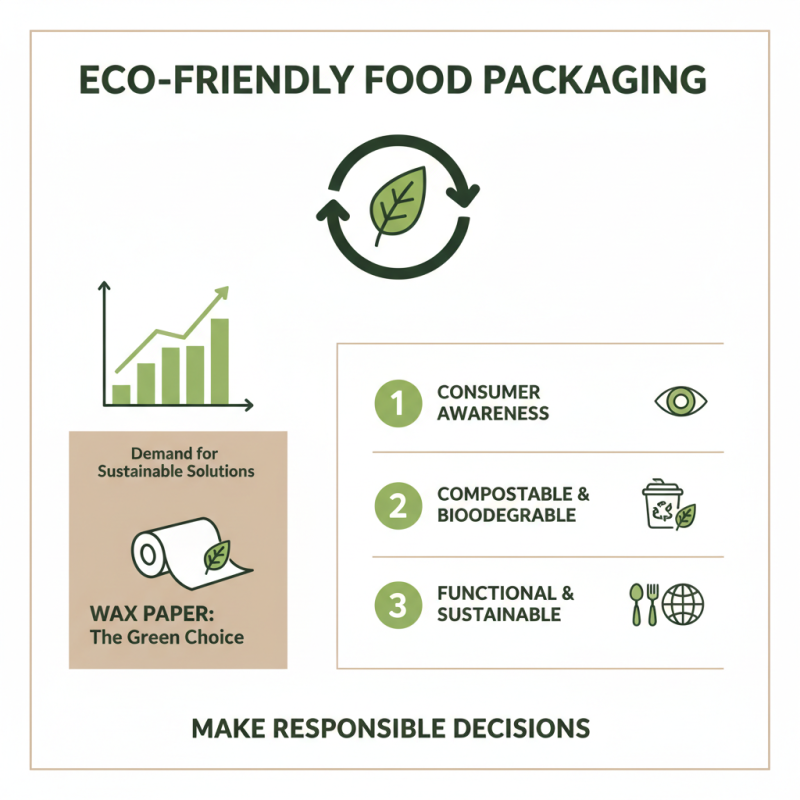
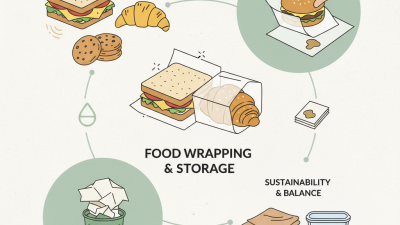
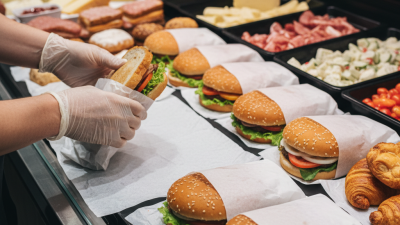
The demand for sustainable packaging is rising rapidly. Consumers are becoming more aware of environmental issues. Wax Paper Food Wrapping is gaining popularity as a viable alternative. Reports indicate that the global wax paper market is projected to grow significantly. This growth aligns with growing eco-conscious consumer behavior.
Many food businesses are exploring sustainable packaging. Wax paper is biodegradable and compostable, appealing to eco-friendly companies. Yet, challenges remain in balancing cost and sustainability. Some manufacturers struggle with production costs. These issues could impede the adoption of Wax Paper Food Wrapping.
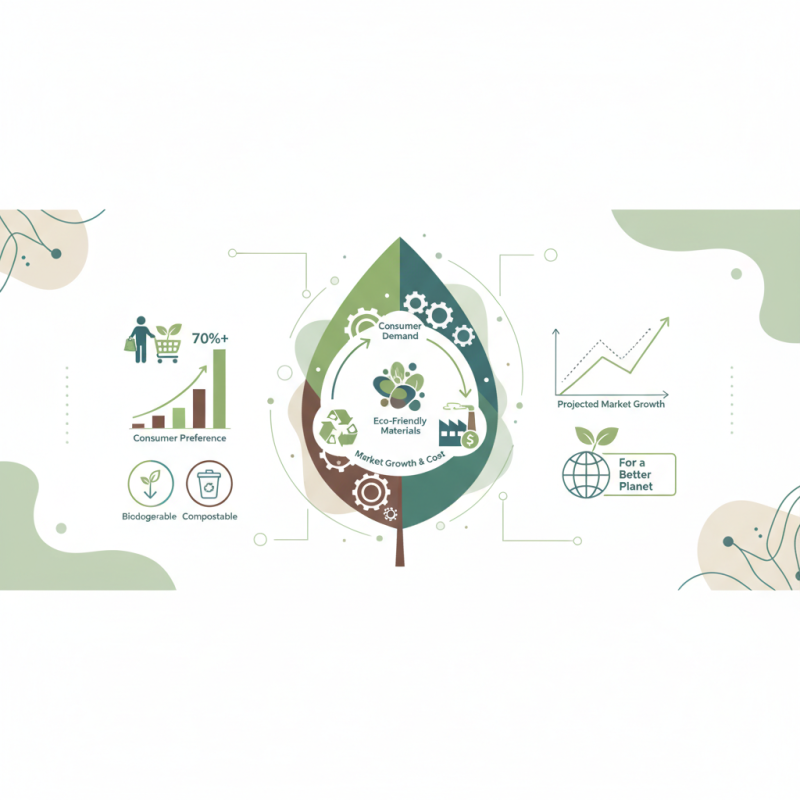
A recent survey found that over 70% of consumers prefer packaging that is environmentally friendly. This shift is crucial for brands to consider. As more companies aim for sustainable solutions, they must evaluate options. The journey is not without flaws, but it is essential for a better planet. Wax Paper Food Wrapping could pave the way for innovative packaging solutions.
2026 Wax Paper Innovations: Key Features for Sustainable Packaging
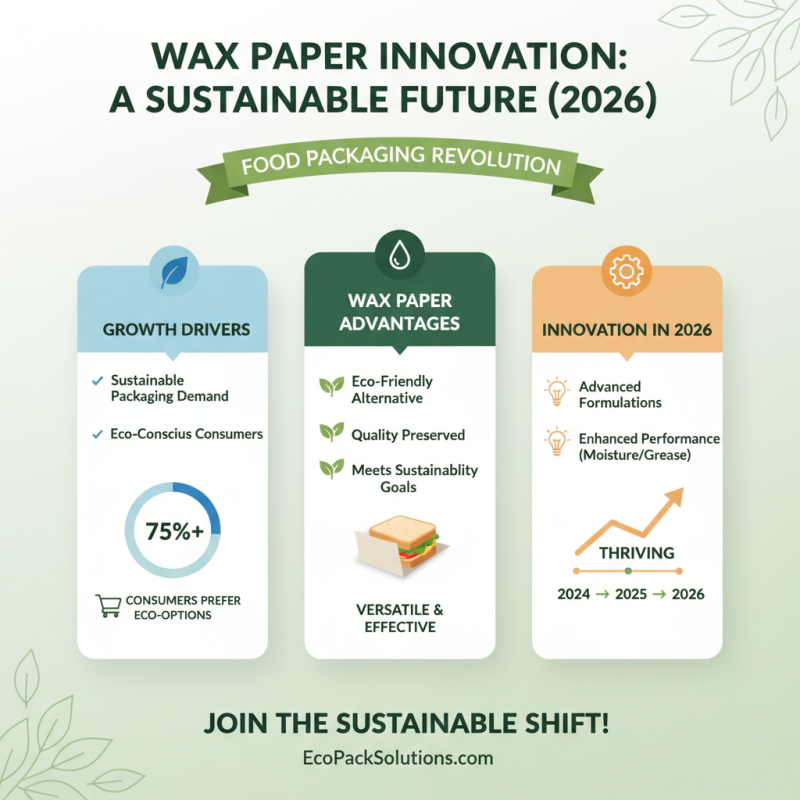
In 2026, innovation in wax paper for food wrapping is thriving. This surge aligns with the increasing demand for sustainable packaging. A recent market report highlighted that over 75% of consumers prefer eco-friendly options. Wax paper is gaining traction as an alternative. It meets the need for sustainability without compromising quality.
Key features of these innovations include compostability and biodegradability. Unlike conventional plastic wraps, advanced wax papers break down in compost settings. Reports state these products reduce landfill waste by up to 50%. However, some concerns linger about the production processes. The sourcing of wax can impact sustainability, requiring continuous improvement.
Transparency in materials is vital. Consumers want to know ingredient origins. Many brands strive for clarity, yet some information is still vague. The industry's sustainability journey must address these uncertainties. Ultimately, balancing performance with ecological responsibility remains a challenge. The goal is clear: create effective, sustainable packaging for food.
Environmental Impact: Lifecycle Assessment of Wax Paper vs. Plastic Wrapping
The environmental impact of packaging materials is critical today. Wax paper and plastic wrapping provide different benefits and drawbacks. Wax paper is biodegradable and compostable, making it more sustainable. It decomposes naturally within months. In contrast, plastic can take hundreds of years to break down, contributing to pollution.
Lifecycle assessments reveal these stark differences. Wax paper requires less energy in production. It often relies on renewable resources. Plastic production, on the other hand, uses fossil fuels and emits greenhouse gases. People might think plastic is easier to deal with. But the reality is, it contributes to long-term waste problems.
Many consumers overlook the details. Not all wax papers are completely eco-friendly. Some still use harmful chemicals. This adds another layer of complexity to the choice. While looking for sustainable options, it’s essential to evaluate labels closely. The journey to find the best wrapping materials involves more than just preference; it’s about the broader impact on the planet.
Market Trends: Growth and Demand for Sustainable Food Packaging Solutions
The demand for sustainable food packaging solutions is on the rise. Wax paper, as an eco-friendly option, is gaining attention. Consumers are increasingly aware of their choices and want to make responsible decisions. They prefer materials that are compostable and biodegradable. Wax paper fits this need perfectly, offering both functionality and sustainability.
Market trends indicate a shift towards greener alternatives. Many businesses are exploring alternatives to plastic. This change is sparked by the growing awareness of environmental issues and regulations against single-use plastics. However, the wax paper industry still faces challenges. This includes issues concerning durability and moisture resistance. Some manufacturers struggle to balance eco-friendliness with functionality.
The consumer’s journey toward sustainable packaging is not flawless. People often find themselves confused by labels and certifications. Misleading information can lead to skepticism about wax paper's effectiveness. As more products emerge, educating consumers is paramount. Awareness and genuine transparency can help bridge this gap. This ongoing evolution is essential for a more sustainable future in food packaging.
Materials Science: Biodegradable Coatings in Wax Paper Production
The demand for sustainable packaging has led to innovative solutions in wax paper production. Materials science plays a crucial role here.
Biodegradable coatings can enhance the functionality of wax paper. These coatings help create a barrier against moisture and grease, making the paper suitable for food wrapping.
When choosing wax paper, consider the material's compostability. Look for options that break down naturally in the environment. This is particularly important for reducing landfill waste.
Biodegradable options often use plant-based materials. This can be a more sustainable alternative compared to traditional options.
Tips: Check for certifications on biodegradable materials. These labels can provide assurance of the product's eco-friendliness. Also, experiment with different types of wax paper for various food items. Ensure the paper maintains freshness while being environmentally friendly.
Remember, not all wax papers are created equal. Choose wisely.
Consumer Preferences: Survey Data on Eco-Friendly Packaging Choices
Consumer preferences for sustainable packaging are changing. Recent survey data reveals that many individuals prioritize eco-friendly options. The awareness of environmental issues drives this shift. Consumers are expressing a desire for packaging that is both functional and kind to the planet.
When it comes to wax paper food wrapping, characteristics matter. Respondents often cited biodegradability and compostability as essential features. Eco-conscious consumers are keen on materials that do not contribute to landfill waste.
However, there seems to be a gap in understanding how to identify genuinely sustainable products. Many consumers still rely on vague labels or marketing claims. This can lead to confusion and misinformed choices.
A significant number of people admitted they haven’t researched alternatives. As more brands enter this space, educating consumers becomes crucial. It’s important to encourage informed decisions in the journey toward sustainability.


 Jimmy
Jimmy Eric
Eric