Best Wrapping Paper For Food Options for Your Business Needs?
Choosing the right wrapping paper for food is essential for any business dealing with food products. Effective packaging not only protects food but also enhances its appeal. With so many options available, making a choice can feel overwhelming.
High-quality wrapping paper for food is key. It must be safe, durable, and visually appealing. The wrong choice can lead to spoilage or an uninviting presentation. Mistakes in wrapping may compromise your brand’s image.
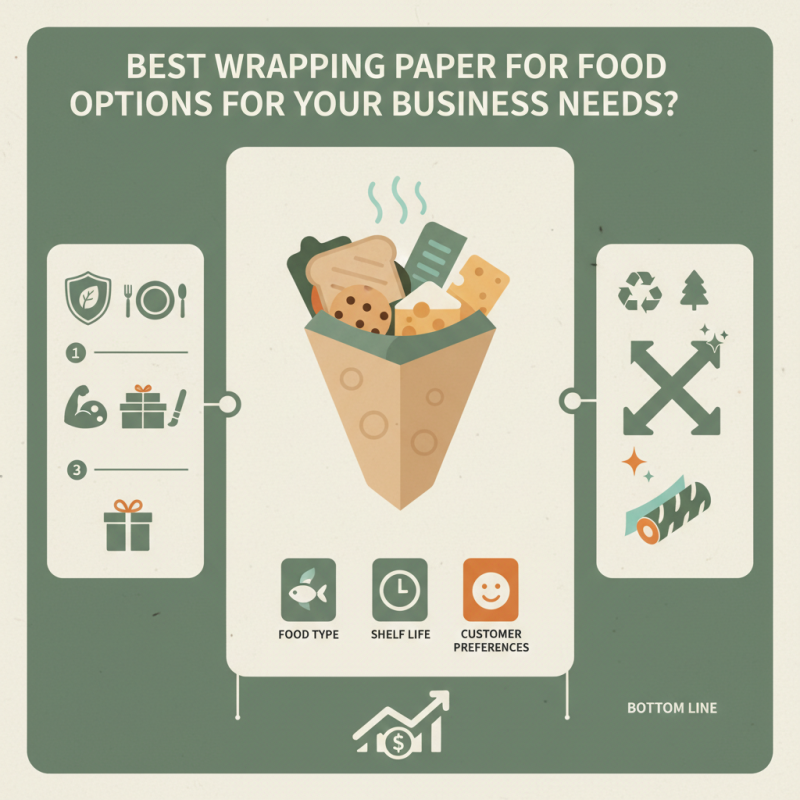
Businesses should consider their unique needs. Factors like food type, shelf life, and customer preferences play a role. Do you prefer eco-friendly materials? Or is aesthetic appeal more important? Each decision impacts your bottom line. Finding the best wrapping paper requires careful thought and reflection.
Best Types of Wrapping Paper for Food Packaging in the Food Industry
When considering wrapping paper for food packaging, it’s vital to explore the best options. The food industry demands materials that are not only attractive but also functional. Research indicates that 75% of consumers believe packaging influences their purchasing decisions. Therefore, the type of wrapping paper used can significantly impact sales.
Grease-resistant paper is popular for items like baked goods. This type of wrapping protects the food from moisture and grease, maintaining its quality. In addition, it’s biodegradable, appealing to environmentally conscious customers.
Meanwhile, parchment paper remains a strong choice for its heat resistance and food safety qualities. Meteoric growth is expected in sustainable packaging, with projections suggesting a market increase of over 20% by 2025.
However, not all wrappers are equal. Some are printed with inks containing harmful substances. Choosing food-safe inks is crucial to prevent potential health risks. There’s a clear need for continuous evaluation in material design. The industry must adapt to consumer preferences while ensuring safety and sustainability, creating an intricate balance between appearance and functionality.
Key Considerations for Selecting Food-Safe Wrapping Paper Materials
When selecting food-safe wrapping paper, there are several key considerations to keep in mind. Materials must be non-toxic and compliant with safety regulations. According to a report by the FDA, about 35% of packaging materials used in food services do not meet safety standards. This highlights the importance of rigorous selection.
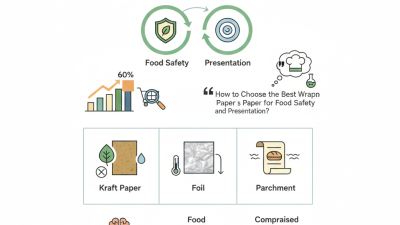
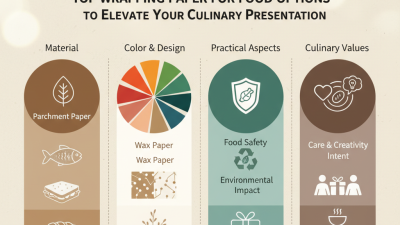
The type of paper is crucial. Options include waxed, parchment, and plastic-coated papers. Each type has distinct properties. For example, waxed paper is moisture-resistant, making it ideal for greasy foods. However, it can pose difficulties for recycling. Parchment paper is often heat-resistant and more eco-friendly, but its durability under moisture is limited.
Another factor is the sourcing of materials. A study indicated that nearly 40% of businesses consider sustainability when choosing packaging. Biodegradable options are in demand. However, not all biodegradable papers perform well in food contexts. This inconsistency raises questions about quality and safety. Balancing eco-friendliness with functionality remains a challenge for many food businesses.
Environmental Impact of Biodegradable vs. Traditional Wrapping Paper
When it comes to wrapping food, the choice between biodegradable and traditional wrapping paper has significant environmental implications. Biodegradable options break down naturally, reducing landfill waste. They contribute to a healthier planet by minimizing pollution. In contrast, traditional options rely on materials that persist in the environment for decades. This difference can impact your brand's sustainability image.
Tips: Consider switching to biodegradable materials. Your customers may appreciate your commitment to the environment. Research local suppliers for quality options. Also, think about how you can reduce excess packaging without compromising food safety.
While biodegradable paper is ideal, it may also have drawbacks. Some brands struggle with durability. They may not withstand moisture as well as traditional options. Test various kinds to ensure they meet your needs. Balancing sustainability with practicality can be tricky. Find a middle ground that suits both your business and your ethical standards.
Environmental Impact of Biodegradable vs. Traditional Wrapping Paper
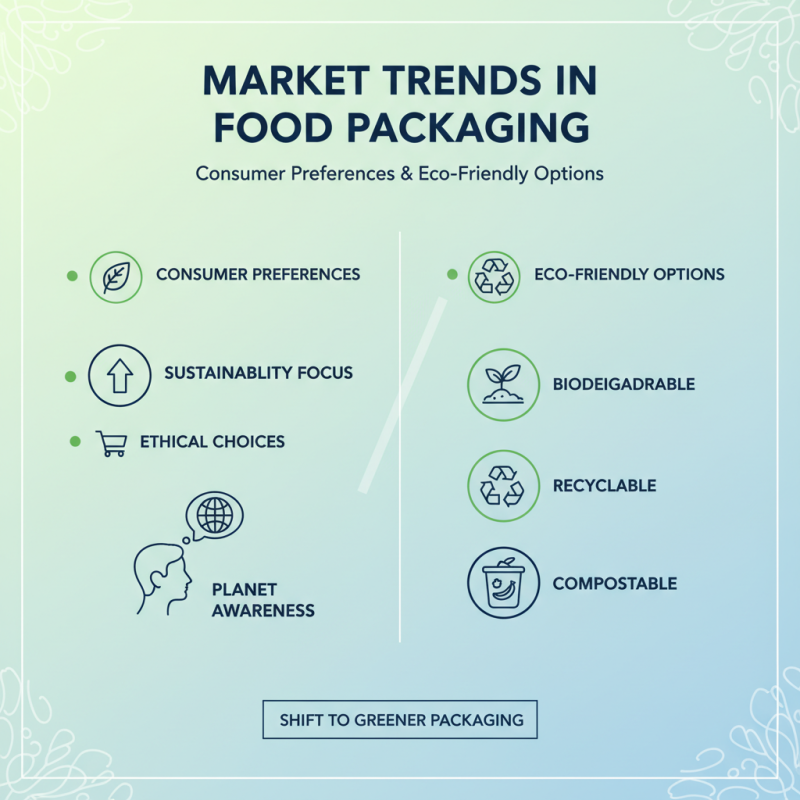
Market Trends in Food Packaging: Consumer Preferences and Eco-Friendly Options
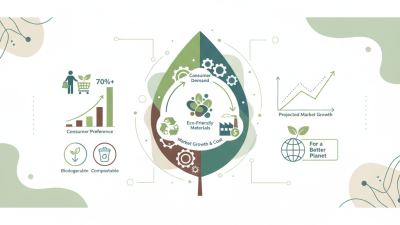
Consumer preferences in food packaging have shifted dramatically in recent years. A growing emphasis on sustainability prompts many businesses to seek eco-friendly wrapping options. Biodegradable, compostable, and recyclable materials are gaining popularity. These choices cater to environmentally conscious customers. People are increasingly aware of the impact of packaging waste on the planet.
However, transitioning to sustainable materials is not without challenges. Sourcing high-quality, eco-friendly options can be more costly. Some businesses struggle with the durability of these materials. They may not provide the level of protection that traditional options do. This gap raises questions about food safety and shelf life.
Additionally, customers often prioritize convenience alongside sustainability. Many prefer packaging that is easy to open or reseal. Balancing these preferences requires innovative thinking. Businesses must invest in research and development to meet these demands. It's essential to stay informed about market trends and consumer interests in this dynamic landscape.
Cost Analysis of Wrapping Paper Solutions for Packaging Businesses
When selecting wrapping paper for food packaging, cost is a crucial factor. Various options vary significantly in price. Businesses need to assess both the initial costs and long-term savings. Premium materials tend to have higher upfront costs. However, these can offer better insulation and freshness retention for food products.
Different types of wrapping paper, such as kraft paper, wax paper, and eco-friendly options, come with different price tags. Kraft paper is often more economical but may not provide the best protection. On the other hand, wax paper can be pricier but excels in moisture resistance. Eco-friendly wraps can also be beneficial in appealing to environmentally conscious consumers.
It's essential to evaluate your target market when choosing wrapping paper. This decision can impact sales and customer satisfaction. A balance between quality and cost must be struck. Try sampling various types to see which fits your budget and customer needs effectively. Remember, investing in quality can sometimes yield better growth in the long run.



 Jimmy
Jimmy Eric
Eric