How to Choose the Best Coffee Filter Paper for Your Brewing Needs?
Choosing the right coffee filter paper can significantly impact your brewing experience. With so many options available, it’s easy to feel overwhelmed. The texture, weight, and material of coffee filter paper play vital roles in flavor extraction.
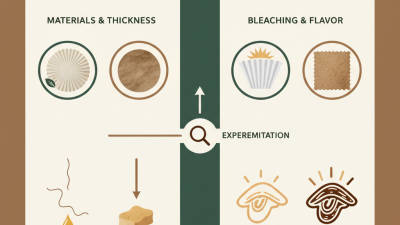
For instance, bleached filters offer a cleaner taste, while unbleached ones add depth. The thickness of the paper affects flow rates and extraction times. You may find that some brands retain more oils or sediment. This could alter the overall coffee flavor.
Don’t just go with what’s popular. Experimentation is key. Your personal preference will guide you. Reflect on your brewing style and the flavors you enjoy. Finding the perfect coffee filter paper may require trial and error, but it’s a rewarding journey.
Types of Coffee Filter Paper and Their Unique Features
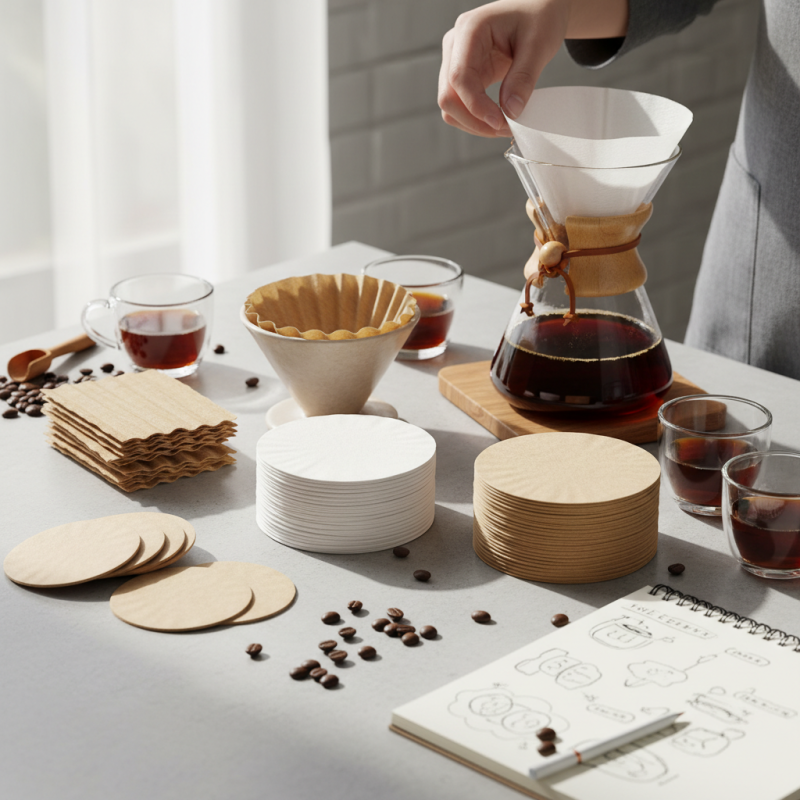
When selecting coffee filter paper, it's essential to understand the different types available. The most common are paper filters, which are typically bleached or unbleached.
Bleached filters have a bright white appearance and can impart a cleaner taste to your coffee.
Unbleached filters retain more of that natural paper flavor, which some people appreciate.
Another option is reusable cloth filters. They are eco-friendly and can enhance the coffee's body. However, they do require regular cleaning and maintenance.
Metal filters, often made from stainless steel, create a full-bodied cup, but they may allow fine coffee particles to pass through.
Tips: Always consider the method of brewing. For drip coffee, paper filters work best. For French press lovers, a metal or cloth option is ideal.
Experiment with different materials to find what suits your taste. Finally, don't forget to replace old filters to avoid any stale flavors.
A fresh filter can make a significant difference.
Factors to Consider When Choosing Coffee Filter Paper
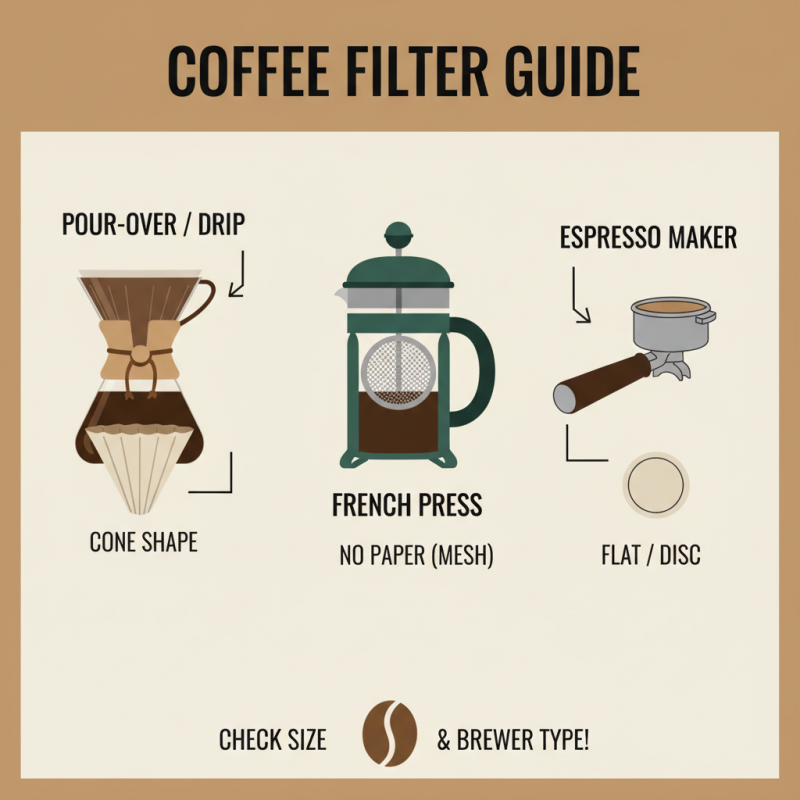
When choosing coffee filter paper, you need to consider the size. Often, different brewing methods require specific sizes. A standard cone shape may work for many drip systems. However, if you're using an espresso maker, you might need a smaller, flat filter. Always check the dimensions of your brewing apparatus before purchasing.
Another critical factor is the material of the filter. Paper filters come in various types, including bleached and unbleached options. Bleached filters are white and may impart a slight taste. Unbleached filters preserve more of the coffee's natural flavors. If you're sensitive to taste, it’s worth experimenting here. The texture can also affect the brew. Thicker filters may hold back more oils, while thinner ones let flavors seep through more freely.
Lastly, think about environmental impact. Some filters are compostable, while others contribute to waste. Reflecting on your choices can lead to better decisions. The right filter may enhance your coffee experience. But, experimentation can lead to unexpected disappointments. Everyone has preferences, and discovering yours might take time. Always keep an open mind as you explore different options.
Comparison of Natural vs. Bleached Coffee Filter Paper
When it comes to brewing coffee, the choice between natural and bleached coffee filter papers can significantly affect the flavor. Natural filters are unbleached and retain their natural color, while bleached filters are processed to achieve a white appearance. The process of bleaching can involve chlorine or oxygen, leading to differing flavor profiles.
Studies from the Specialty Coffee Association indicate that many coffee enthusiasts prefer natural filters. They claim these filters impart a more robust flavor to the brew. According to research, natural fibers can absorb oils and produce a fuller-bodied cup. However, some users note a more earthy taste, which might not appeal to everyone.
Bleached filters, on the other hand, are often seen as cleaner in appearance. They provide a neutral flavor, which some argue allows the coffee's true characteristics to shine. However, concerns about chemical residues linger. In a survey, 30% of coffee drinkers expressed doubts about the safety of bleached filters. The choice also depends on the brewing method you use. Pour-over enthusiasts may lean toward natural filters for extra flavor extraction. You need to consider your brew style and personal taste preferences carefully.
Size and Shape Options for Different Brewing Methods
Choosing the right coffee filter paper involves understanding the various sizes and shapes available. Different brewing methods each require specific dimensions. For instance, pour-over systems generally use flat-bottomed filters. These filters help create a consistent flow of water, allowing for even extraction. Meanwhile, cone-shaped filters are ideal for those who prefer drip coffee makers, as their tapered design enhances the brewing process.
Beyond shape, size plays a crucial role in the filtering experience. Standard sizes are common, but each method might not fit perfectly. A filter that's too small can lead to spills, while one that's too large might not fit securely. It’s vital to measure your coffee maker before making a selection. If unsure, consider experimenting between options. You may find slight differences in taste based on your choice of filter.
The density of the paper also affects flavor clarity; thicker papers might hold back oils, changing the final profile of your brew.
The journey to find the right filter can be tricky. You may have to navigate product variations that confuse rather than clarify. Personal preferences also come into play. A filter that works for one person may not suit another. Embrace the trial and error involved, and allow yourself the freedom to explore. The perfect cup of coffee could be just a filter away.
Environmental Impact of Coffee Filter Paper Choices
When it comes to coffee brewing, the choice of filter paper plays a crucial role. Many coffee enthusiasts overlook the environmental impact of their filter paper. Traditional paper filters are often bleached with chemicals. This bleaching process can release harmful substances into the environment. According to a study by the Specialty Coffee Association, about 700 million coffee filters are used in the U.S. each year. The vast majority end up in landfills.
Biodegradable options are gaining popularity. They decompose naturally and reduce waste. However, the production of these filters can still have environmental costs. A report from the American Chemical Society suggests that even biodegradable papers may require significant water and energy during manufacturing. Consumers need to weigh the benefits against the environmental costs.
Recycling is another option. Yet, many people do not recycle their coffee filters. A survey by the Environmental Protection Agency revealed that only 25% of coffee drinkers recycle their used filters. The choices we make in our coffee routine can have a lasting impact on the planet. Exploring sustainable alternatives is essential for eco-conscious consumers. However, this path is not without its complications. Each option comes with trade-offs that require careful consideration.
Environmental Impact of Coffee Filter Paper Choices
This bar chart illustrates the environmental impact of various types of coffee filter papers based on their biodegradability and resource usage. The data reflects a comparison between traditional paper filters, reusable metal filters, and biodegradable paper filters.



 Jimmy
Jimmy Eric
Eric