How to Choose the Best Wrapping Paper for Food Safety and Presentation
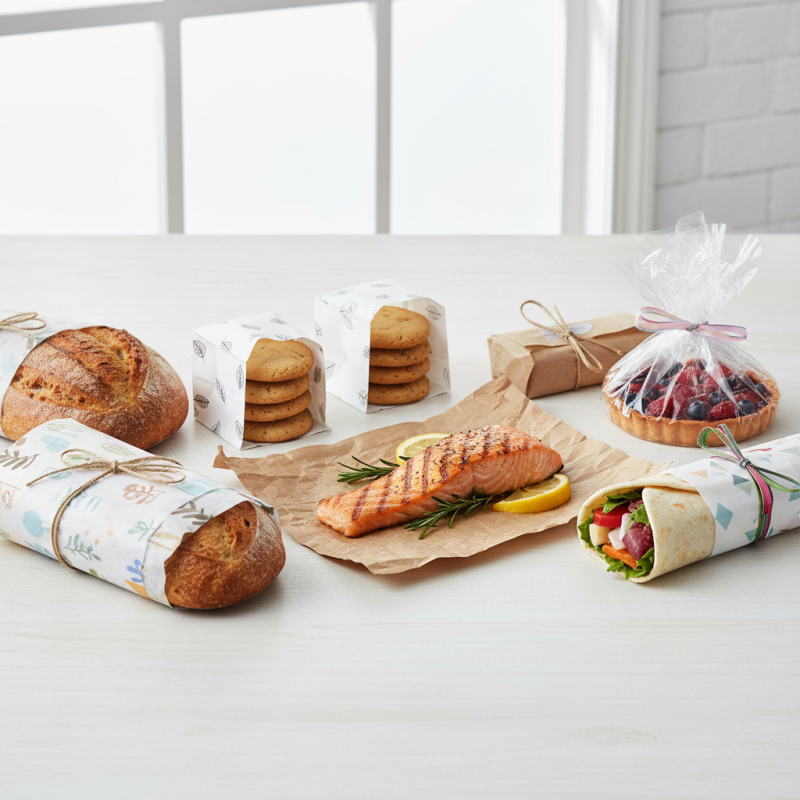
When it comes to presenting food, the choice of wrapping paper is crucial not only for aesthetics but also for food safety. Wrapping paper for food serves as a protective barrier, safeguarding the contents from contaminants while enhancing the overall visual appeal of your culinary creations. The right wrapping paper can elevate the dining experience, making it more memorable for guests and ensuring that the food remains fresh and appetizing.
Selecting the best wrapping paper for food requires a keen understanding of the materials available and the specific needs of your food items. Various factors, such as moisture resistance, temperature tolerance, and biodegradability, play a significant role in determining the appropriateness of the wrapping paper. Additionally, considering how the visual presentation aligns with your culinary theme can enhance not only the meal but also the occasion surrounding it.
By carefully evaluating these aspects, you can choose wrapping paper for food that meets safety standards while also complementing your presentation style. In this guide, we will explore key considerations and tips for selecting the ideal wrapping paper for your food, ensuring that both safety and aesthetics are effectively addressed.
Understanding Food Safety Regulations for Wrapping Paper
When selecting wrapping paper for food, it is crucial to understand food safety regulations that govern material standards. Food safety authorities often require that any wrapping paper used for food items be made from materials that are non-toxic and safe for direct contact with consumables. This ensures that harmful chemicals or contaminants do not leach into the food, compromising its safety. Therefore, it is essential to look for papers that meet specific safety certifications or standards, such as those approved for food use by relevant health organizations.
In addition to material safety, understanding the functionality of wrapping paper in maintaining food hygiene is vital. The chosen wrapping should effectively protect food from external contaminants, moisture, and odor while preserving its freshness. Certain types of wrapping papers, such as grease-resistant or moisture-proof varieties, can provide an additional layer of protection.
Furthermore, proper labeling and handling procedures should always be followed to comply with food safety regulations, ensuring that the wrapping process does not introduce risks. Choosing the right wrapping paper not only enhances the visual presentation but also plays a significant role in ensuring the safety and quality of the food being served.
Types of Wrapping Paper and Their Safety Features
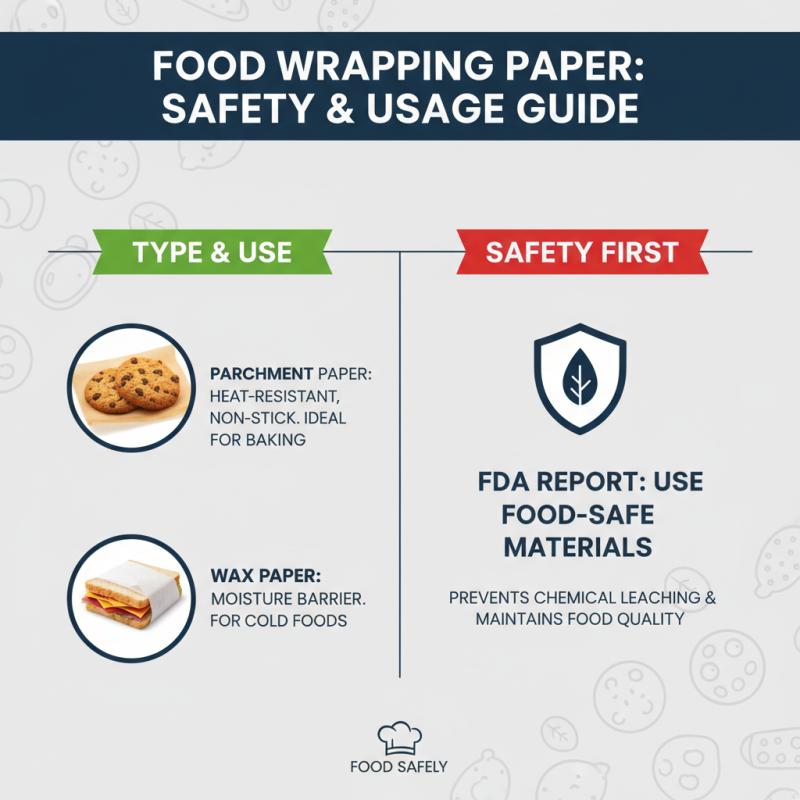
When it comes to wrapping food, selecting the right type of wrapping paper is essential for ensuring both safety and visual appeal. Different types of wrapping papers have varying safety features that cater to various food items. For instance, parchment paper is highly heat-resistant and non-stick, making it ideal for baked goods, whereas wax paper serves well for items that do not require heating, providing a moisture barrier. According to a report by the Food and Drug Administration (FDA), using food-safe materials is critical to prevent chemical leaching and maintain food quality.
Another popular choice is butcher paper, which is breathable, allowing meats to retain moisture while still developing a desirable crust during cooking. This type of paper is endorsed by the American Meat Science Association for its ability to prevent spoilage while ensuring effective presentation. A recent study showed that consumers place significant value on the appearance of food packaging, highlighting that well-presented items increase perceived freshness and desirability.
**Tip:** Always check for food safety certifications on wrapping materials; look for papers labeled as "food-safe" to ensure they meet set health standards.
For maximum effectiveness, consider the specific food item you're wrapping. For example, choose aluminum foil for items that need to be protected from light and moisture, ensuring a longer shelf life. Additionally, using colored or patterned wrapping can enhance presentation without compromising safety—just make sure that any inks used are food-safe and non-toxic.
**Tip:** Experiment with different wrapping techniques to elevate food presentation; things like origami folds or using double layers can make a simple meal look gourmet while ensuring safety.
Evaluating Material Properties for Food Presentation
When it comes to food presentation, the selection of wrapping paper is critical not only for aesthetic appeal but also for food safety. According to a report from the Food Packaging Institute, 70% of consumers consider packaging to be an essential factor in food quality perception. Therefore, evaluating the properties of wrapping materials is paramount. For instance, materials that are non-toxic and food-safe, such as parchment paper and certain bio-based plastics, ensure that there are no harmful chemicals leaching into the food. It is essential to look for certifications like FDA approval for food contact materials to guarantee safety and hygiene.
Additionally, moisture and temperature resistance play a vital role in food presentation. A study published in the Journal of Food Science indicates that excessive moisture can lead to a deterioration of wrapped food, especially items like baked goods and fresh produce. Thus, selecting wrapping paper that has adequate moisture barriers can preserve freshness and enhance visual appeal. The use of materials like polyethylene, which offers high moisture resistance, can prolong shelf life and keep the presentation appealing for longer. Overall, making informed choices about wrapping materials based on these properties can significantly elevate food presentation while ensuring safety for consumption.
Material Properties for Food Wrapping Paper
Sustainable Options for Food Wrapping Paper
When choosing wrapping paper for food, sustainability plays a crucial role in both environmental impact and consumer health. Traditional wrapping materials often contain harmful chemicals and are not biodegradable, leading to increased waste in landfills. In contrast, sustainable options are designed to be eco-friendly, using recyclable or compostable materials that minimize harm to the planet. For instance, papers made from recycled fibers or plant-based materials not only provide adequate protection for food but also contribute to a lower carbon footprint.
Moreover, sustainable wrapping paper can enhance the presentation of food items. Many eco-friendly options come in appealing designs and colors, allowing consumers to combine aesthetics with responsibility. Utilizing biodegradable inks and dyes, these materials ensure that there is no compromise on visual appeal while supporting eco-conscious choices. As consumers become more aware of their environmental impact, selecting wrapping paper that aligns with sustainable practices signifies a responsible and thoughtful approach to food presentation.
Tips for Properly Wrapping Food for Safety and Aesthetics
When it comes to wrapping food, safety and aesthetics should go hand in hand. Proper wrapping techniques not only preserve the freshness of food but also enhance its presentation. A study published by the Food Packaging Forum suggests that about 20% of food waste can be attributed to improper packaging methods. Therefore, selecting the right wrapping materials is crucial for maintaining food quality.
To ensure food safety, it is essential to use materials that are food-grade and non-toxic. For instance, materials like parchment paper or specially designed plastic wraps can help prevent unwanted chemical leaching. Additionally, when wrapping food, make sure to remove excess air, as oxygen can lead to spoilage. Research indicates that vacuum sealing can prolong food storage life by up to 5 times, thus significantly reducing waste.
Tips for Properly Wrapping Food:
- Always wash hands and surfaces before handling food to minimize contamination.
- For moisture-rich items, consider using absorbent layers like paper towels before sealing them in cling film or bags to prevent sogginess.
- Label wrapped items clearly with the contents and date, as this practice improves food safety and helps in meal planning.
By focusing on these food safety measures and presentation tips, you can ensure that your packaged food looks appealing while remaining safe for consumption.





 Jimmy
Jimmy Eric
Eric