2026 How to Choose the Right Coffee Filter Paper for Brewing Perfect Coffee?
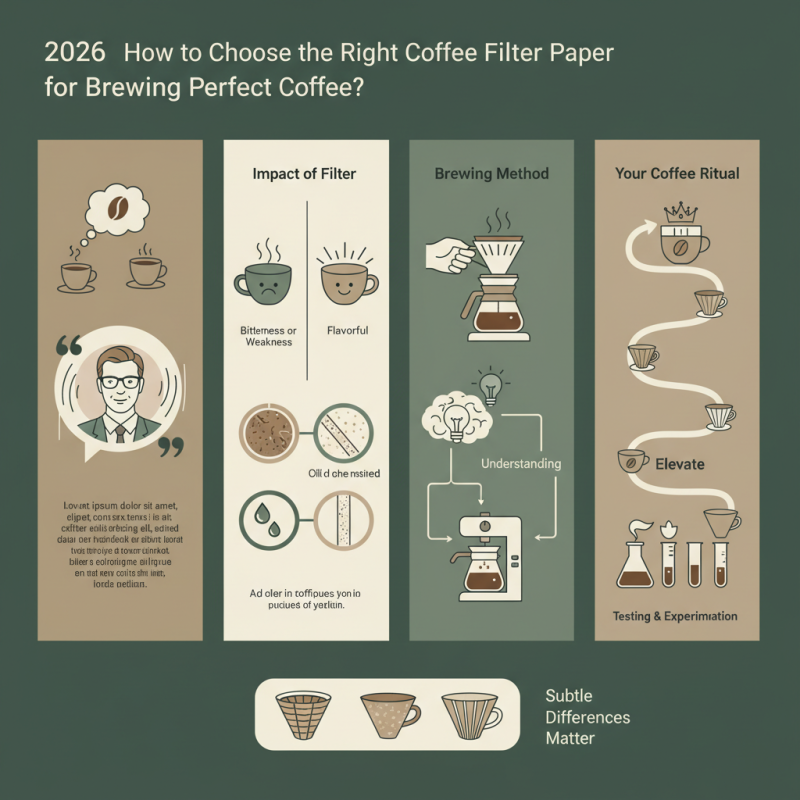
When it comes to brewing the perfect cup of coffee, the choice of Coffee Filter Paper is crucial. According to renowned coffee expert James Hoffmann, “The right filter can transform your coffee experience.” With so many options available, how do you choose the best one?
Many people overlook the impact of the filter. A poor choice can lead to bitterness or an overly weak brew. Different Coffee Filter Papers vary in thickness and material. Paper filters can also affect taste. While some absorb oils, others allow more flavor to pass through.
Understanding your brewing method is key. Whether using a pour-over or a coffee machine, the filter plays a pivotal role. Reflecting on your previous coffee experiences can guide your selection. Striking the right balance with Coffee Filter Paper can elevate your daily ritual. Testing various options is often necessary. Not all filters are equal, and subtle differences can matter.
Understanding Coffee Filters: Types and Materials Explained
When brewing coffee, the choice of filter paper greatly impacts the flavor and quality. Coffee filters come in various types and materials, each with unique characteristics. Generally, filters are made from paper, cloth, or metal. Paper filters are the most common, made from cellulose fibers. They absorb oils and fine particles. This leads to a cleaner cup. However, they may also strip the coffee of some flavor compounds.
Cloth filters offer a different approach. They allow oils while filtering out larger sediments. Many coffee enthusiasts prefer them for their ability to enhance the coffee's richness. Yet, cloth filters require regular cleaning and maintenance, which can be a hassle. Metal filters are another option, often made from stainless steel. They are reusable and eco-friendly. However, they can result in a thicker brew that some drinkers may find unappealing.
According to a recent industry report, about 70% of coffee drinkers prioritize flavor over convenience. This indicates that the choice of filter is essential for many consumers. Opting for a filter that aligns with personal taste preferences can greatly enhance the coffee experience. A practical approach is to experiment with different filters. Observing subtle differences in flavor can lead to greater appreciation. Each type of filter presents opportunities for exploration, but it also comes with challenges.
The Importance of Coffee Filter Paper in Brewing Practices
The importance of coffee filter paper in brewing cannot be overstated. It directly affects the taste and clarity of your coffee. The right filter enhances extraction, allowing flavors to shine through. A poor choice can lead to bitterness or muddiness. Different materials yield different results, and understanding these nuances is key to brewing perfection.
When selecting coffee filter paper, consider the material. Paper filters are popular due to their convenience and ability to trap fines. However, some argue that they absorb oils, affecting flavor. Metal or cloth filters let oils pass, producing a fuller-bodied brew. Yet, they require more cleaning and maintenance.
**Tips:** Always rinse paper filters before use. This removes any paper taste. Experiment with different types to find your favorite. Don’t be afraid to mix filters. Using a paper and a metal filter together can balance flavor and clarity. It’s a learning process; your perfect brew may take time to discover.
2026 How to Choose the Right Coffee Filter Paper for Brewing Perfect Coffee? - The Importance of Coffee Filter Paper in Brewing Practices
| Filter Type |
Material |
Brewing Method |
Flavor Profile |
Longevity |
| Paper Filter |
Wood Pulp |
Drip Coffee |
Clean, Bright |
Single Use |
| Bleached Filter |
Wood Pulp |
Drip Coffee |
Subtle, Sweet |
Single Use |
| Metal Filter |
Stainless Steel |
French Press |
Rich, Full-bodied |
Reusable |
| Cloth Filter |
Cotton |
Pour Over |
Smooth, Complex |
Reusable |
| Ceramic Filter |
Ceramic |
Pour Over |
Balanced, Nuanced |
Reusable |
Factors to Consider When Choosing Coffee Filter Paper
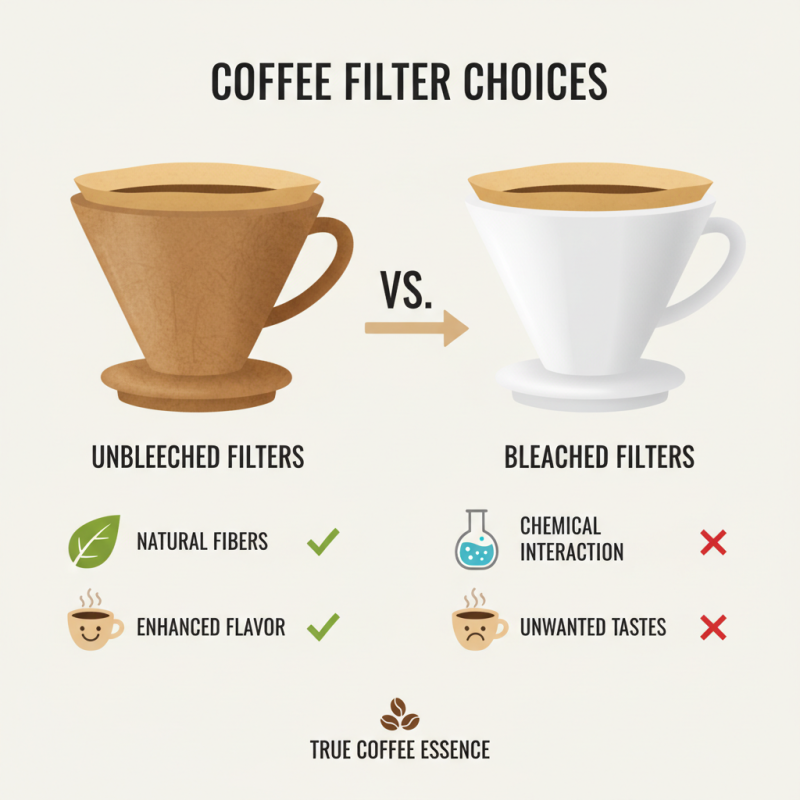
When choosing coffee filter paper, several factors affect the brewing process. The material is crucial. Unbleached filters contain natural fibers, ensuring minimal chemical interaction with coffee. This can enhance flavor, allowing the coffee's true essence to shine. Conversely, bleached filters may introduce unwanted tastes.
The thickness of the paper is another important consideration. Thicker filters can retain more oils and fine particles, leading to a richer cup. However, they may slow down brewing time. According to industry reports, a thicker filter can increase extraction efficiency by up to 20%. You might need to experiment with different thicknesses to find your ideal brew.
Consider the size of the filter too. Filters come in various sizes, impacting the amount of coffee you can brew at once. A smaller filter might restrict water flow, causing over-extraction and bitterness. A larger one could lead to weaker coffee if the brew time isn't adjusted. Finding the right fit is a balance that many coffee enthusiasts struggle with. This trial and error is part of the journey to perfecting your cup, and sometimes, the flaws can lead to surprising discoveries.
How Filter Paper Thickness Affects Coffee Flavor
When brewing coffee, the choice of filter paper can significantly impact the final flavor. Filter paper thickness plays a pivotal role in how oils and fines are extracted. Thicker paper often means less permeable, which can lead to a slower brew. This slow extraction may enhance acidity and brightness in your coffee. On the other hand, thinner paper allows for quicker extraction but might result in a less flavorful cup.
Tips: Experiment with different thicknesses. Try a thinner filter one day and a thicker one the next. Notice the difference in taste. Adjust your brewing time accordingly. If your coffee feels weak, perhaps a thicker filter is needed next time.
Not all filter papers are created equal. Each brand can vary in thickness, even if they appear similar. These subtle differences can lead to unexpected results. It’s not uncommon to have a brew day that feels off. Sometimes, it’s worth revisiting your choice of filter paper. If your coffee lacks body, reflect on whether your filter could be the culprit.
Sustainable Options: Eco-Friendly Coffee Filter Papers
When it comes to brewing that perfect cup of coffee, the choice of filter paper matters significantly. Recent studies indicate that over 50% of coffee lovers are now considering eco-friendly options for their brewing needs. Traditional coffee filters are often made from trees, contributing to deforestation. In contrast, sustainable coffee filter papers are designed to reduce environmental impact while still delivering quality coffee.
One interesting alternative is unbleached paper filters made from recycled materials. These filters minimize chemical usage, aligning with the growing consumer demand for sustainability. Additionally, innovations in bamboo filter papers have emerged. Bamboo is a fast-growing plant that absorbs carbon dioxide, making it a viable eco-friendly option. In fact, some reports suggest that switching to bamboo filters can reduce your carbon footprint by nearly 25% per cup.
However, shifting to sustainable options poses challenges. For one, some users observe a slight taste difference when switching from traditional filters. Others find that eco-friendly filters can clog more easily, leading to brewing inconsistencies. Consumers should assess their preferences and be prepared for some trial and error. The transition to sustainable filter papers isn't without its bumps, but supporting eco-friendly practices matters now more than ever.






 Jimmy
Jimmy Eric
Eric