Why You Should Choose the Right Coffee Filter Paper for Perfect Brew?
Choosing the right Coffee Filter Paper is essential for achieving the perfect brew. Expert barista Emily Rodriguez emphasizes, "The right filter changes everything." Many coffee lovers underestimate this simple yet crucial component of brewing.
Different types of Coffee Filter Paper can significantly affect flavor profiles and extraction methods. For instance, bleached filters might produce a cleaner cup, while unbleached ones offer a more robust taste. However, some users may struggle with the selection process. They often overlook the impact of their choice on the final cup of coffee.
Finding the right Coffee Filter Paper requires some trial and error. It's essential to consider your coffee beans and brewing method. Not every filter works well with every type of coffee. Experimentation can lead to surprising results or frustrating experiences. Ultimately, the choice of Coffee Filter Paper plays a pivotal role in your coffee journey.
Understanding Coffee Filter Paper Types: A Guide to Material Choices
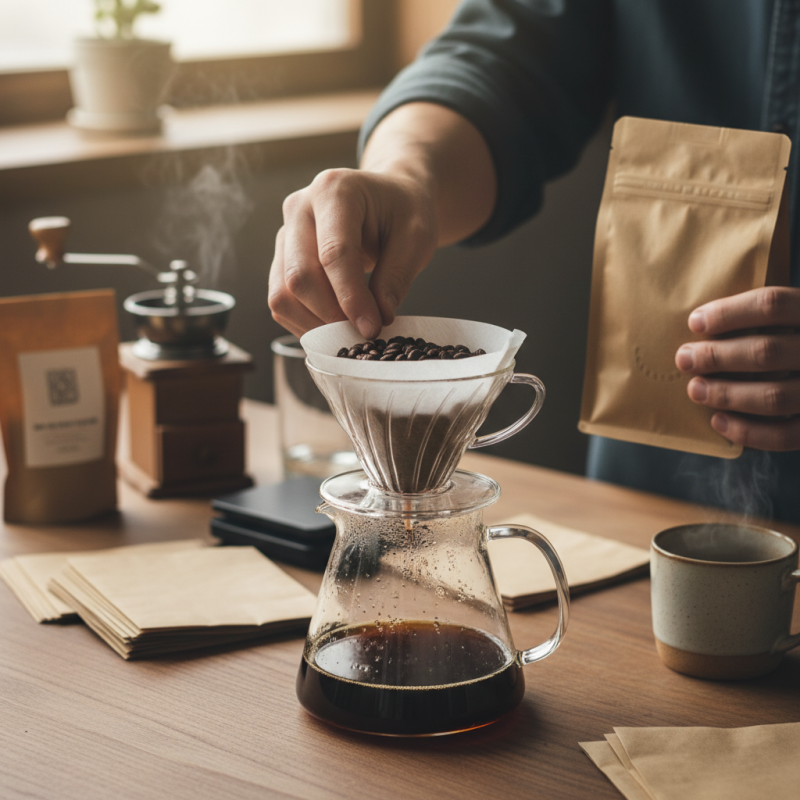
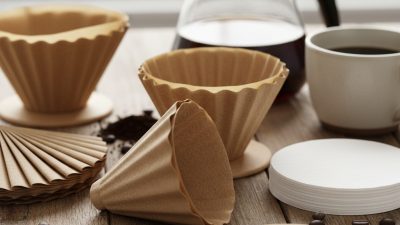
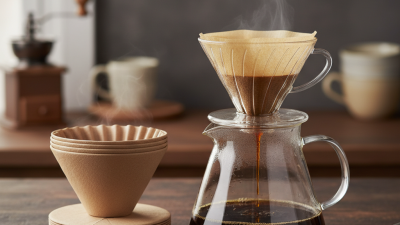
Choosing the right coffee filter paper can significantly impact your brewing experience. Various materials are available, each affecting flavor and aroma. Common types include paper, metal, and cloth filters. Paper filters are popular for their convenience and ability to capture fine coffee grounds.
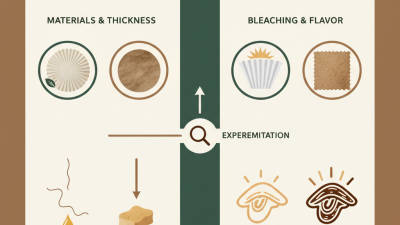
With paper filters, you can choose between bleached and unbleached options. Bleached filters are white and may have a slightly cleaner taste. Unbleached filters, on the other hand, provide a more earthy flavor. It's essential to think about what you prefer. Do you enjoy bright notes or a richer profile? Reflect on your coffee journey.
Tip: Experiment with different filter materials. Switch between paper and metal filters to find which tastes best for you. Sometimes, using a cloth filter can add a unique charm to your brew.
If you find your coffee often bitter or watery, consider adjusting your filter choice. A finer filter might trap too many oils, while a too coarse one may let through bitter compounds. Each brew is a chance to learn and refine your taste.
Why You Should Choose the Right Coffee Filter Paper for Perfect Brew?
| Filter Type |
Material |
Flavor Impact |
Cost |
Environmental Impact |
| Cone Filters |
Paper |
Mild |
Low |
Moderate |
| Flat Bottom Filters |
Paper |
Balanced |
Low |
Moderate |
| Metal Filters |
Stainless Steel |
Bold |
High |
Low |
| Cloth Filters |
Cotton |
Rich |
Moderate |
Moderate |
| Disposable Filters |
Biodegradable Paper |
Clean |
Low |
High |
Impact of Filter Paper Thickness on Coffee Extraction and Flavor Profiles
Choosing the right coffee filter paper can change your brewing game. The thickness of the filter paper plays a crucial role in coffee extraction. Thicker filters tend to absorb more oils and fine particles. This absorption can lead to a cleaner cup with a lighter body. Yet, it may strip away some flavor nuances.
On the other hand, thinner filters allow oils and micro-particles to pass through. This results in a fuller body and richer flavor. However, they might also let more sediment seep into your cup. The balance between clarity and richness is not always easy to achieve. You may find yourself questioning which type delivers your ideal coffee experience.
Experimenting is essential. Every coffee enthusiast has a unique taste preference. What works for one person might not suit another. Take time to brew with different filter types. Document your results. Reflect on how each filter affects your coffee's taste. It’s all about finding that perfect balance for your palate.
Environmental Considerations: Biodegradability of Different Filter Options
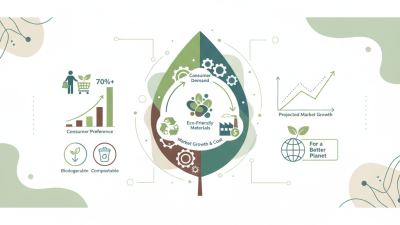
Choosing the right coffee filter paper goes beyond just taste. It impacts our environment, too. Many consumers overlook the biodegradability of filter options. Most common filters, such as bleached paper, take years to break down. A 2021 study showed that 75% of these filters end up in landfills. Their decomposition can release harmful substances into the soil.
Conversely, unbleached filters and those made from sustainable materials can significantly reduce waste. According to industry data, biodegradable filters can break down in as little as 90 days. Yet, some users still question their efficiency compared to traditional filters. They worry about taste or brewing consistency. This hesitation often leads to continued use of less sustainable options.
Choosing biodegradable filters doesn't just benefit the planet; it encourages a shift toward sustainable living. It's crucial to reflect on our coffee habits. Are we prioritizing flavor over environmental impact? The stakes are high. Every small change counts, but only if we commit to it.
Cost Analysis: Comparing Price and Quality of Filter Paper Brands
When choosing coffee filter paper, quality and cost greatly influence your brewing experience. Some lower-priced options may seem attractive at first glance. However, these filters can lead to clogs or poor extraction. This means you might end up with bitter coffee or a mess to clean.
Investing in high-quality filter paper often pays off in the long run. A good filter allows for a clean brew, preserving the coffee's flavors. Quality papers often have better pore sizes, letting essential oils pass through while keeping undesirable residue trapped. But beware—expensive brands don't always guarantee superior results. Some might charge a premium that does not reflect improved flavor.
It’s worth trying different brands to find the best fit for your tastes and budget. Pay attention to how each type affects your coffee's aroma and taste. A little experimentation can reveal which filters enhance your brew rather than detracting from it. Ultimately, the right choice is both a science and an art. It requires you to reflect on your preferences to achieve that perfect cup.
Expert Recommendations: Choosing Filter Paper for Various Brewing Methods
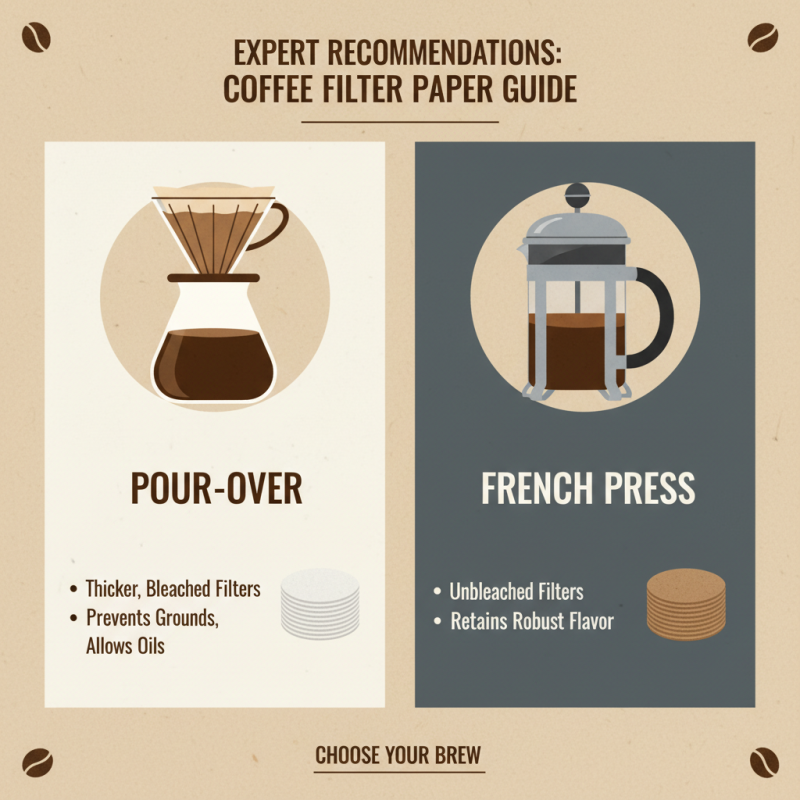
Choosing the right coffee filter paper is crucial for your brewing experience. Different brewing methods demand different types of filter paper. For instance, pour-over brewing often benefits from thicker, bleached filters. These prevent grounds from slipping through while allowing oils to pass. In contrast, French press lovers might prefer unbleached filters. These filters help retain the robust flavor that defines this brewing technique.
For espresso machines, fine filters are a must. They ensure a rich crema and enhance extraction. However, using too fine a filter can lead to clogs. This might frustrate you as a barista. Don't underestimate the importance of material. Compostable options can be eco-friendly but may not provide the same clarity. It's essential to test different filters and see what works best for your taste.
Not everyone considers the filtration process. Some filters remove essential oils. Others might alter the coffee's flavor profile. Reflecting on your brew can lead to a better understanding of how filters affect taste. Perhaps you find that a certain filter makes your coffee too bitter. These insights can shape your future brews.



 Jimmy
Jimmy Eric
Eric