Why Choose Wax Paper Food Wrapping for Sustainable Packaging?
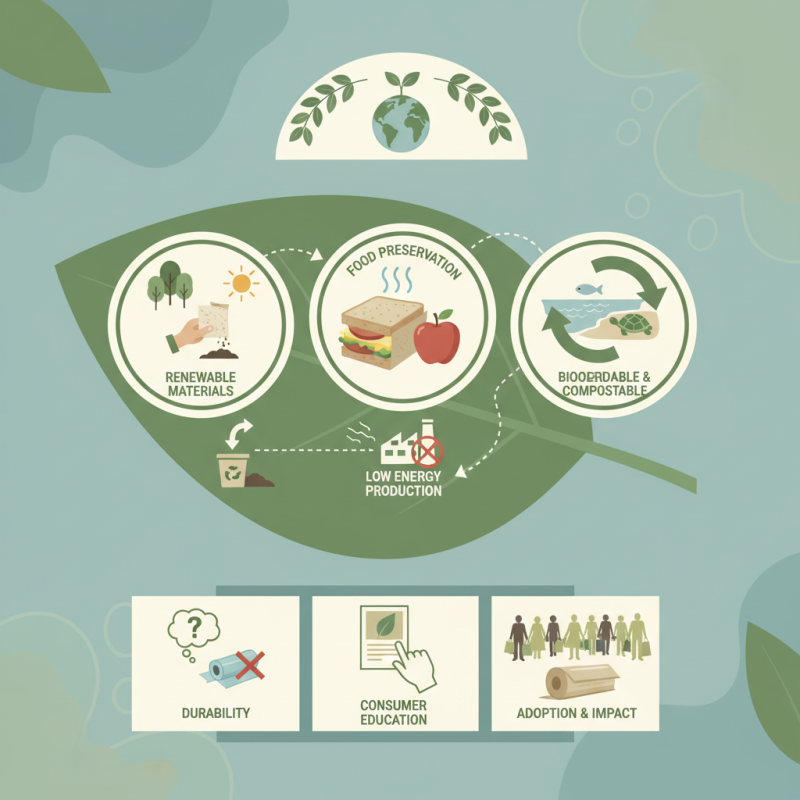
In today's world, the demand for sustainable packaging solutions is on the rise. Consumers are increasingly aware of the environmental impact of their choices. One alternative that stands out is Wax Paper Food Wrapping. This eco-friendly option combines practicality with sustainability. It is made from renewable materials and is compostable.
Wax paper has been used for decades in food preservation. Its ability to keep food fresh while being biodegradable makes it appealing. Many people still overlook Wax Paper Food Wrapping, even though it offers numerous benefits over plastic. When wrapped in wax paper, sandwiches and snacks retain flavor and moisture. This product doesn’t require energy-consuming processes for production.
However, there are challenges. Some may question its durability compared to plastic wraps. Consumers need to be educated about proper usage. The transition to Wax Paper Food Wrapping could take time. Encouraging more people to adopt this method is essential. It may seem small, but each choice adds up in the fight against pollution. The journey toward sustainability starts with these mindful decisions.
The Environmental Benefits of Wax Paper in Food Packaging
Wax paper has emerged as a viable alternative in food packaging, primarily due to its
environmental benefits. According to the U.S. Environmental Protection Agency, food packaging accounts for approximately
29% of municipal solid waste. Switching to wax paper can help reduce this significant waste.
Unlike plastic, which takes hundreds of years to decompose, wax paper is biodegradable and compostable. This means it can
break down naturally, enriching the soil instead of polluting it.
In addition to being biodegradable, wax paper is often made from renewable resources. A report from the World Wildlife Fund
highlights the importance of using materials that do not deplete our natural resources. Many wax papers are sourced from sustainable forestry practices,
ensuring that the production process supports environmental conservation. Yet, it’s essential to consider sourcing carefully; not all wax papers are created equal.
Some may incorporate synthetic waxes that undermine their eco-friendly appeal.
Reducing our reliance on plastic is crucial for our planet's health. By opting for wax paper, consumers can take a step toward
sustainability. However, the transition must be thoughtful. Not all applications are suitable for wax paper.
In some cases, its moisture-resistance may not meet specific food safety requirements. Finding the right balance requires ongoing
education and awareness, ensuring that the eco-friendly choice does not compromise
food safety.
Comparison of Wax Paper with Conventional Packaging Materials
Wax paper food wrapping has gained attention as a sustainable packaging alternative. Unlike conventional plastics, which take hundreds of years to decompose, wax paper is biodegradable and compostable. A study by the Environmental Protection Agency (EPA) highlights that conventional plastic packaging accounts for 30% of global waste. Wax paper can significantly reduce this footprint.
Conventional packaging materials, like plastic films, often contain harmful chemicals. Wax paper, made from renewable resources, is non-toxic and safer for food contact. It can maintain food freshness without releasing harmful substances. According to the World Economic Forum, adopting sustainable materials like wax paper can potentially cut global plastic waste in half by 2030.
Tip: Consider using wax paper for sandwiches or fresh produce. This not only helps the environment but also keeps your food intact.
Switching to wax paper is a simple choice. It supports
eco-friendliness while offering effective food protection. However, not all wax paper is created equal. Some may still contain paraffin wax, which could be derived from petroleum. Be mindful and choose products made from natural waxes.
Tip: Check the product labels. Look for biodegradable or compostable certifications to ensure you are making a truly sustainable choice.
Applications of Wax Paper in the Food Industry
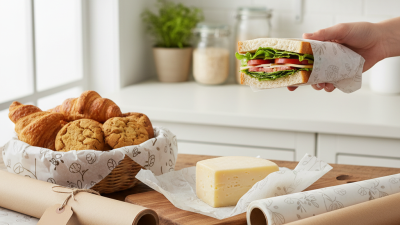
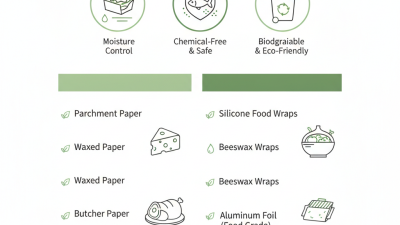
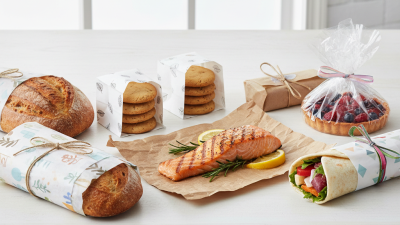
Wax paper is gaining popularity in the food industry for various applications. Its natural wax coating makes it moisture-resistant and an ideal choice for wrapping food. Bakeries often use wax paper to wrap goods like pastries and bread. This helps to maintain freshness while allowing the items to breathe.
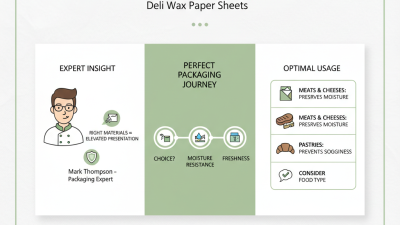
In delis and sandwich shops, wax paper serves as a versatile wrapper. It holds sandwiches together while preventing grease from seeping through. This not only keeps hands clean but also enhances the eating experience. Many caterers prefer wax paper for food presentations, as it adds a rustic charm.
While wax paper is useful, it’s not perfect. Over time, the wax can wear off, leading to moisture absorption. This might affect the food's quality if it isn’t consumed quickly. It’s essential to consider these factors when choosing wax paper for food packaging. Understanding its limitations can help businesses make informed decisions.
Benefits of Wax Paper for Sustainable Food Packaging
Consumer Attitudes Towards Sustainable Packaging Solutions
As consumer awareness around environmental issues rises, sustainable packaging is gaining traction. A recent survey indicated that 74% of consumers consider sustainable packaging when making purchase decisions. This shift reflects a growing preference for products that contribute positively to the planet.
Wax paper wrapping presents a compelling solution in this context. Unlike traditional plastic, it is biodegradable, posing a lesser environmental threat. However, challenges remain in consumer perception. Many still associate sustainable options with higher costs; research shows that 65% of consumers are willing to pay more for green packaging. Yet, not all are convinced. Numerous people question the effectiveness of alternative materials in food preservation.
The transition towards sustainable options requires not just acceptance but understanding. A study found that 60% of consumers lack awareness about the benefits of using materials like wax paper. This gap reveals a need for more education around the long-term advantages, both for health and the environment. Engaging consumers in discussions can help shift these perceptions.
Guidelines for Proper Use and Disposal of Wax Paper Products
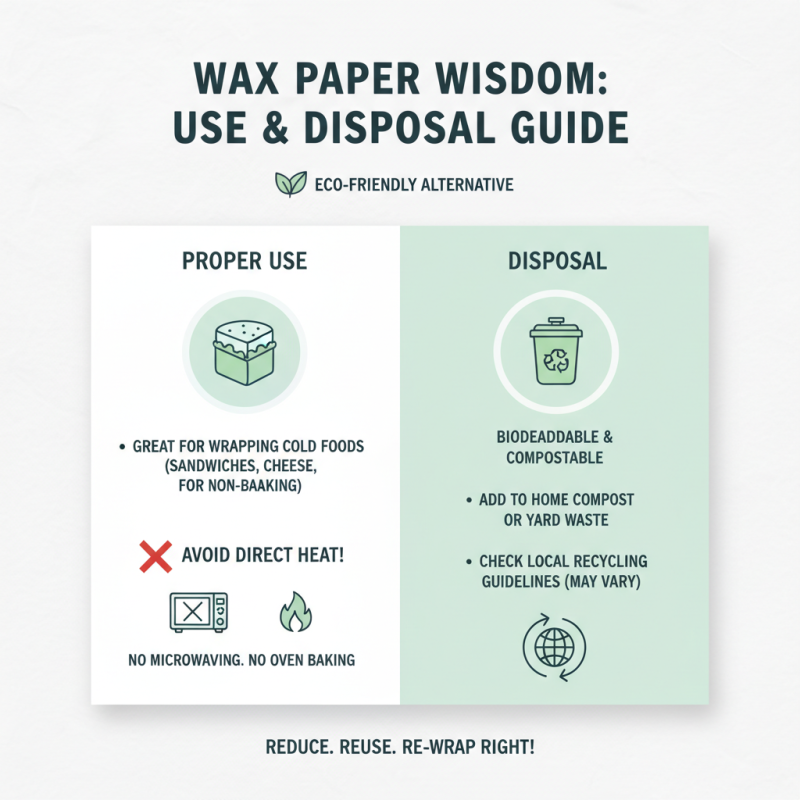
Wax paper is an eco-friendly alternative to traditional plastic wrapping. Its benefits extend beyond sustainability; proper use is crucial for maximizing its advantages. When using wax paper, ensure that it is not exposed to direct heat. This material is not suitable for microwaving or baking. Understanding its limitations helps in preventing unwanted contamination.
For disposal, wax paper presents a more responsible choice. Studies suggest that about 30% of food packaging ends up in landfills. Unlike most plastics, wax paper is compostable. Dispose of it in compost bins instead of regular trash. This can help reduce landfill waste significantly. Remember that the paper should be free from excess food residues to enhance composting efficiency.
However, it's essential to be aware of regional composting capabilities. Some compost facilities may not accept wax paper. Check local guidelines to ensure proper disposal. Educating consumers about the correct use and disposal of wax paper can enhance its sustainability benefits. The more people are aware, the better our collective impact on the environment will be.



 Jimmy
Jimmy Eric
Eric