Leave Your Message

How to Choose the Best Coffee Filter Paper for Your Brewing Needs?

Choosing the right coffee filter paper can significantly affect your brewing experience. Renowned coffee expert James Hoffmann once said, “The filter you choose can change everything you taste.” This highlights the importance of understanding various options available in the market.

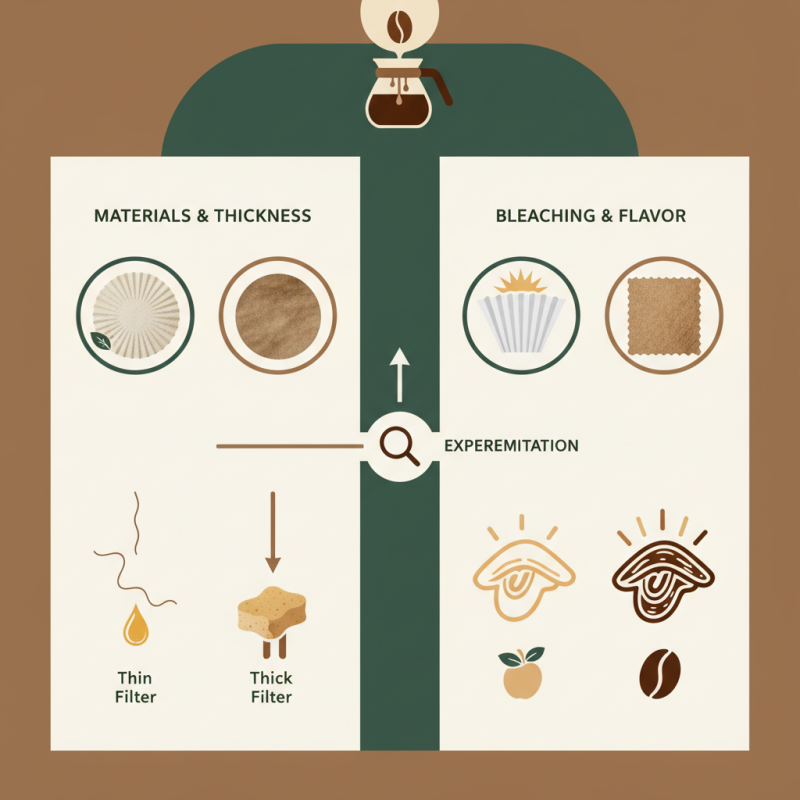
Coffee filter paper comes in a variety of materials and sizes. Each type influences flavor and brewing time. For instance, some filter papers are bleached, while others are unbleached. The choice impacts both the environment and the taste of your coffee. Many people overlook this detail. They assume all coffee filters are the same.

Exploring your options is essential. A thin filter might let more oils through, altering your cup's flavor. Thicker papers absorb oils, affecting aroma as well. However, many overlook these variations. It can be confusing for a new coffee enthusiast. Understanding the nuances of coffee filter paper can lead to a richer coffee experience.
How to Choose the Best Coffee Filter Paper for Your Brewing Needs?

Understanding Different Types of Coffee Filter Paper Available

When choosing coffee filter paper, understanding the options is crucial. There are various types available. The most common are paper and metal filters. Each has its unique characteristics, affecting the flavor and strength of your brew.

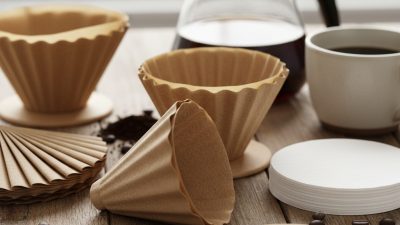
Paper filters come in bleached and unbleached varieties. Bleached filters are white and have a neutral flavor. Unbleached filters provide a more natural taste. Metal filters are reusable and don't absorb oils. They produce a richer, fuller-bodied coffee. However, they require regular cleaning to avoid residue build-up.

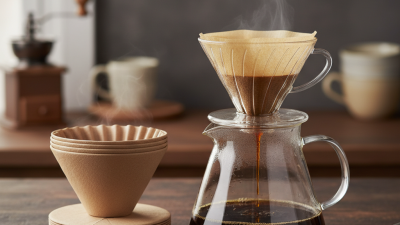
Consider the brewing method as well. Pour-over and drip coffee makers often use flat-bottom or cone-shaped filters. Each shape influences the flow rate of water, impacting extraction. It’s essential to experiment. Finding the right filter can prove tricky. A slight change can alter the flavor profile significantly. Choose wisely. Your coffee experience depends on it.
Evaluating Acidity and Flavor Impact of Coffee Filter Papers

When choosing coffee filter paper, acidity and flavor impact are crucial. Different filter papers can significantly alter the taste profile of your brew. For instance, a study found that bleached filters often result in a cleaner, lighter flavor. In contrast, unbleached filters provide a richer, fuller taste. This difference arises from the materials used in manufacturing the filters.

The acidity of coffee can also fluctuate based on the filter type. Reports indicate that paper filters can absorb some oils and fines, influencing the acidity levels perceived in the cup. A 2022 study showed that coffee brewed with unbleached filters had about 15% more perceived acidity. However, the trade-off may be the unwanted sediment in your cup. It’s essential to weigh these factors when selecting a filter.

Moreover, the thickness of the paper can affect extraction. Thinner filters allow more oils and flavor compounds to pass through. Meanwhile, thicker filters may trap these essential elements. There is also the consideration of how often to change the filters. Reusing filters can introduce undesirable flavors, which might not pair well with your preferred brew.

How to Choose the Best Coffee Filter Paper for Your Brewing Needs?

Filter Type Material Acidity Level Flavor Impact Recommended Brew Method
Bleached Paper Paper Low Bright and Clean Drip Brew
Unbleached Paper Paper Medium Full-bodied Pour Over
Metal Mesh Stainless Steel High Rich and Bold French Press
Cloth Filter Cotton Medium-Low Smooth and Balanced Cold Brew
Biodegradable Plant-Based Fiber Low Clean and Neutral Aeropress

Size and Shape Considerations for Your Brewing Device

How to Choose the Best Coffee Filter Paper for Your Brewing Needs?

When selecting coffee filter paper, size and shape truly matter. Different brewing devices require specific filters. A cone-shaped filter works best for pour-over methods. Flat-bottom filters suit drip machines. Ensuring the right fit enhances extraction.

Consider your brewing method. If using a French press, you don’t need a filter at all. However, if you’re brewing espresso, opt for a thicker, stronger filter. It can prevent fine coffee grounds from ending up in your cup. This makes a big difference in the final taste.

Tips: Always measure your filter size before purchasing. Overly large filters will result in wasted coffee and flavors. Similarly, a small filter can lead to overflow issues. For optimal results, try using unbleached filters for a more natural taste. Remember, each filter can slightly change your coffee’s flavor profile, so don’t hesitate to experiment a bit.

Comparing Reusable vs. Disposable Coffee Filter Options

How to Choose the Best Coffee Filter Paper for Your Brewing Needs?

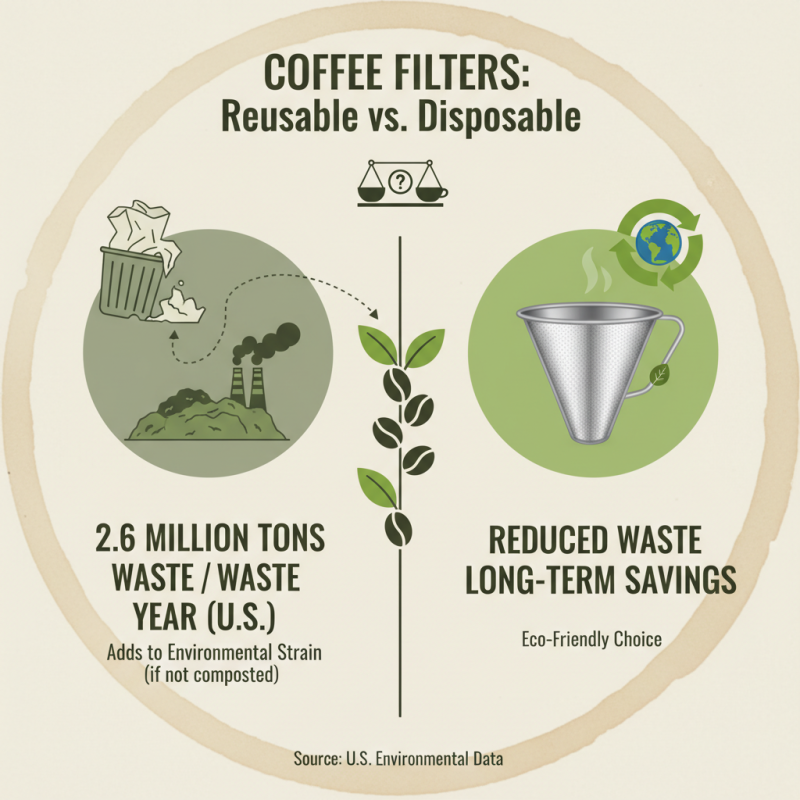
When choosing between reusable and disposable coffee filters, it's essential to consider coffee quality and environmental impact. Disposable filters are convenient, but their long-term effects on waste can be concerning. Research indicates that around 2.6 million tons of coffee filter waste are produced annually in the U.S. alone. Using paper filters adds to environmental strain, especially if not composted properly.

On the other hand, reusable filters often use materials like stainless steel or cloth. A study shows that switching to reusable options can reduce waste significantly. A household using a reusable filter could save over 1,000 paper filters each year. However, some users find that reusable filters require more maintenance and cleaning. They can also influence flavor differently than paper filters. An ideal cup of coffee is the goal, but achieving this may take time and attention.

Ultimately, your choice should align with your brewing style and lifestyle. If you prioritize convenience and cleanliness, disposable filters might appeal more. However, if sustainability is key for you, reusable filters are worth considering. Balancing taste, effort, and environmental responsibility is crucial in this decision-making process.

Tips for Properly Storing and Maintaining Coffee Filter Paper

When it comes to coffee, filter paper plays a crucial role. Properly storing and maintaining your coffee filter paper can greatly enhance your brewing experience. According to industry reports, 25% of coffee drinkers neglect this aspect, impacting the flavor and aroma of their brew.

Store your filter paper in a cool, dry place. Exposure to moisture can lead to mold growth. Light can also degrade the quality of your filters. Aim for a dark container or a sealed bag. This helps preserve their integrity. If you notice any off smells, it's time to replace the filters.

Regularly check the expiration date of your filter paper. Some types can degrade over time. Using expired filters may cause unpleasant flavors. Additionally, consider rotating your stock. Use older filters first to avoid waste. Maintaining these simple practices can ensure that every cup of coffee is enjoyable and flavorful.

How to Choose the Best Coffee Filter Paper for Your Brewing Needs

This chart represents various characteristics of coffee filter paper that can help you choose the best option for your brewing needs. The data includes paper thickness, porosity, acidity, and the cost per package, key factors that affect the quality and flavor of your coffee.