Leave Your Message

How to Choose the Best Parchment Paper Sheets?

Choosing the right Parchment Paper Sheets can change how confidently you bake, roast, and prepare delicate foods. The wrong sheet may curl, tear, stick, or darken too quickly. The right one lies flat, releases food cleanly, and leaves a quieter cleanup.

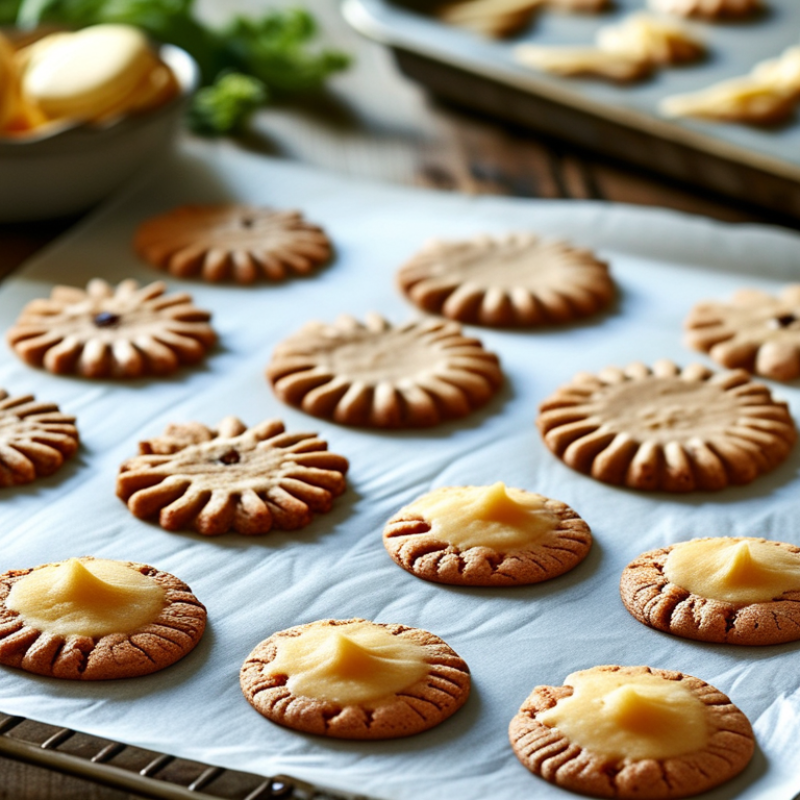
Rose Levy Beranbaum, an award-winning baking authority, has described parchment paper as “a baker’s best friend.” Her observation reflects practical experience. A reliable sheet protects fragile macarons, keeps cookies from welding to a metal tray, and helps pastry slide onto a cooling rack. Still, that phrase can oversimplify the decision. Not every product performs equally well.

Start with the paper’s intended temperature range. Check whether it is bleached or unbleached, and inspect its thickness. A thin sheet may suit cookies, while a stronger roll helps with bread dough or roasting vegetables. Flat, pre-cut Parchment Paper Sheets can save time in a busy kitchen. They also reduce awkward folds over a standard baking pan. Small details matter.

Look for food-grade labeling and clear manufacturer information. Avoid assuming that a higher price guarantees better performance. It does not always. Test one sheet with your usual pan, oven setting, and recipe. Notice curling, browning, odor, and release. That simple trial reveals more than packaging claims.

There is also a sustainability question. Choose responsibly sourced paper when credible information is available, and use each sheet only as long as hygiene and quality allow. Parchment is useful, but it is not magic. Your pan, temperature, and handling still matter.
How to Choose the Best Parchment Paper Sheets?

Understand Parchment Paper Types and Their Intended Uses

Choosing parchment paper sheets starts with understanding their type and intended use. Bleached sheets are white and look clean on delicate pastries. Unbleached sheets are brown and usually feel more natural. Both can support baking when properly coated and used within the stated temperature limit. Silicone-coated parchment releases cookies, bread, and roasted vegetables with little oil. Pre-cut sheets save time, while rolls offer flexibility for unusual pans.

Tips: Match the sheet to the task. Use flat sheets for cookies and pastries. Choose larger sheets for roasting vegetables or fish. Check the package temperature rating before heating. Parchment is not the same as wax paper. Never place it directly over an open flame or under intense broiler heat unless the instructions clearly permit it.

In my kitchen, I once chose a small sheet for a wide tray. The exposed edges browned quickly and curled toward the heating element. It was a useful mistake. Measure the pan before buying sheets, and leave enough paper for easy lifting. For sticky foods, silicone-coated parchment usually performs better than thin, uncoated paper. For very wet mixtures, parchment may wrinkle and affect the shape. A light crease can help it sit flat. Still, it may not look perfect. Reliable selection depends on the food, pan size, coating, and heat level, not color alone.
Compare Size, Shape, Thickness, and Heat Resistance

How to Choose the Best Parchment Paper Sheets?

Size and shape should match the pan, not your guess. Measure the base first, then leave a small border. A round sheet suits cake tins, while square sheets fold neatly around trays. Oversized paper can touch heating elements and darken quickly. According to USDA FSIS guidance, poultry reaches a safe internal temperature at 165°F, but this does not mean parchment can tolerate every oven setting. Check the package rating carefully.

Thickness affects handling and tear resistance. A heavier sheet usually stays flatter under wet dough and oily vegetables. However, extra thickness may reduce folding accuracy. Paper weight is often listed in grams per square metre, or gsm. Compare this number only within similar product types. FDA 21 CFR 176.170 and BfR Recommendation XXXVI show that food-contact paper must meet specific compositional and migration requirements. Compliance evidence matters more than a smooth appearance.

Tips: Choose a sheet at least 1 inch wider than the pan. For cookies, use flat sheets with moderate thickness. For loaf pans, test one folded liner before baking several. Keep paper away from open flames and heating coils. I once trusted a “high-heat” label without checking its exact limit. The edges curled and the corners browned. That small mistake changed how I compare temperature ratings. Smithers’ 2024 paper-packaging outlook also highlights barrier performance and converting quality as important specification factors, not decorative extras.

How to Choose the Best Parchment Paper Sheets? — Compare Size, Shape, Thickness, and Heat Resistance

Sheet Type Typical Size Shape Typical Thickness Typical Heat Resistance Best For Key Selection Consideration
Small Baking Sheet 9 × 13 in
(23 × 33 cm)
Rectangular 35–45 gsm
(approximately 0.05–0.07 mm)
Up to approximately 420–450°F
(215–232°C)
Small cookie batches, brownies, toaster ovens, and compact baking trays Choose a sheet slightly smaller than the pan so the edges do not touch the oven walls or heating elements.
Standard Baking Sheet 12 × 16 in
(30 × 41 cm)
Rectangular 35–45 gsm
(approximately 0.05–0.07 mm)
Up to approximately 420–450°F
(215–232°C)
Everyday cookies, roasted vegetables, pastries, and standard rimmed baking sheets
Large Baking Sheet 16 × 24 in
(41 × 61 cm)
Rectangular 40–50 gsm
(approximately 0.06–0.08 mm)
Up to approximately 420–450°F
(215–232°C)
Commercial-size trays, large cookie batches, catering, and bulk food preparation Confirm the sheet fits inside the oven with adequate clearance; oversized paper should not extend beyond the pan.
Round Cake Liner 8 in diameter
(20 cm)
Round 35–45 gsm
(approximately 0.05–0.07 mm)
Up to approximately 420–450°F
(215–232°C)
Layer cakes, sponge cakes, cheesecakes, and 8-inch round cake pans Match the liner diameter to the pan base; a slightly smaller liner helps prevent folded edges and batter leakage.
Round Cake Liner 10 in diameter
(25 cm)
Round 35–45 gsm
(approximately 0.05–0.07 mm)
Up to approximately 420–450°F
(215–232°C)
Large layer cakes, tart pans, and 10-inch springform pans Measure the inside base of the pan rather than relying only on the nominal pan size.
Pre-Cut Muffin or Cupcake Liner Approximately 2–3 in diameter
(5–7.5 cm)
Round or fluted 30–45 gsm
(approximately 0.04–0.07 mm)
Often rated up to approximately 375–425°F
(190–218°C)
Muffins, cupcakes, mini pies, and individual baked portions Check the base diameter and wall height so the liner sits securely in the cavity without collapsing.
Heavy-Duty Roasting Sheet 12 × 16 in or larger
(30 × 41 cm or larger)
Rectangular 45–60 gsm
(approximately 0.07–0.09 mm)
Up to approximately 425–450°F
(218–232°C)
Roasting vegetables, fish, poultry, sticky foods, and heavier oven preparation Greater basis weight can improve handling and tear resistance, but it does not automatically mean a higher temperature rating.
Unbleached Parchment Sheet Commonly 12 × 16 in
(30 × 41 cm)
Rectangular 35–50 gsm
(approximately 0.05–0.08 mm)
Typically up to approximately 420–450°F
(215–232°C)
Baking, roasting, food wrapping, and kitchens that prefer a natural brown appearance Color does not determine performance; verify the product’s stated temperature limit and food-contact suitability.

Important: Heat-resistance values are typical ranges for silicone-coated baking parchment. Always follow the temperature limit printed on the packaging, keep parchment away from direct flames and heating elements, and do not use it under a broiler unless the manufacturer specifically permits it.

Check Coating Materials and Food Safety Standards

How to Choose the Best Parchment Paper Sheets?

The coating often determines how parchment paper performs in a real kitchen. Most baking sheets use silicone, which helps food release from the surface. A thin, even coating should feel smooth, not waxy or greasy. Hold a sheet under light and check for patchy areas, wrinkles, or exposed fibers. These small flaws may cause sticking around cookies or roasted vegetables. I have found that heavily coated paper can resist heat well, but it may fold poorly and feel less natural.

Food safety deserves closer attention than appearance. Look for clear wording about direct food contact, maximum temperature, and intended use. Reliable products should provide compliance information for relevant food-contact rules in your market. A supplier may also offer migration-test results or a declaration of compliance. These documents matter more than vague claims such as “safe” or “non-toxic.” Check whether the paper is free from substances restricted by local regulations, including certain fluorinated coatings. Standards differ by region.

Test one sheet before buying in bulk. Place it on a tray, bake at the listed temperature, and inspect its color, smell, and surface afterward. It should not smoke, curl sharply, or leave residue on food. Be careful with broilers and direct flames. I once trusted a smooth-looking sheet without checking its temperature limit. That was a poor choice. Packaging can also be incomplete, so asking the seller for technical documents is reasonable.

How to Choose the Best Parchment Paper Sheets?

Compare the representative upper-use temperatures commonly stated for different parchment paper constructions, then verify the exact product specification and food-contact documentation.

What to check before purchase

  • Confirm whether the sheet uses silicone, Quilon, or another coating material.
  • Check the stated maximum oven temperature and whether it applies to direct heating, grilling, or microwave use.
  • Look for food-contact compliance information such as FDA 21 CFR 176.170/176.180, EU Regulation (EC) No. 1935/2004, and applicable good manufacturing practice requirements.
  • Do not allow parchment to touch heating elements, open flames, or the oven wall.

Temperature figures are representative reference values commonly specified for these paper constructions, not universal legal limits. Always follow the instructions printed on the specific product.

Match Paper Features to Baking, Cooking, or Crafting Needs

How to Choose the Best Parchment Paper Sheets?

Match the sheet to the task, not the recipe alone. For baking, choose food-grade parchment with even silicone coating and suitable heat resistance. Thin sheets may wrinkle beneath cookies, while heavier sheets stay flatter on trays. The U.S. Food and Drug Administration lists paper used with fatty and aqueous foods under 21 CFR 176.170. Check the package for intended food contact and temperature guidance.

Cooking needs different performance. A stronger sheet helps wrap fish, vegetables, or dumplings without tearing around wet edges. For roasting, a pre-cut sheet can reduce trimming and improve pan coverage. This saves time. However, parchment is not a substitute for a lid or sealed cooking vessel. Follow the oven manufacturer’s instructions, especially near heating elements.

Crafting requires another standard. Look for clean cutting, low curling, and a surface that releases glue or clay easily. Baking sheets may work for templates, but food-contact suitability does not guarantee craft durability. FAO’s 2023 forestry statistics recorded roughly 400 million tonnes of global paper and paperboard production, showing the scale of paper use, not proof of equal quality. I sometimes choose thicker sheets too quickly; they can waste material during small projects. Test one sheet first. Check tear resistance, coating feel, and actual fit before buying a full pack.

Evaluate Packaging, Storage, Cost, and Environmental Impact

When choosing parchment paper sheets, inspect the packaging before admiring the paper. In my kitchen trials, flat cartons protected sheets better than thin plastic sleeves. Bent corners caused uneven baking and wasted several sheets. Look for a tight, moisture-resistant package with clear sheet dimensions and quantity. A resealable design helps, but it should not create excessive plastic waste. Packaging labels should also state intended food-contact use and basic storage guidance.

Storage affects performance more than many buyers expect. Keep parchment sheets in a cool, dry cabinet away from steam, sunlight, and strong odors. A drawer prevents curling and protects the edges. Do not place heavy pans on top. I once stored sheets beside a dishwasher, and the paper absorbed moisture. The result was frustrating. It tore during folding. This experience reminded me that product quality cannot correct poor storage.

Cost deserves a practical calculation. Compare the price per usable sheet, not only the package price. Oversized sheets may reduce waste when lining large trays. Smaller sheets can be cheaper for cookies or small dishes. Environmental impact is harder to judge. Choose the right size to reduce offcuts, and avoid buying more than your household can use. Check whether the package uses recycled material and whether local facilities accept it. “Compostable” claims may depend on industrial processing, so verify local guidance. There is no perfect choice. A slightly higher-priced option may create less waste, but only when its sheets fit your real cooking habits.