What is Coffee Filter Paper and How to Choose the Best?
When brewing coffee, choosing the right Coffee Filter Paper can greatly affect the flavor. Many assume all filter papers are the same. However, that’s not true. Different types impact extraction differently.
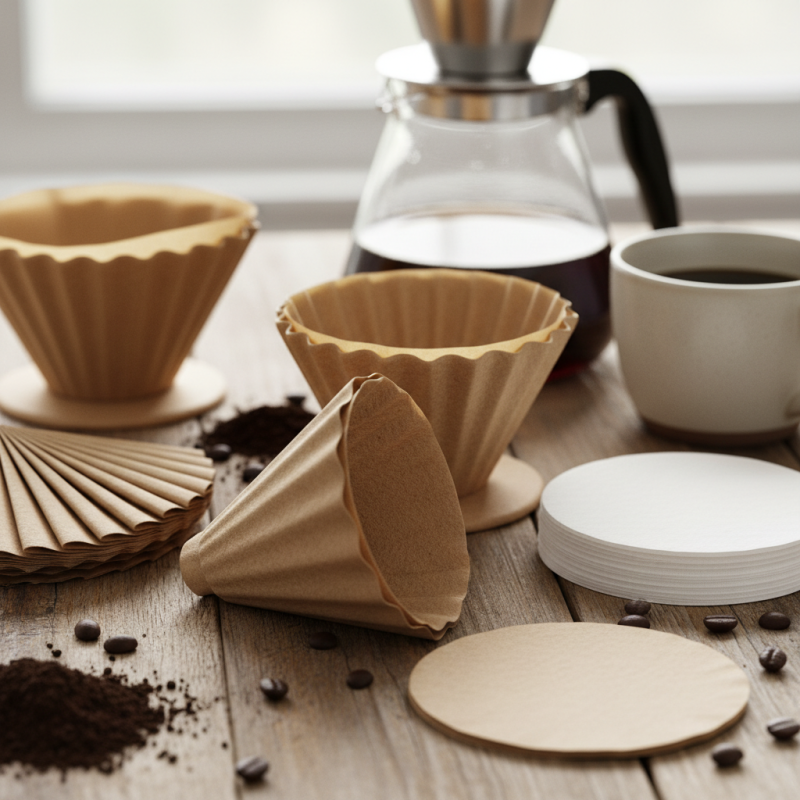
Coffee Filter Paper comes in various materials, sizes, and shapes. Some are bleached, while others are unbleached. The material affects the taste. For example, unbleached filters retain more oils, resulting in a richer flavor profile.
Think about your coffee-drinking habits. Do you prefer a clean, crisp taste, or a bold and rich brew? Reflecting on this can help you make the right choice. Often, people overlook this detail, assuming all filters will work. But, in reality, it’s an essential step in the coffee-making process. The right Coffee Filter Paper enhances your overall experience.
What is Coffee Filter Paper?
Coffee filter paper plays a crucial role in the brewing process. It helps separate coffee grounds from the liquid, ensuring a smooth cup of coffee. Different types of filter papers exist, including bleached, unbleached, and metal filters. According to industry reports, nearly 70% of coffee drinkers prefer paper filters for their convenience and effectiveness.
The choice of coffee filter paper can significantly impact flavor. Unbleached filters often deliver a more natural taste. However, some users may find they require a bit more adjustment in brewing time. A report from the Specialty Coffee Association indicates that 58% of baristas recommend experimenting with various paper types to enhance brewing results. It’s common for enthusiasts to overlook these details, yet they influence the coffee's final profile.
Many people assume that all filter papers are the same, but this isn’t true. The thickness and absorbency vary. Thicker papers may take longer to brew. They can also absorb more oils, affecting flavor richness. It’s essential to reflect on these aspects, as they can lead to a better or worse coffee experience.
Types of Coffee Filter Paper Available on the Market
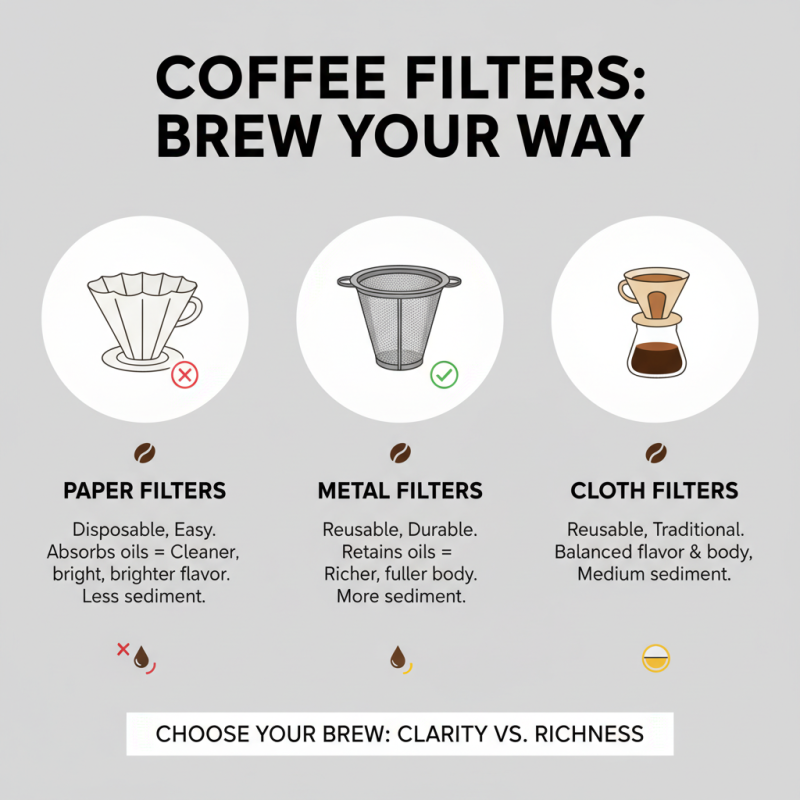
When it comes to coffee filter paper, there are several types to consider. Each type affects the flavor and brewing process. The most common options include paper filters, metal filters, and cloth filters. Paper filters are popular for their convenience. They are disposable and easy to use. However, some people find that they absorb oils and flavors, which can alter the taste.
Metal filters offer a different experience. They are reusable and do not absorb oils, allowing more flavor to come through. They can be tricky to clean, though, and not everyone enjoys the sediment left in their cup. Cloth filters are another alternative. They provide a middle ground but require proper maintenance. You must wash and dry them regularly. Neglecting this can lead to unwanted flavors.
Each type has its pros and cons. Your choice may depend on your brewing preferences and how much effort you're willing to put in. Experimenting with different materials can be an enlightening experience, but it might take time to find what you truly enjoy.
Key Factors to Consider When Choosing Coffee Filter Paper
Choosing the right coffee filter paper can enhance your brewing experience. There are several key factors to consider. The material is crucial. Common options include paper, metal, and cloth. Paper is often the go-to choice for its convenience. It's affordable and easy to find. However, you may notice a slight paper taste in your coffee.
Another important factor is the filter size. Different coffee makers require different sizes. A mismatched filter can lead to mess or poor extraction. Always check your coffee maker’s specifications. Compatibility is key to a smooth brewing process.
Consider the weight and thickness of the filter paper as well. Thicker paper can withstand higher temperatures and is less likely to tear. This can improve the quality of your brew. Some filters allow more oils through, altering the flavor profile. If you’re unsure, it may be helpful to try various options. Experimentation can lead to surprising results.
What is Coffee Filter Paper and How to Choose the Best? - Key Factors to Consider When Choosing Coffee Filter Paper
| Filter Type |
Material |
Grind Size Compatibility |
Brewing Method |
Eco-Friendliness |
| Paper Filters |
Wood Pulp |
Fine to Medium |
Drip Coffee Maker |
Moderate |
| Metal Filters |
Stainless Steel |
Coarse |
Pour Over |
High |
| Cloth Filters |
Cotton or Hemp |
Medium to Coarse |
French Press |
Very High |
| Bio-based Filters |
PLA (Polylactic Acid) |
Fine to Medium |
Pour Over |
Very High |
How to Use Coffee Filter Paper for Optimal Brewing
Using coffee filter paper might seem straightforward, but there are nuances to achieve the perfect brew. Start by choosing the right paper thickness. Thinner papers may let more oils pass through, affecting the taste. On the other hand, thicker filters can slow the flow, resulting in a richer flavor. Experiment with different types to find what suits your palate best.
When it’s time to brew, wetting the filter paper can make a difference. This step helps it stick to the dripper, preventing any unwanted creases. Additionally, it rinses away any lingering paper taste. Some people forget this part and end up with an off flavor. The water temperature plays a role too. Using water that's too hot can scorch the coffee, while cooler water might under-extract it. Try to find the sweet spot around 195-205°F.
Pay attention to the grind size of your coffee as well. If it’s too fine, it can clog the filter, leading to a bitter cup. Conversely, a coarse grind could result in weak coffee. These small details can make or break your brewing experience. Embrace the trial and error process. Brewing coffee is not just about the final cup; it's also about perfecting your method over time. Enjoy the journey!
Popularity of Coffee Filter Types
This chart illustrates the popularity of various types of coffee filters based on consumer usage. Paper filters are the most popular choice, followed by metal and cloth filters, while plastic filters remain relatively rare. Understanding these preferences can help coffee enthusiasts choose the best filter for optimal brewing.
Tips for Maintaining and Storing Coffee Filter Paper
When it comes to coffee filter paper, proper maintenance and storage are crucial. After purchasing, keep the paper in a cool, dry place. Avoid humidity, as it can cause the paper to weaken and lose effectiveness. A simple cardboard box works well. Ensure the box is tightly closed to prevent moisture from seeping in.
Additionally, check the expiration date if available. Old filter papers might tear easily, impacting your brewing experience. If they smell strange, it's best to discard them. Sometimes, people overlook these details, which can lead to frustrating moments when brewing coffee.
Think about how you stack the filter paper. Ideally, store them flat without heavy items on top. This prevents creasing and ensures the filters maintain their shape. Over time, I realized that I often shoved them into a drawer, causing damage. A little reflection goes a long way in keeping your coffee experience enjoyable. Small changes in storage habits can enhance the freshness and quality of your coffee.




 Jimmy
Jimmy Eric
Eric