10 Creative Tips for Using Coffee Filter Paper in Everyday Life?
Coffee Filter Paper is often seen as a simple kitchen tool. Many people use it solely for brewing coffee. However, it has a variety of creative applications beyond the kitchen. This humble paper can be your solution for various everyday tasks.
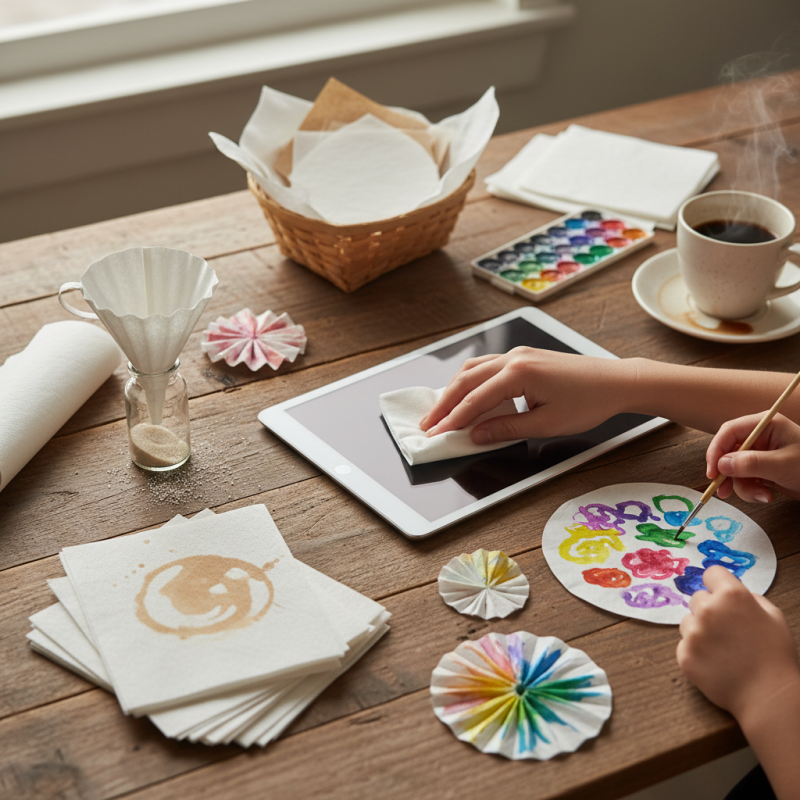
Imagine using Coffee Filter Paper to clean delicate surfaces. It is soft and non-abrasive, making it perfect for screens or glasses. You might also discover its potential in arts and crafts. With some creativity, kids can use it for fun projects.
Sometimes, we overlook useful items. Coffee Filter Paper is a prime example. It can absorb spills or serve as a makeshift funnel. By exploring its potential, we can reduce waste. This small change might lead to bigger, more efficient habits. So, next time you brew a cup, think about what else you can create.
Creative Ways to Use Coffee Filter Paper in Home Decor
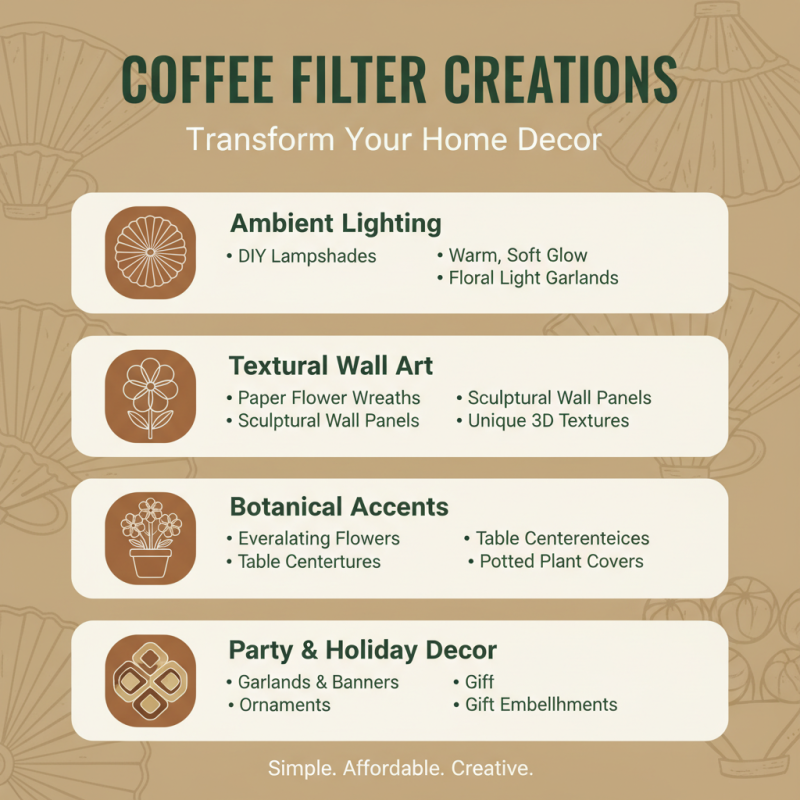
Coffee filter paper can transform your home decor in unexpected ways. They are not just for brewing coffee anymore. Let’s explore how to incorporate this simple material into your living space.
DIY projects can bring charm to your home. Use layers of coffee filters to create beautiful, delicate wreaths. Gather your supplies: a wire frame and glue. Crumple filters and attach them to the frame. The result is a unique centerpiece. Hang it on your door or wall.
Another tip is to use coffee filters as art canvases. They easily absorb ink and dye. Try watercolor painting on them. The effect can be stunning. Frame your creations or compile them into a scrapbook. This adds a personal touch to any room.
Consider making decorative plants with filters too. Shape them into flower petals. Stack them together and secure with a string. You’ll have a charming, low-maintenance arrangement. It’s a fun project that also reduces waste. Embrace the beauty in these imperfections; they tell a story.
Innovative Kitchen Hacks with Coffee Filters for Cooking and Storage
Coffee filters are incredibly versatile tools in the kitchen. They are not just for brewing coffee anymore. For instance, they can be used to cover food when microwaving. This helps prevent messes and retains moisture. A study by the Food Storage Institute notes that proper food coverage can reduce cooking splatter by up to 50%.
Another innovative use is as a makeshift parchment paper in baking. Place a coffee filter on your baking tray to prevent sticking. Research indicates that around 30% of baked goods fail because of sticking issues. Using filters can also help absorb excess oil from fried foods. This simple step can reduce overall fat content by about 20%.
Coffee filters can enhance food storage, too. They are ideal for separating layers of cookies or pastries. This keeps them fresh and prevents sogginess. A survey found that nearly 40% of homemade baked goods waste away due to storage problems. Additionally, filters can help with kitchen cleanup. They can collect small messes, making cleanup faster and easier. Remember, even perfect hacks can fall short. You may need to adjust your techniques to achieve desired results.
Eco-Friendly Solutions: Using Coffee Filters for Cleaning Tasks
Coffee filters are often seen as disposable items used only for brewing. However, they hold unexpected potential for everyday cleaning tasks. Eco-conscious households are increasingly seeking sustainable alternatives. Using coffee filters for cleaning can reduce waste and promote a greener lifestyle.
Research indicates that paper products contribute significantly to landfill waste. For instance, nearly 30% of waste from households comprises paper products. By repurposing coffee filters, you can cut down on this statistic while effectively cleaning. These filters are ideal for wiping windows, dusting surfaces, and even polishing furniture. Their lint-free nature ensures a streak-free shine, making them perfect for glass surfaces.
Moreover, coffee filters absorb grease and grime effectively. For instance, if you fry foods, using a coffee filter to drain excess oil can help minimize mess. This small change can have a lasting impact on both your home and the environment. Although some might doubt their effectiveness, these simple, eco-friendly solutions warrant consideration. As we reflect on our habits, utilizing coffee filters can lead to a more sustainable and organized life.
10 Creative Tips for Using Coffee Filter Paper in Everyday Life
Unique Crafts and DIY Projects Featuring Coffee Filter Paper
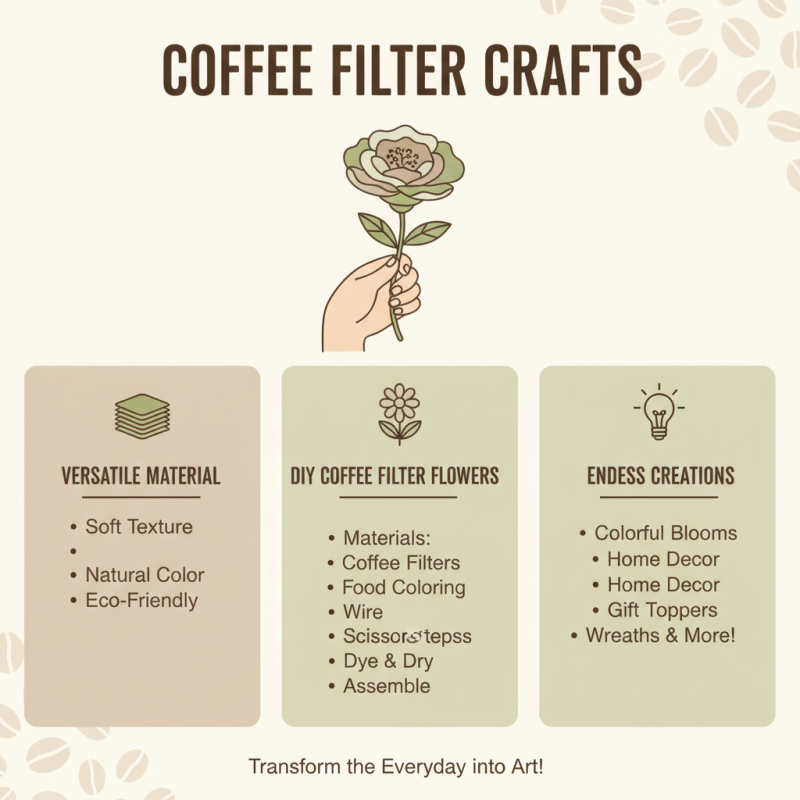
Coffee filter paper is often overlooked as a versatile crafting material. Its soft texture and natural color make it perfect for various DIY projects. One popular idea is to create beautiful flowers. With just a few filters, some food coloring, and wire, anyone can design colorful blooms that brighten up any space. This simple project requires a bit of patience, but the results are rewarding.
Another creative use involves making unique wall art. Layering several coffee filters can produce interesting patterns. Experimenting with dyes or paints can add dimension. The process can be messy, but that’s part of the fun. Hanging these pieces adds a personal touch to your home. Just make sure to plan the layout before adhering them to the wall.
Don’t forget about gift wrapping! Use coffee filters as an eco-friendly wrapping option for small items. They can be dyed or stamped for a prettier presentation. Wrapping can be tricky since the filters are delicate. But being a bit rough around the edges can sometimes lead to charming results. Trust your instincts, and let creativity flow.
Practical Uses of Coffee Filters in Gardening and Plant Care
Coffee filters are more than just a tool for brewing your morning cup. They can be incredibly useful in gardening and plant care. One creative use is as a soil liner. Placing a coffee filter at the bottom of plant pots can prevent soil from escaping while allowing water to drain. This simple trick can help maintain a clean space and keep your plants healthy.
Another interesting way to utilize coffee filters is for seed starting. Fill them with soil and plant your seeds inside. The filter paper holds the moisture and keeps the soil contained. As the seedlings grow, you can easily transplant them into larger pots. This method offers an easy transition from one stage to another. However, keep an eye on the seedlings, as they can easily dry out.
Coffee filters can also help keep pests at bay. You can create small wrap pouches filled with herbs or spices to deter insects. Hang these pouches near your plants. Still, effectiveness can vary, and you might need to try different herbs. Experimenting with these tips can lead to enjoyable gardening experiences. Each method might not work perfectly the first time, but that’s part of the learning process.



 Jimmy
Jimmy Eric
Eric