How to Use Deli Wax Paper Sheet for Food Wrapping and Storage?
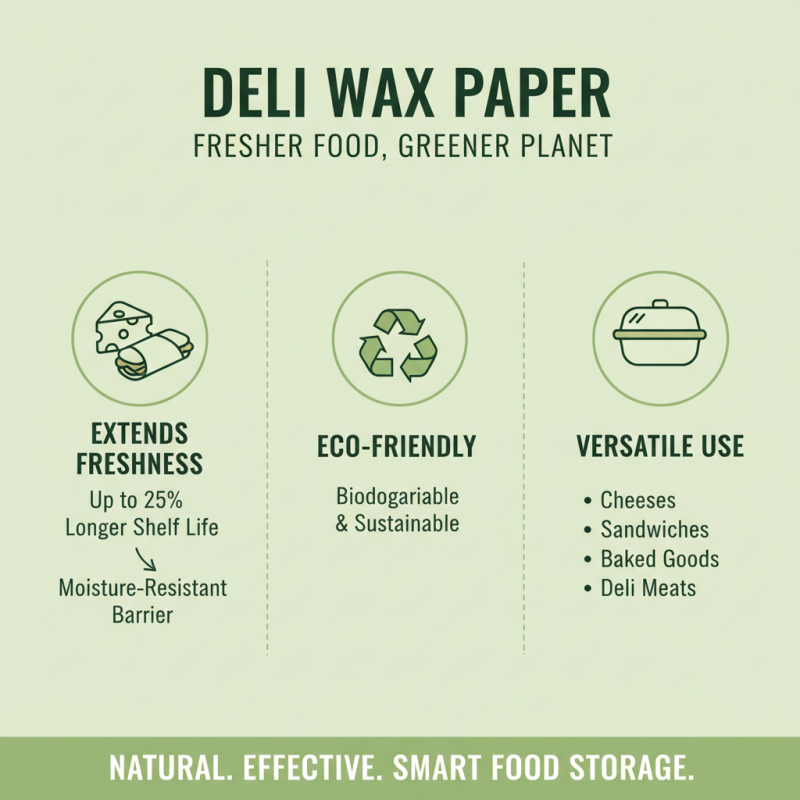
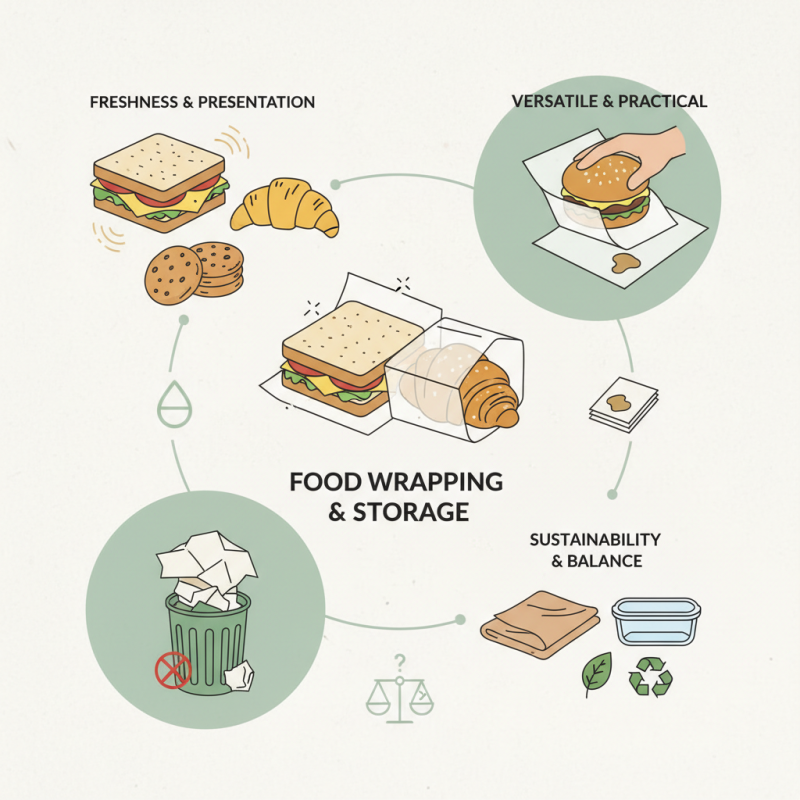
In the culinary world, presentation and freshness matter. Deli Wax Paper Sheet has become a staple for food wrapping and storage. Its versatility allows cooks to easily package sandwiches, pastries, and more. This paper not only retains freshness but also enhances the appeal of food.
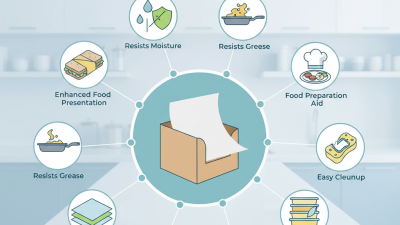
Using Deli Wax Paper Sheet presents unique benefits. It is moisture-resistant, keeping sandwiches crisp during transport. The surface is ideal for wrapping greasy or oily foods without leaking. However, some may find it tricky to handle. The sheet can stick together at times, which requires patience and practice.
Many people overlook the environmental impact of food storage. While convenient, Deli Wax Paper Sheets contribute to waste when not disposed of properly. Rethinking usage can lead to better practices. Strive for balance by considering reusable alternatives alongside traditional methods. A mindful approach to food wrapping can lead to more sustainable choices.
Understanding Deli Wax Paper: Features and Benefits
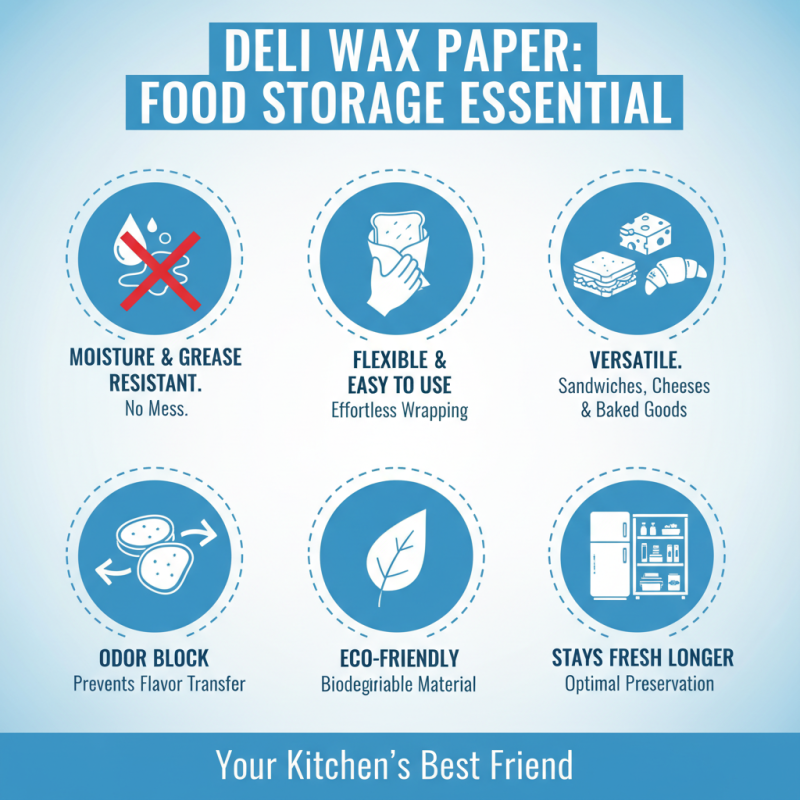
Deli wax paper offers unique features that make it a popular choice for food storage. It has a coating that resists moisture and grease. This means less mess in your fridge or pantry. It’s lightweight and flexible, which makes wrapping items easy. Use it for sandwiches, cheeses, or bakery goods. The paper can also minimize odor transfer between foods.
Another benefit is its ability to keep food fresh. This is crucial for meal prep or leftovers. However, some people worry about the environmental impact. Wax paper is not recyclable. This raises concerns about waste. It’s important to consider how often you use it. Reusing deli wax paper can help cut down on waste. Still, make sure to evaluate its cleanliness before reusing it.
Incorporating deli wax paper into your kitchen routine can simplify food storage. Just be mindful of its limitations. It’s not suitable for all foods, especially those with high moisture content. Understanding how and when to use it can enhance your culinary experience. Consider experimenting with various food items to find what works best for you.
Selecting the Right Size and Type of Deli Wax Paper
When selecting deli wax paper for food wrapping and storage, size matters. The right size ensures a snug fit for various food items. For smaller sandwiches, a 10x10 inch sheet works well. Larger subs might require a 12x12 inch sheet. Pay attention to thickness too. Thicker sheets offer better durability against grease and moisture.
Tips: Choose sheets that are easy to tear. Sometimes, the perforation can make a difference in usage. Measure your container or food item before buying. It can save time and reduce waste.
Consider the type of deli wax paper. Some sheets are coated for added strength, while others are more lightweight. You might notice that cheaper options tear easily. This can be frustrating during wrapping. Test out a few different types before settling on the right one.
If the paper smells off, reconsider your choice. Foul odors may indicate poor quality. Always store deli wax paper in a cool, dry place. Improper storage can lead to a mishap during food wrapping. Be mindful of your selection process; it can greatly influence your food’s presentation and freshness.
How to Use Deli Wax Paper Sheet for Food Wrapping and Storage? - Selecting the Right Size and Type of Deli Wax Paper
| Type of Deli Wax Paper |
Size (inches) |
Ideal Use |
Thickness (mils) |
Biodegradable |
| Standard Deli Wax Paper |
12 x 12 |
Sandwiches, Wraps |
35 |
Yes |
| Greaseproof Wax Paper |
15 x 10 |
Fried Foods, Burgers |
40 |
Yes |
| Heavyweight Deli Paper |
14 x 14 |
Cheese, Cold Cuts |
50 |
Yes |
| Wax Paper Rolls |
200 ft |
Custom Wrapping |
30 |
Yes |
Techniques for Wrapping Food with Deli Wax Paper
When it comes to wrapping food, deli wax paper is a versatile option. It’s moisture-resistant and keeps food fresh. Start by laying the paper on a flat surface. Place the food item in the center. Make sure to leave enough space on each side. Fold the sides over the food. Take your time with this step. It should be snug but not overly tight. A good fold will keep the moisture and aroma in.
After folding, use your fingers to crease the edges. This helps create a secure seal. For items like sandwiches or cheese, double wrap for extra protection. You can easily tear the paper by hand, but scissors can achieve a cleaner cut.
Don’t forget to label your wrapped items. A simple note of the date can help keep track of freshness. It's easy to forget what’s inside. Sometimes it may not seal perfectly. In those cases, a little tape can help. Practice makes perfect. The more you wrap, the better you’ll get.
Best Practices for Storing Food Wrapped in Deli Wax Paper
Deli wax paper is a versatile tool for food storage. It helps maintain freshness while being eco-friendly. According to industry reports, using wax paper can extend the shelf life of certain foods by up to 25%. This is primarily due to its moisture-resistant properties. When wrapping cheeses or sandwiches, it prevents drying without trapping moisture.
Tips: Always press the paper tightly around the food. This will minimize air exposure. Air can lead to spoilage and loss of flavor. For best results, consider refrigerating foods wrapped in deli wax paper. This keeps them fresher for longer.
However, be cautious with certain foods. Foods high in oil or moisture can sometimes seep through. In these cases, you might find deli wax paper less effective. A study from the Food Packaging Institute highlighted that improper wrapping can reduce the effectiveness of food preservation by 15%. Keep this in mind as you wrap different types of food.
Safety Considerations and Limitations of Deli Wax Paper
When using deli wax paper for food wrapping, safety should be a priority. This material is often treated with wax to provide moisture resistance. However, it's not meant for direct contact with hot foods or for cooking. The melting point of the wax is relatively low, and exposure to heat can lead to the release of unwanted chemicals. A study from the Food Packaging Forum highlights concerns over potential chemical migration from food wrappers to the food itself.
Consumers should be aware of this risk.
Tips: Always ensure that the wax paper is used for cold or room-temperature items only. This helps to minimize chemical interaction.
Another limitation of deli wax paper is its inability to provide an airtight seal. It's suitable for temporary storage, but for longer-term preservation, consider alternatives like parchment paper or commercially available freezer bags. The functionality of deli wax paper diminishes in wet environments, making it less effective for wrapping items with high moisture content.
Tips: Keep deli wax paper in a dry area to maximize its effectiveness. Monitor stored foods to prevent spoilage.







 Jimmy
Jimmy Eric
Eric