How to Use Wax Paper for Food Wrapping Effectively?
Wax Paper Food Wrapping is a practical and eco-friendly way to store food. This simple method has stood the test of time. Many people overlook its benefits in their kitchen routines. Wax paper is versatile and can keep food fresh. It acts as a barrier to moisture and air. However, some may use it incorrectly.
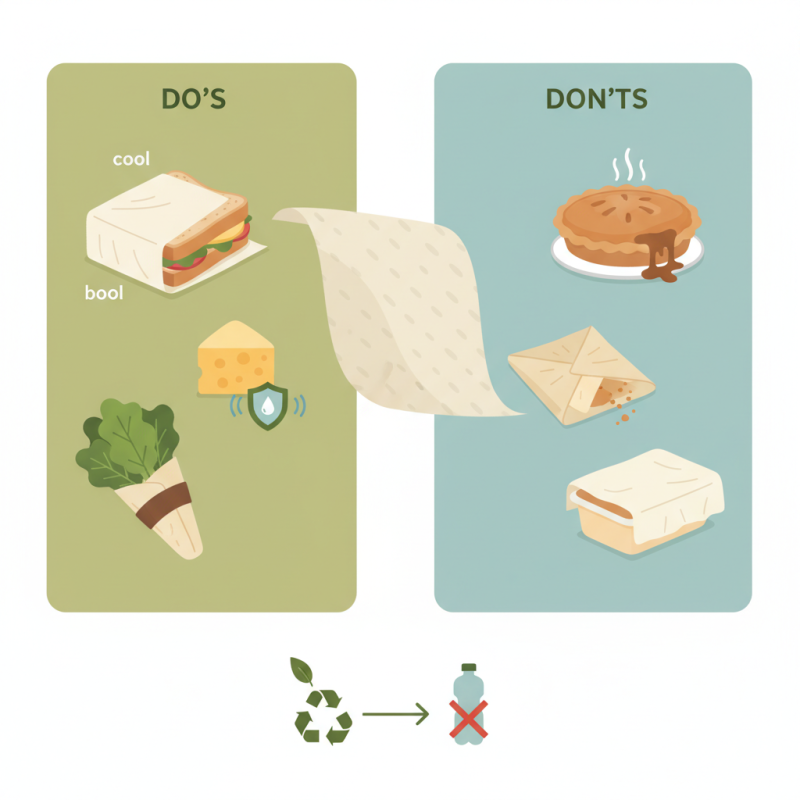
Using wax paper effectively requires some mindfulness. Avoid wrapping hot foods, as the wax may melt. Alternatively, ensure the paper is securely sealed to prevent leaks. When wrapping sandwiches or vegetables, watch the edges. Ensuring a tight wrap can enhance freshness. Still, there is a learning curve.
You might find yourself needing to adjust your techniques. Some may question its sustainability compared to plastic. Yet, embracing wax paper can reduce plastic waste. Remember, practice makes perfect, and reflection is key. Wax Paper Food Wrapping can be both a simple and stylish food storage solution.
Understanding Wax Paper and Its Properties for Food Wrapping
Wax paper is a versatile kitchen staple known for its water-resistant properties. This makes it an excellent choice for wrapping food. Made by coating paper with a thin layer of wax, it helps keep food fresh while preventing moisture and air exposure. However, it’s important to remember that wax paper is not heat-resistant. Avoid using it in the oven or microwave.
For effective food wrapping, consider these tips: Choose the right size of wax paper for your food items. Cut it to fit sandwiches or leftovers snugly. This limits air pockets that can lead to spoilage. When wrapping, fold the edges tightly and secure them with tape for better results.
Sometimes, it can be tricky to find the perfect balance between ease of use and effectiveness. Trying to wrap bulky items might cause the paper to tear. Don’t hesitate to rethink your approach. Maybe use two sheets for larger items. Experimenting with different techniques can lead to better practices in food storage.
How to Use Wax Paper for Food Wrapping Effectively? - Understanding Wax Paper and Its Properties for Food Wrapping
| Property |
Description |
Best Use Cases |
| Moisture Resistance |
Provides a barrier against moisture, helping to keep foods like fruits and vegetables fresh. |
Wrapping sandwiches, fruits, and cheeses. |
| Non-Stick Surface |
Prevents food from sticking, making it easier to unwrap items. |
Baking, wrapping candies, and separating layers of baked goods. |
| Biodegradable |
Made from renewable resources, environmentally friendly option for food storage. |
Sustainable food wrapping and packaging. |
| Chemical Barrier |
Resists grease and oil, protecting food from contamination. |
Wrapping oily foods and snacks. |
| Versatility |
Can be used for various food types and occasions. |
Craft projects, food serving, and meal prepping. |
Benefits of Using Wax Paper for Food Storage and Preservation
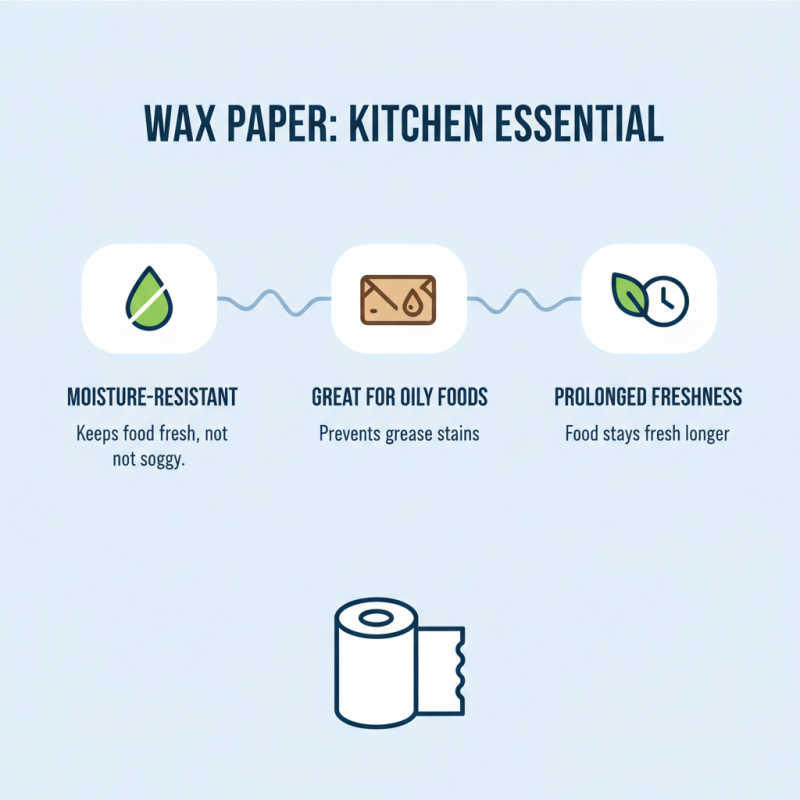
Wax paper is a versatile kitchen tool. It offers several benefits for food storage and preservation. First, it is moisture-resistant. This makes it great for wrapping oily or moist foods. It helps keep items fresh longer without making them soggy.
Another advantage is its non-stick surface. When baking, food won’t stick to the wax paper. This can make cleanup easier. Use it for sandwiches or cheese to prevent sticking. However, be careful with high temperatures; wax paper is not suitable for the oven.
Tips: When wrapping food, ensure the paper covers it completely. This prevents air exposure, which can cause spoilage. Also, if you're using it for storage, re-check your wraps regularly. Sometimes the paper might tear or become less effective. Pay attention to these details to maximize freshness.
Step-by-Step Guide to Wrapping Food with Wax Paper
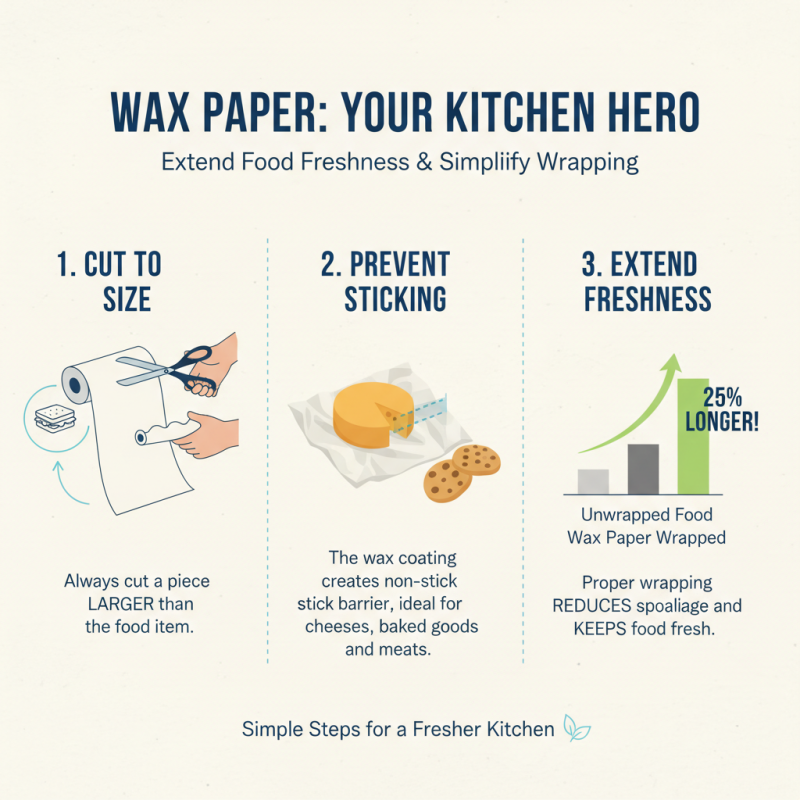
Wax paper is a versatile tool for wrapping food. This guide will help you use it effectively. To begin, cut a piece of wax paper to size. Aim for a piece that is larger than the food item. This prevents sticking and makes wrapping easier. Studies show that proper food wrapping can extend freshness by 25%.
Next, place the food item in the center of the wax paper. Fold one side over the food, then the other. Seal the edges, ensuring there are no gaps. This method helps retain moisture and reduces air exposure. However, wax paper is not suitable for hot foods. Using it in such situations may cause the wax to melt.
In the kitchen, remember that not all wax paper is created equal. Some types are better for certain foods than others. For example, acidic foods can degrade wax paper over time. Reflect on your choices. Experiment with different food types and wrapping techniques. Track how each item holds up. This can enhance your wrapping skills and food preservation knowledge. Use wax paper wisely and enjoy the benefits!
Tips for Maintaining Freshness When Using Wax Paper
Wax paper is a versatile tool for food wrapping. It can help maintain freshness in different foods. Here are some tips to enhance its effectiveness.
When wrapping food, ensure the surface is clean. This prevents contamination and keeps the food safe. Use a double layer of wax paper for items that tend to leak. It creates a barrier against moisture loss. Wrap tightly, but not too tight. This allows some air circulation. Wrapping too tightly may crush delicate foods.
For long-term storage, put wrapped items in a container. This reduces exposure to air and light. Light can degrade the wax paper over time. Be cautious with high-fat foods. The wax can transfer to these items. If you notice any discoloration, consider that a sign to rethink your wrapping method. Freshness is key, but so is ensuring the food itself remains unspoiled.
Food Freshness Preservation Using Wax Paper
Creative Ways to Incorporate Wax Paper in Food Presentation
Wax paper is not just for wrapping food; it can enhance your culinary presentation in creative ways. Use it to create charming food packages. Wrap sandwiches or pastries in wax paper, then tie them with twine. This adds a rustic touch. Guests will appreciate the effort, even if it’s slightly wrinkled.
For desserts, consider using wax paper as a decorative base. Place cookies or cupcakes on a flat piece of wax paper. You can print or draw on it for a personalized look. Just watch the designs; too much ink can smudge. Another idea is to use wax paper liners in baskets. They prevent mess and add a playful layer.
Think about how you arrange food on the table. Elegance often lies in simplicity. Use wax paper to separate finger foods, giving each a unique space. Sometimes, the finished look feels off. Reflect on color harmony and texture. It’s okay to experiment. A few missteps can lead to marvelous ideas.





 Jimmy
Jimmy Eric
Eric