Top Wrapping Paper For Food Options to Elevate Your Culinary Presentation?
In the culinary world, presentation is key. The right wrapping paper for food can transform a simple dish into an exquisite experience. Chef Anna Marks, a renowned expert in culinary aesthetics, emphasizes, “Presentation exudes care and creativity; it’s the first taste before the actual meal.” This highlights the importance of selecting appealing packaging.
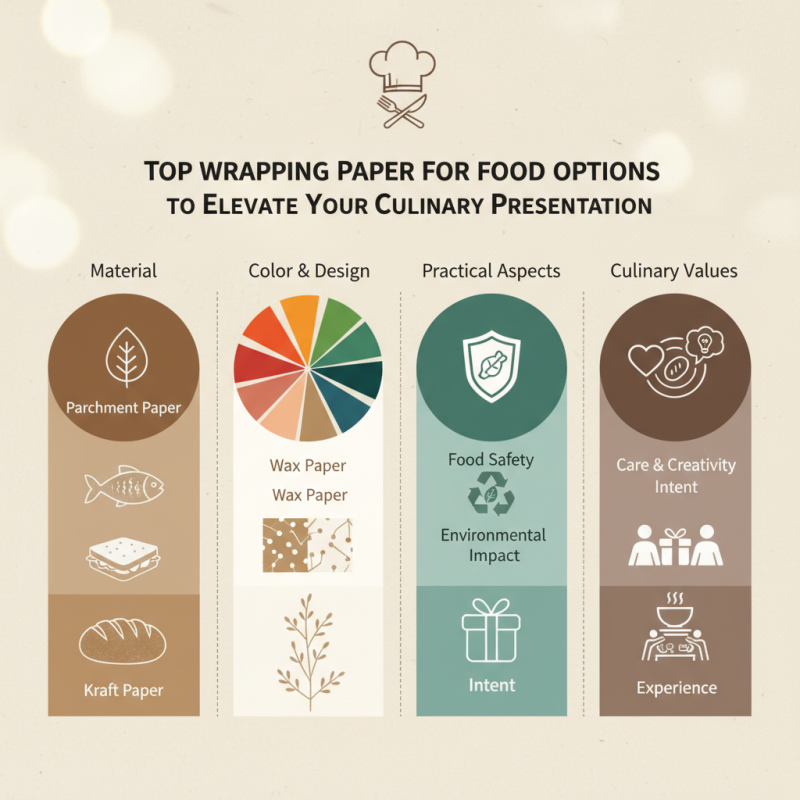
Choosing wrapping paper for food involves more than aesthetics. Consideration of material, color, and design impacts perception. For example, vibrant colors can stimulate appetite, while brown kraft paper offers a rustic charm. However, what works for one dish may not work for another. Experimentation is essential, though not every choice will resonate.
In a market with various options, the right choice isn't always clear. Many overlook the practical aspects, such as food safety and environmental impact. As you explore options, reflect on your intentions. The wrapping must not only be attractive but also align with your culinary values. Building layers of meaning through presentation can elevate the entire dining experience.
Top Wrapping Paper Materials for Food Safety and Presentation
When it comes to elevating culinary presentations, the choice of wrapping paper reveals much about food safety and aesthetics. A report from the Food Safety Authority states that 35% of food contamination comes from packaging materials. Therefore, selecting the right type is crucial.
Natural materials, such as unbleached parchment or wax paper, are excellent options. They are biodegradable and offer a rustic charm to any dish. However, one must ensure they meet safety standards and are free from harmful chemicals.
Tips: Always check for food-safe certifications before purchasing. Avoid shiny or metallic papers, as they often contain coatings that can leach harmful substances onto food. Instead, opt for materials that allow breathability.
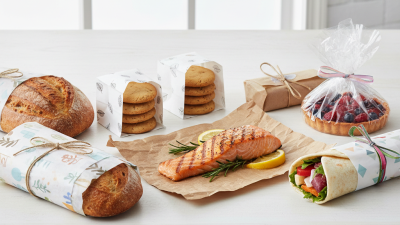
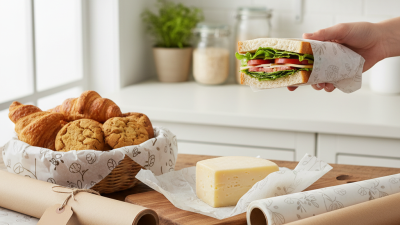
Consider also the visual aspects of wrapping. A simple kraft paper can be adorned with twine or fresh herbs. This approach enhances the perception of freshness and care. Nevertheless, it’s essential to reflect on how these choices affect kitchen waste. Balancing aesthetics with sustainability is a constant challenge in culinary presentation.
Top Wrapping Paper Materials for Food Safety and Presentation
The Role of Biodegradable Wrapping Paper in Sustainable Culinary Practices
The culinary world is evolving. Chefs and home cooks alike seek sustainable practices. Biodegradable wrapping paper stands at the forefront of this movement. It offers an eco-friendly option for presenting food. Not only does it elevate the aesthetics, but it also supports a greener planet.
Using biodegradable wrapping paper can enhance your culinary display. It adds a rustic charm that plastic cannot match. Consider using it for gifts or food presentations at gatherings. Tea leaves, floral patterns, or simple brown craft paper can look stunning. This wrapping is compostable. It breaks down naturally, reducing waste in landfills.
Tips for choosing the right biodegradable paper: Check the material. Ensure it's truly biodegradable, not just labeled. Look for papers made from recycled content. Also, consider how the paper complements the food. A delicate dish deserves a soft, elegant wrap. A hearty meal may require something sturdier. Experiment with textures and colors. The right choice can tell a story and ignite conversation.
Top Wrapping Paper For Food Options to Elevate Your Culinary Presentation
| Type of Wrapping Paper |
Material |
Biodegradable |
Recyclable |
Best Use Cases |
| Kraft Paper |
Recycled paper |
Yes |
Yes |
Sandwiches, bakery items |
| Cellophane |
Plant cellulose |
Yes |
Yes |
Candy, pastries |
| Wax Paper |
Paper coated with wax |
No |
No |
Cheese, oily foods |
| Plant-Based Film |
PLA (Polylactic Acid) |
Yes |
Yes |
Fresh produce, deli items |
| Natural Leaf Wrapping |
Banana leaves, lotus leaves |
Yes |
Yes |
Curries, rice dishes |
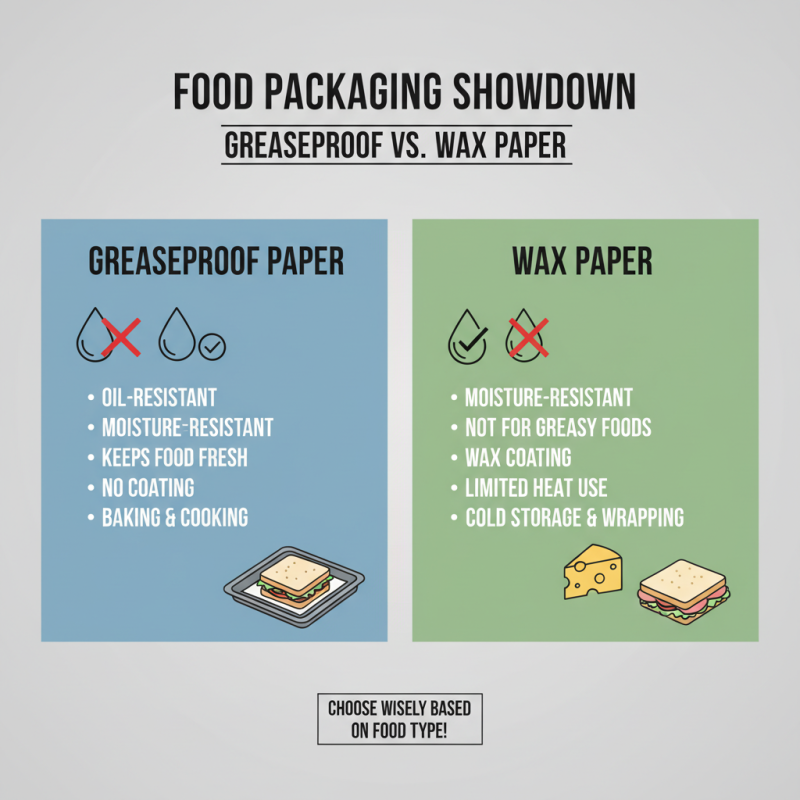
A Comparative Analysis of Greaseproof vs. Wax Paper for Food Packaging
When it comes to food packaging, greaseproof paper and wax paper are two popular options. Greaseproof paper is designed to resist oil and moisture. It helps to keep food fresh. Wax paper, on the other hand, is coated with wax. This coating makes it moisture-resistant but not quite as durable against greasy foods.
Both types of paper have their pros and cons. Greaseproof paper can be more eco-friendly. It is often made from recycled materials. However, it may not always seal properly. Wax paper is more flexible but can sometimes leave a waxy residue on food. It’s essential to consider how each paper interacts with the food.
Tips: For optimal packing, assess your food type. Use greaseproof paper for fried items. It keeps them crispy longer. For sandwiches or baked goods, wax paper provides a nice touch. Don't forget to fold neatly. Wrinkles can create openings for air. Consider experimenting with both options to see which works best for your needs.
Innovative Designs in Food Wrapping Paper to Enhance Visual Appeal
When it comes to food presentation, innovative wrapping paper can make a big difference. Choosing the right design can transform simple dishes into stunning visuals. Imagine a beautifully crafted pastry wrapped in vibrant floral paper. Such details can captivate the eye and enhance the dining experience.
Styling options include eco-friendly materials, which appeal to many. However, not all wrapping papers are practical for food. Some may leave residue or change flavors. It's essential to test materials before using them in your culinary creations. Different textures can also add interest. Consider using wax-coated paper for a rustic touch. The contrast of colors and patterns can elevate any dish.
Thoughtful wrapping can draw attention but remember balance. The food itself should never be overshadowed by the wrap. Each piece of paper should complement the dish, not compete. Focusing on innovative designs can inspire creativity. Experimentation may yield unexpected results. Embrace the imperfections; they often lead to the most memorable presentations.
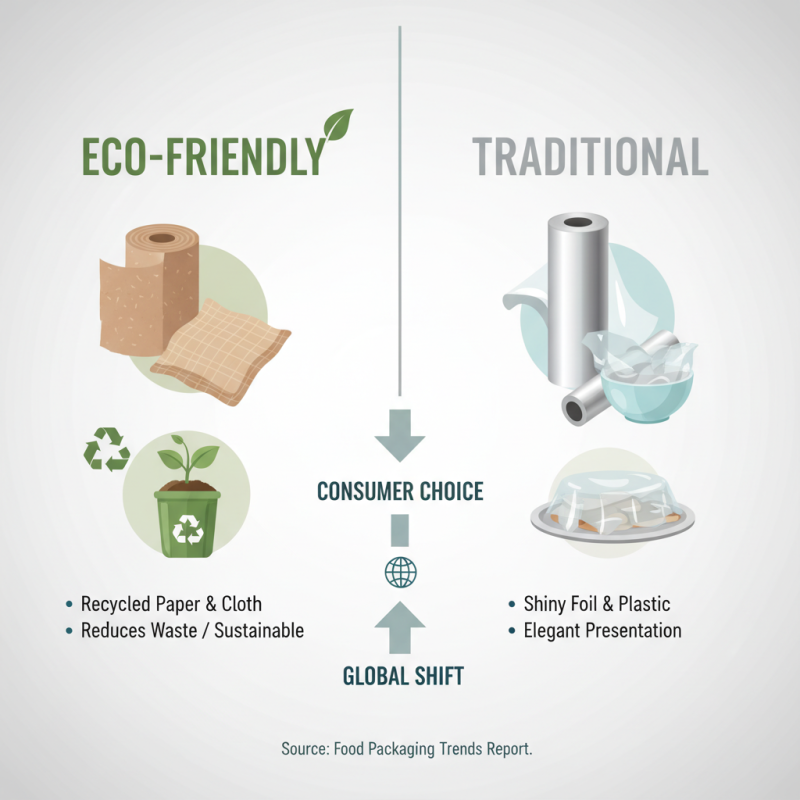
Consumer Trends: Preferences for Eco-Friendly vs. Traditional Wrapping Options
When it comes to wrapping food, presentation is key. Many consumers are choosing between eco-friendly options and traditional wrapping. Eco-friendly materials, like recycled paper, are gaining popularity due to growing environmental concerns. This shift in preference reflects a desire to reduce waste. Yet, traditional options, often made from shiny foil or plastic, still hold appeal for their aesthetic qualities. They provide a certain elegance that many appreciate.
Tips: Consider using kraft paper for a rustic look. It pairs well with twine or natural elements like herbs. Alternatively, use biodegradable wraps for a fresh and impressive package. Be mindful, though; some biodegradable options may not decompose as quickly as anticipated. It's essential to understand your choices.
While embracing sustainability, clarity in your wrapping can enhance the dining experience. Choose designs that complement the meal's theme. A mismatch can detract from your culinary presentation. Reflect on what materials align with your values and the message you wish to convey. The balance between style and eco-friendliness can be challenging but rewarding.




 Jimmy
Jimmy Eric
Eric