Top 10 Gift Wrapping Paper Styles for Global Buyers?
The global gift wrapping paper market has seen significant growth, with an estimated value of $26 billion in 2023, according to industry reports. Consumers value unique and attractive packaging as much as the gift itself. In this vibrant market, selecting the right gift wrapping paper can enhance the overall gifting experience.
Renowned packaging expert Julia Greene states, "The choice of gift wrapping paper reflects personal style and can elevate even the simplest gift." She highlights how diverse styles influence buyer preferences across different demographics. This industry is not just about presentation; it encompasses various styles, textures, and environmental considerations as well.
As preferences shift towards sustainable materials, brands face new challenges. Consumers are increasingly aware of their environmental impact. Consequently, the demand for eco-friendly options is on the rise. The need for innovative designs is crucial in attracting consumers. This combination of style and sustainability drives the current trends in gift wrapping paper, presenting both opportunities and challenges for producers.
Popular Gift Wrapping Paper Styles Around the World
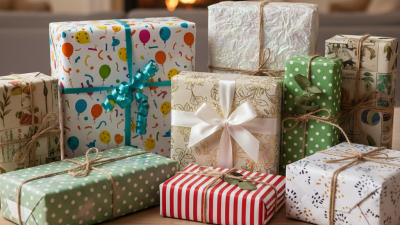
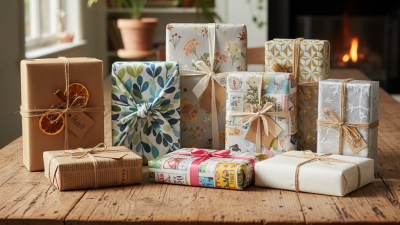
Gift wrapping paper styles vary widely across the globe, reflecting cultural preferences and seasonal themes. In the United States, bold colorful patterns dominate, often featuring whimsical designs. These papers sometimes sparkle with glitter, adding a playful touch to any gift. Meanwhile, in Japan, minimalism reigns supreme. Their wrapping often incorporates soft, muted colors and intricate folds, becoming an art form in itself. This approach emphasizes simplicity and elegance, elevating the gift-giving experience.
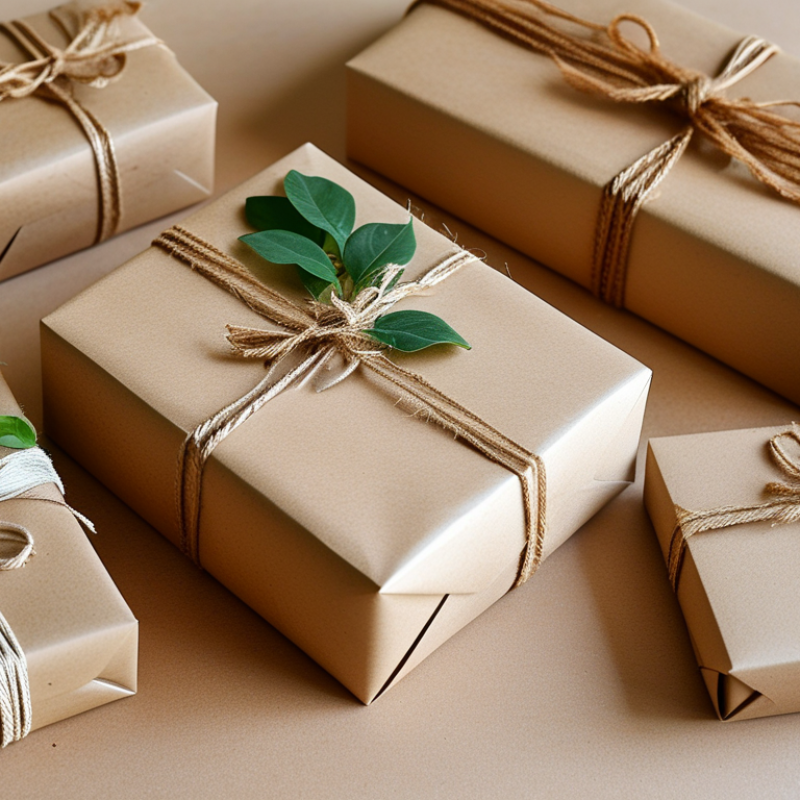
In European countries, patterns frequently depict festive motifs. In Italy, for instance, vibrant florals are popular, conveying joy and celebration. German gift wrapping often includes elaborate designs, such as scenes from fairy tales. These styles tell a story, connecting people to traditions and memories. Some regions embrace eco-friendly materials, favoring brown paper adorned with twine and dried flowers. This reflects a growing awareness of sustainability. The beauty of gift wrapping lies in its diverse expressions, capturing the joy of giving through varied cultural lenses. Each style invites reflection on personal taste and societal values, making every wrapped gift a unique experience.
Cultural Influences on Gift Wrapping Traditions
Gift wrapping is more than just a practical step in gifting. It reflects cultural values and traditions across the globe. For example, in Japan, gift wrapping is an art form. The practice of “furoshiki,” which uses fabric to wrap gifts, signifies thoughtfulness. According to the Japan External Trade Organization, over 90% of Japanese people believe that presentation matters as much as the gift itself. This cultural belief elevates the importance of wrapping in gift-giving.
In contrast, Western cultures often focus on colorful paper and decorative ribbons. In the United States, nearly 75% of consumers prefer festive designs during holidays. A report by Statista indicates that the global market for gift wrapping products is projected to reach $19.7 billion by 2027, emphasizing the demand for diverse styles influenced by local traditions. However, the environmental impact of single-use wrapping paper has led some consumers to rethink their choices.
In many Middle Eastern countries, simple yet elegant wrapping is preferred. Often, items are presented in reusable bags or boxes adorned with minimal decoration. This reflects a thoughtful approach, focusing on sustainability. Collectively, these practices highlight the need to acknowledge cultural influences while promoting environmentally conscious choices in gift wrapping. As globalization continues to shape traditions, the challenge remains to balance aesthetics and sustainability.
Thematic Gift Wrapping: Trends and Styles
Gift wrapping is more than a mere cover; it's a presentation that speaks volumes about the thought behind a gift. Thematic gift wrapping is increasingly popular, reflecting various trends and personal styles. From vibrant colors to textured papers, buyers now seek out designs that resonate with holiday themes or personal milestones. Patterns like holiday motifs, floral designs, and geometric shapes invite creativity while setting the mood for special occasions.
In recent years, eco-friendly materials have gained traction among consumers looking for sustainable options. Recycled papers and biodegradable materials not only appeal to eco-conscious buyers but also add a unique touch. However, the challenge lies in making these choices aesthetically pleasing. Balancing sustainability with visual appeal often requires extra effort and creativity. Additionally, there is a growing trend to incorporate personalization, such as custom prints or handwritten notes, which can enhance the overall experience yet may require more thought and time in preparation.
Cultural influences play a significant role in thematic gift wrapping as well. Different regions have distinct styles that reflect their traditions. The use of colors, motifs, and embellishments often varies, forcing buyers to navigate cultural nuances. While this diversity offers a rich palette of options, it can also be overwhelming. Understanding these subtleties is crucial for anyone wanting to master the art of gift wrapping.
Eco-Friendly Gift Wrapping Options for Sustainable Buyers
Eco-friendly gift wrapping is gaining popularity among conscious consumers. Data from the Sustainable Packaging Coalition indicates that over 70% of buyers prefer sustainable options when choosing packaging. This shift reflects a growing awareness of environmental issues. Traditional wrapping paper often contains plastic, which contributes to waste. In contrast, eco-friendly alternatives use recyclable or biodegradable materials.
A variety of eco-friendly gift wrapping options are available today. Recycled paper, for instance, utilizes 50% less energy in production than conventional paper. Cloth wraps, such as furoshiki, not only reduce waste but can be reused indefinitely. Buyers are also turning to natural fibers like jute or hemp, which are biodegradable and stylish.
**Tips for Eco-Friendly Wrapping:**
- Use old newspapers or magazines as creative wrapping substitutes. They add a personal touch.
- Consider minimizing the amount of tape you use, as it complicates recycling.
- Think about using plants, like dried flowers or leaves, as decorations. They’re charming and earth-friendly.
Buying sustainably is not just a trend; it’s a necessity. Small changes in our gift-wrapping habits can lead to significant environmental benefits. Consumers have the power to influence the market by making smarter choices. The journey towards sustainability is ongoing, and every thoughtful decision counts.
Top 10 Gift Wrapping Paper Styles for Global Buyers - Eco-Friendly Gift Wrapping Options for Sustainable Buyers
| Style |
Material |
Eco-Friendly Rating |
Recyclability |
Price Range ($) |
| Recycled Kraft Paper |
Recycled paper |
High |
Yes |
5-10 |
| Seed Paper |
Plantable paper |
High |
Yes |
8-15 |
| Fabric Wrap (Furoshiki) |
Cotton/Other fabrics |
High |
Yes |
10-20 |
| Biodegradable Paper |
Biodegradable pulp |
High |
Yes |
7-12 |
| Recycled Newspaper |
Recycled newsprint |
Medium |
Yes |
3-8 |
| Jute Wrap |
Jute fabric |
High |
Yes |
15-25 |
| Cornstarch-based Wrap |
Cornstarch polymer |
High |
Yes |
12-18 |
| Leaf Wraps |
Natural leaves |
Very High |
Yes |
5-10 |
| Bamboo Wrap |
Bamboo fiber |
High |
Yes |
10-15 |
| Pine Cone Wrap |
Pine cones and string |
High |
Yes |
8-14 |
Luxury Gift Wrapping Techniques for Special Occasions
When it comes to luxury gift wrapping techniques, the presentation can elevate a simple gift into something extraordinary. Start with high-quality wrapping paper. Choose textures that feel elegant, like satin or heavy cardstock. Add unique touches, such as intricate folds or layers, which can enhance the visual appeal. Consider incorporating bold colors or metallic shades for a striking effect. A well-chosen ribbon can tie it all together, both literally and figuratively.
For special occasions, personalization is key. Handwritten notes or custom tags can add that special touch. Use wax seals for an old-world charm. Experiment with embellishments like dried flowers or lace to create a three-dimensional effect. It's all about attention to detail. Each choice should reflect the recipient’s style and the occasion’s significance. Don’t shy away from imperfections; they can add character to your wrapping. A slightly uneven edge or a handmade tag can convey effort and thoughtfulness.




 Jimmy
Jimmy Eric
Eric