Top 10 Uses of Butter Paper for Pastry in Baking?
Butter paper for pastry is an essential tool in the baking world. It is commonly used in various pastry techniques. Its non-stick properties make it ideal for rolling out dough and lining baking trays. Many bakers rely on it for creating perfect crusts and flaky layers.
This versatile paper can elevate your baking experience. It helps prevent sticky situations when working with delicate pastries. Using butter paper ensures even cooking and easy cleanup. However, some bakers overlook its importance or misuse it. Proper usage is key to achieving the desired results.
In this article, we will explore the top 10 uses of butter paper for pastry in baking. Each use will highlight its unique advantages. Understanding these applications will improve your baking skills and enhance your creations. Let’s delve into the world of butter paper and unlock its full potential in your kitchen.
Uses of Butter Paper for Lining Baking Trays in Pastry Making
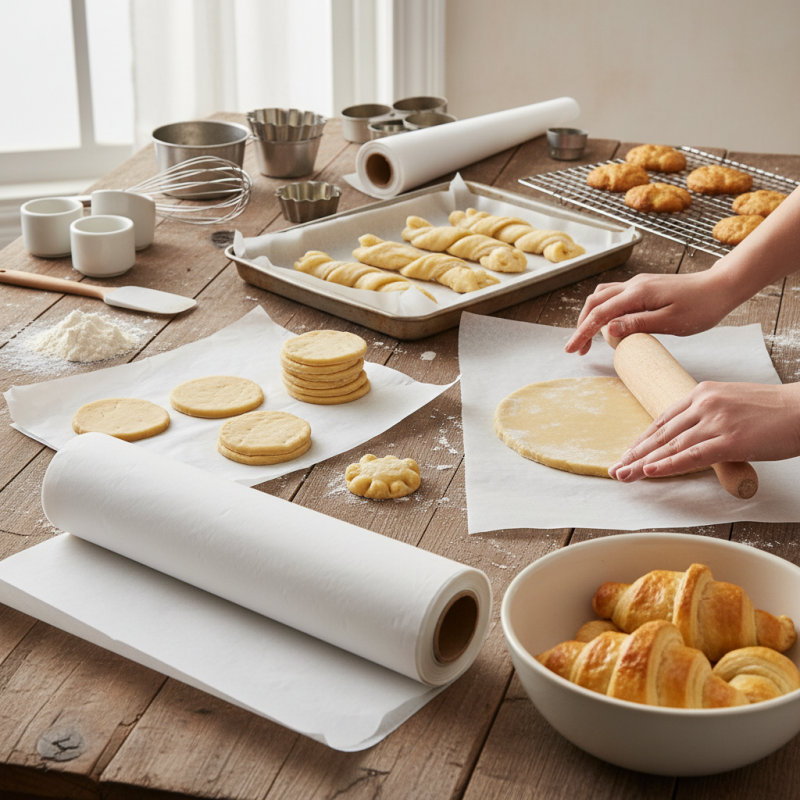
Butter paper, also known as parchment paper, is a staple in the baking world. Its primary role is to line baking trays, providing a non-stick surface for various pastries. When lining a baking tray, butter paper prevents the pastry from adhering to the tray. This ensures that delicate items, like cookies and cakes, come out intact.
Using butter paper can also help with even baking. The paper allows for better heat distribution, which helps pastries rise evenly. This is crucial for delicate pastries such as meringues or puff pastries. In addition, butter paper can absorb some moisture, creating a crisp outer layer while keeping the inside tender.
However, not all butter paper is created equal. Some may not withstand high temperatures well, leading to potential burning or peeling off. Additionally, beginners may find it tricky to cut the paper to fit the tray properly. It’s important to measure accurately, as any excess paper can lead to uneven baking. Using butter paper thoughtfully can enhance your pastry-making experience while providing consistent results.
Top 10 Uses of Butter Paper for Pastry in Baking
| Use |
Description |
Benefits |
| Lining Baking Trays |
Use butter paper to line baking trays to prevent sticking. |
Easy cleanup, reduced scraping. |
| Rolling Dough |
Roll dough between sheets of butter paper for easy handling. |
Prevents sticking to surfaces, eliminates the need for extra flour. |
| Separating Layers |
Use to separate layers of baked goods to prevent sticking. |
Maintains the shape and quality of pastries. |
| Piping Bags |
Create DIY piping bags from butter paper for decorating. |
Cost-effective and customizable. |
| Baking Envelopes |
Wrap pastries for baking for even cooking. |
Retains moisture and enhances flavors. |
| Measuring Ingredients |
Use as a makeshift measuring mat for dry ingredients. |
Reduces mess when measuring flour and sugar. |
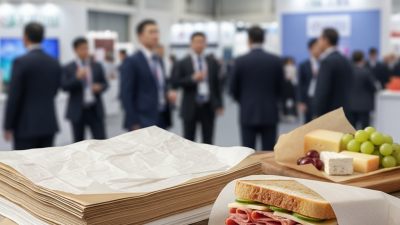
| Wrapping Baked Goods |
Wrap cookies or pastries to keep them fresh. |
Helps retain freshness without affecting taste. |
| Baking Fish |
Line a pan with butter paper to bake fish. |
Prevents sticking and keeps moisture in. |
| Cooling Baking Sheets |
Set cooling racks over baking sheets lined with butter paper. |
Catches drips and crumbs, making cleanup easier. |
| Non-Stick Surface for Eating |
Use to serve oily or sticky foods to avoid mess. |
Prevents food from sticking to plates. |
Utilizing Butter Paper for Rolling Out Dough Smoothly
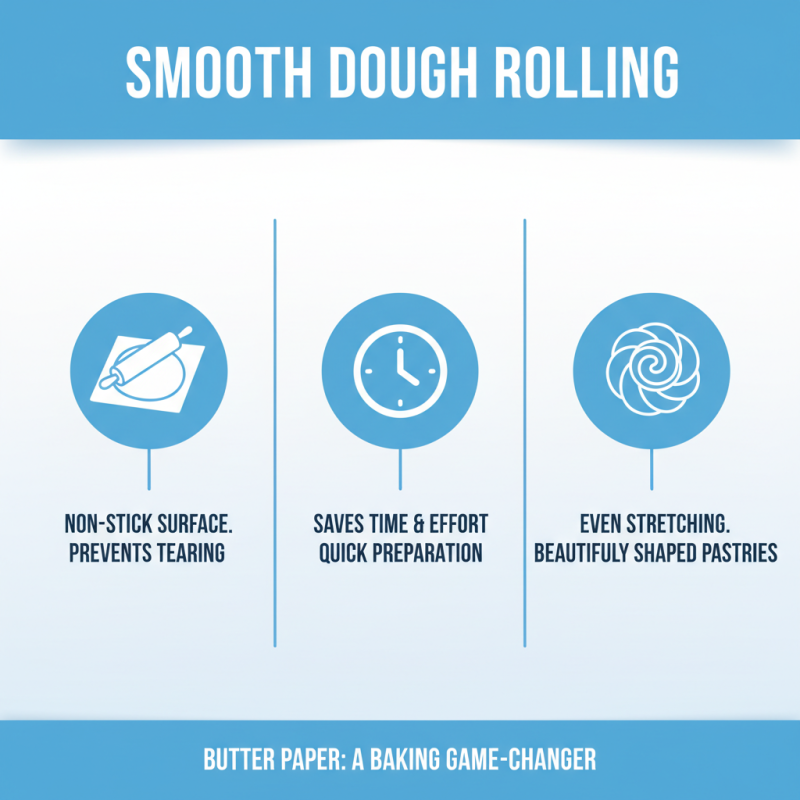
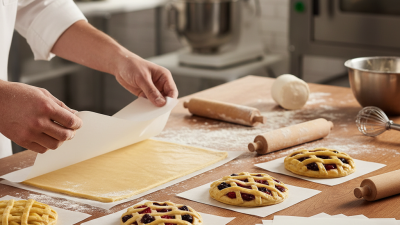
Butter paper is a game-changer in the baking world, especially when rolling out dough. It provides a non-stick surface that helps prevent the dough from sticking. This feature saves time and effort during the preparation phase. By using butter paper, bakers can avoid the frustration of dough tearing or stretching unevenly. Each roll becomes a smooth process, resulting in a beautifully shaped pastry.
When utilizing butter paper, lay it out flat before placing the dough on top. It’s important to use a gentle touch while rolling. Try to avoid putting too much pressure on the rolling pin. The goal is to achieve an even thickness. If the dough sticks, don't panic. You can always lift the edges of the butter paper to release it gently. This trial-and-error process can lead to improved techniques over time.
Additionally, the environment matters. Ensure your kitchen is at room temperature. Cold dough can be challenging to work with. If things don't go perfectly, reflect on your methods. Learn from each attempt. The more you engage with the process, the more comfortable you will become. Butter paper can transform your baking experience and enhance your skills along the way.
Creating Pastry Bags with Butter Paper for Precision Piping
Butter paper is a valuable tool in baking, especially for creating precise piping techniques. Pastry bags made from butter paper offer bakers a simple and effective way to control the flow of dough or frosting. This material can handle heat and moisture, which makes it ideal for pastry work. According to a report by the American Society of Baking, 70% of pastry chefs prefer using parchment-type papers for optimal results.
Creating a pastry bag is straightforward. You can cut a triangular piece from butter paper, then fold it into a cone shape. This process takes only a few seconds and provides an affordable alternative to commercial piping bags. The flexibility of butter paper allows for easy maneuverability. Many bakers report that this ease of use significantly improves their piping accuracy.
While butter paper is convenient, it has some limitations. Some bakers find it less durable than traditional piping bags, especially when under pressure. Rips or tears can occur, leading to frustrations during intricate designs. It's essential to practice and refine this method. Experimentation can help you identify the right techniques for different projects and improve your overall baking skills. Balancing convenience with technique is key to mastering this essential pastry skill.
Preventing Sticking of Pastries Using Butter Paper in Baking
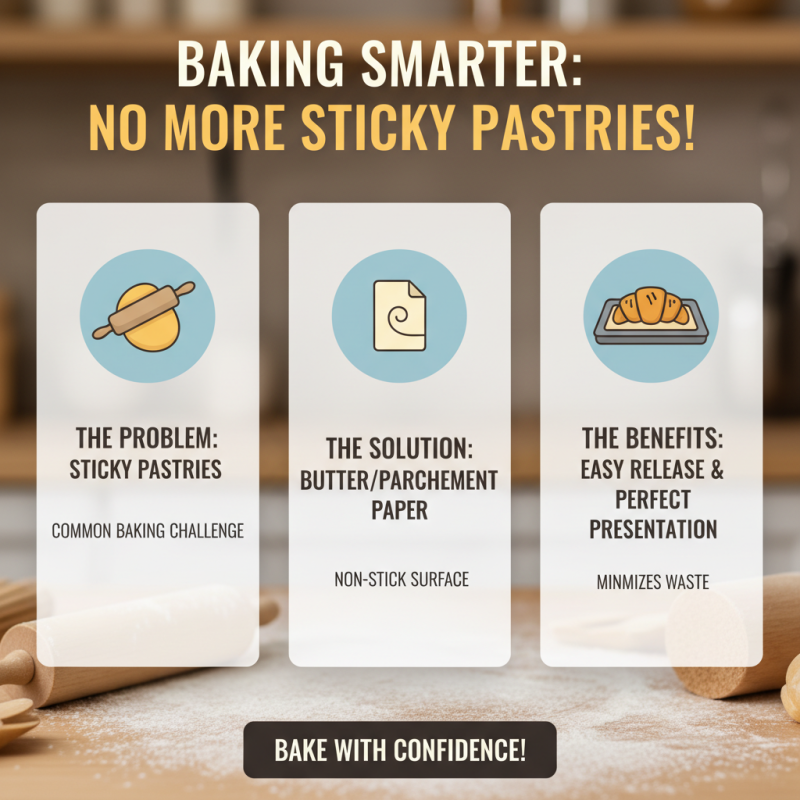
When it comes to baking, preventing sticky pastries is a common challenge. Butter paper, also known as parchment paper, plays a vital role in this process. Its non-stick surface ensures that delicate pastries release easily from baking sheets. This feature minimizes waste and enhances the overall presentation of your baked goods.
Using butter paper is not just about avoiding mess. It also aids in achieving even browning. When pastries bake on this paper, airflow improves, helping them cook evenly. However, it may not always provide the perfect non-stick surface for every recipe. Some pastries, like sticky buns, might still require extra flour or oil. Experimenting with different techniques is key to mastering pastry baking.
Moreover, butter paper’s heat resistance allows you to bake pastries at higher temperatures without concern. Yet, poorly placed or torn paper can lead to baked goods sticking. Careful handling is crucial. In baking, every small detail matters. The choice of using butter paper can significantly impact your results.
Using Butter Paper for Easy Clean-Up After Baking Pastries
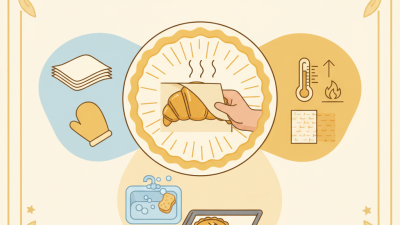
Using butter paper can transform your baking experience, particularly when it comes to clean-up. Baking pastries often involves sticky doughs and messy fillings. Butter paper acts as a protective barrier, ensuring that your pastries release easily from the pan. Plus, it prevents your baking sheets from becoming a sticky disaster. This makes post-baking clean-up much simpler.
When you line your pans with butter paper, clean-up is reduced significantly. You can simply lift the paper with the pastries, leaving the pan nearly spotless. You won’t have to scrub away burnt bits or stubborn residue. This means more time enjoying your delicious creations and less time fighting with your kitchenware.
Tips: Always make sure to grease your butter paper lightly. This helps in easy release while keeping your pastries intact. Also, consider folding the edges of the paper over the sides of the pan. This gets rid of any extra spillage, preventing mess. Employing these techniques makes the process smoother, even if there are moments of chaos in baking. Don't let the little things stress you; embrace the process and enjoy the sweet rewards.
Top 10 Uses of Butter Paper for Pastry in Baking



 Jimmy
Jimmy Eric
Eric