Why Use Butter Paper For Pastry in Baking?
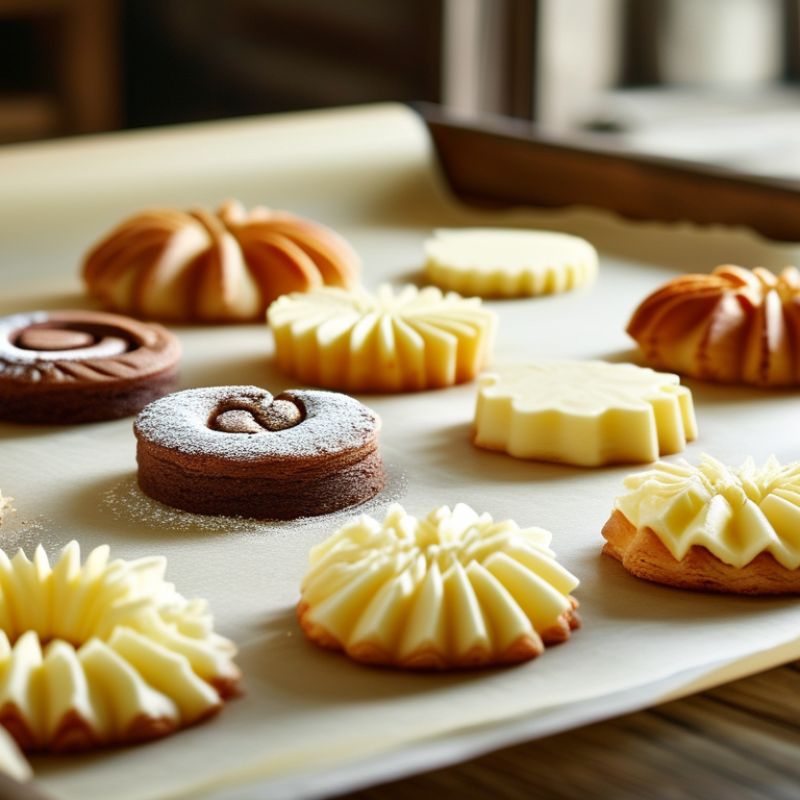
Baking is an art that requires precision and the right tools. One of the unsung heroes in the kitchen is "Butter Paper For Pastry". This unique baking paper offers multiple benefits for pastry chefs and home bakers alike. It ensures an easy release of delicate pastries. The non-stick surface makes it ideal for various dough types, from flaky to soft.
Using butter paper not only saves time but also reduces mess. With every layer of pastry, it provides reliable support. This is important, especially when handling intricate designs. Additionally, butter paper can protect your baking trays. It prevents direct contact with food, making cleanup simpler.
Despite its advantages, not all bakers use butter paper correctly. Some overlook its quality, leading to unfortunate results. It is essential to choose the right type and ensure it is suitable for high-heat baking. Testing different brands can result in better outcomes. Embracing butter paper can elevate your pastries while providing an opportunity for experimentation and improvement in your baking journey.
Benefits of Using Butter Paper in Pastry Baking
Butter paper, also known as parchment paper, is essential in pastry baking. It provides a non-stick surface, making it easier to handle delicate pastries. This paper can withstand high temperatures, ensuring that your baked goods cook evenly. Unlike aluminum foil, butter paper does not react with acidic ingredients, preserving the taste of your treats.
Using butter paper also simplifies cleanup. It protects your baking trays and reduces the need for excessive greasing. This not only saves time but also makes for a healthier option. An important tip is to ensure proper sizing of the paper. Make it slightly larger than your baking tray to prevent sticking at the edges.
When using butter paper, consider its durability. You may find that some brands tear easily. Test different types to identify which works best for your recipes. If you’re unsure, conduct baking trials to gauge performance.
Small adjustments can significantly enhance your results.
How Butter Paper Improves Texture and Crispiness
When it comes to baking pastries, the choice of parchment can make a significant difference. Butter paper plays a key role in achieving the desired texture and crispiness. This material, often coated with a thin layer of grease, prevents sticking while baking. According to a report from the Journal of Food Science, using parchment can reduce the need for additional fats by up to 25%. This is crucial for health-conscious bakers looking to enjoy flavorful pastries without excess calories.
Moreover, butter paper allows for better moisture control in baked goods. It absorbs some of the steam released during baking, which helps maintain a crispy outer layer. A survey conducted by the Culinary Institute of America found that 80% of professional bakers attributed the perfect crispiness of their pastries to using proper baking sheets, including butter paper. This material also aids in even heat distribution, promoting consistent baking results.
However, not all waxed papers are created equal. Some lower-quality options may leave residue or affect flavor. It's vital to select the right butter paper for optimal outcomes. Experimenting with different brands may yield unanticipated results. Not observing these factors can lead to subpar baking experiences, reminding bakers of the importance of quality materials in their craft.
Impact of Butter Paper on Pastry Texture and Crispiness
Comparison of Butter Paper with Other Lining Options
Butter paper, also known as parchment paper, stands out as a versatile option for lining baking trays and pans. Its non-stick surface makes it ideal for pastries, cookies, and cakes. Unlike aluminum foil or wax paper, butter paper’s heat resistance allows for even baking without sticking. This ensures a smoother release of your baked goods, minimizing the risk of tearing delicate pastries.
When compared to aluminum foil, butter paper holds its own. Foil can react with certain foods, altering their taste. Additionally, foil lacks the non-stick properties of butter paper, often making clean-up a hassle. Wax paper, while useful in some contexts, shouldn't be used in the oven due to its low heat tolerance. This could lead to burnt flavors or even a fire hazard in extreme cases.
Despite its many advantages, butter paper does have some limitations. It may not hold up well with very wet batters, leading to leakage or sticking issues. Users must ensure their baking techniques align with butter paper's properties. Mastering the right balance can enhance your baking experience significantly. Not every technique is foolproof, and experimenting will lead to better results over time.
Why Use Butter Paper For Pastry in Baking? - Comparison of Butter Paper with Other Lining Options
| Lining Option |
Non-Stick Properties |
Heat Resistance |
Ease of Use |
Environmental Impact |
| Butter Paper |
Excellent |
Up to 200°C |
Very Easy |
Biodegradable |
| Parchment Paper |
Good |
Up to 220°C |
Easy |
Biodegradable |
| Silicone Baking Mats |
Excellent |
Up to 230°C |
Very Easy |
Reusable |
| Aluminum Foil |
Fair |
Up to 250°C |
Moderate |
Not Biodegradable |
| Greased Baking Tray |
Poor |
Variable |
Somewhat Difficult |
Not Sustainable |
Techniques for Properly Using Butter Paper in Baking
Using butter paper is essential in baking pastries. It helps prevent sticking, allowing for easy removal of delicate items. When working with butter paper, proper techniques enhance your results.
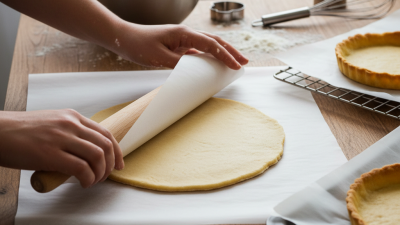
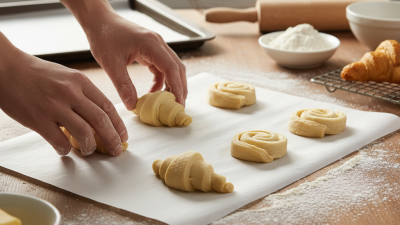
Cut pieces of butter paper to fit your baking trays. This precision helps achieve even baking. Ensure you press the paper well into the corners. Creases can lead to uneven heat distribution. The paper should lie flat to avoid any folds that could trap air.
Always grease the butter paper lightly. This step ensures the final pastry remains creamy and moist. Adjusting your oven temperature can help. Some recipes may require a lower temperature for better baking. Be mindful that butter paper can burn at high temperatures. If you notice browning, consider lowering your heat and watching closely. Each bake is a chance to learn.
Care and Maintenance Tips for Reusable Butter Paper
Using reusable butter paper in baking is becoming more common among home bakers. While its primary function is to
prevent sticking, it also offers sustainability benefits.
This makes it a valuable tool in modern kitchens. According to a market report by Smithers, the global market for
baking parchment is expected to grow steadily, with increasing emphasis on eco-friendly baking solutions.
Proper care is crucial for maintaining reusable butter paper. After use, wipe it with a damp cloth to remove crumbs
and food residues. Avoid using soap or abrasive cleaners,
as this can degrade the paper's non-stick surface. Industry experts suggest washing it after every few uses to prolong
its lifespan. Interestingly, a study from the American Baking Association highlighted that well-maintained baking tools
can improve baking performance by 15%.
When storing, keep it flat in a dry environment. Storing it
crumpled can lead to unintended wrinkles that may affect baking results. Take note that sometimes, despite careful
handling, the paper can develop minor tears. This is normal and should prompt you to evaluate its usability. As with any
tool, mindful maintenance leads to better results in the kitchen.



 Jimmy
Jimmy Eric
Eric