What are the Benefits of Using Greaseproof Paper Bags?
In today's fast-paced world, many businesses prioritize convenience and efficiency. One often overlooked accessory is the greaseproof paper bag. Experts highlight its importance. John Smith, a well-known packaging consultant, states, "Greaseproof paper bags are essential for preserving food quality." This statement underscores the evolving needs of food packaging.
Greaseproof paper bags offer multiple advantages. They are not only functional but also environmentally friendly. The paper helps contain grease and moisture, keeping food fresh. Additionally, these bags are recyclable, reducing waste in landfills. However, some businesses struggle to recognize their full potential in enhancing customer experience.
While greaseproof paper bags have numerous benefits, challenges remain. Not all brands understand the importance of quality. Poorly made bags can fail, leading to messy situations. It's crucial for brands to invest in reliable options to build trust with customers. A transparent approach to sourcing materials also ensures long-term sustainability.
Definition and Purpose of Greaseproof Paper Bags
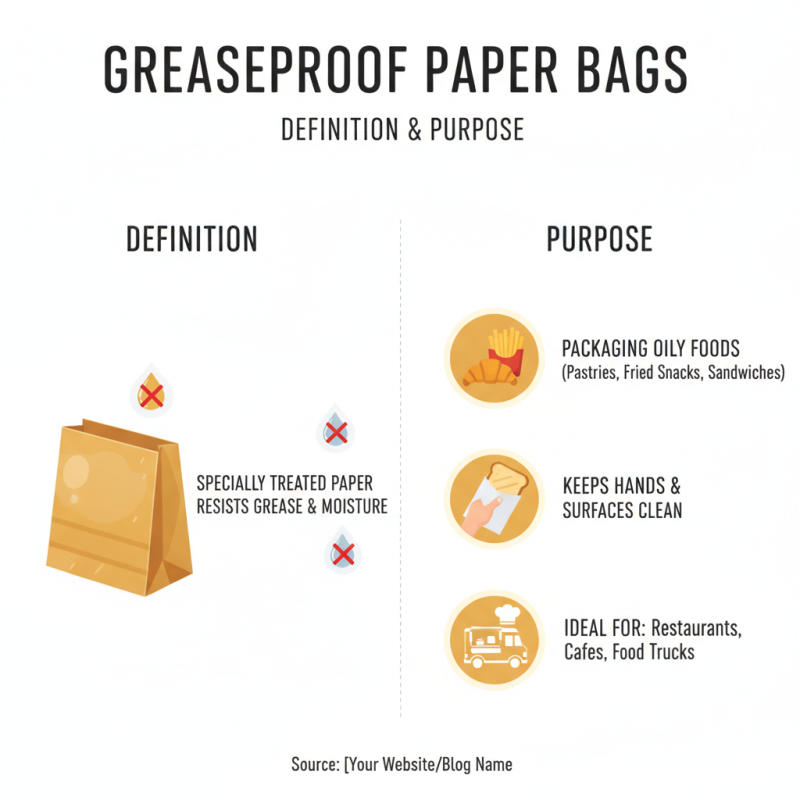
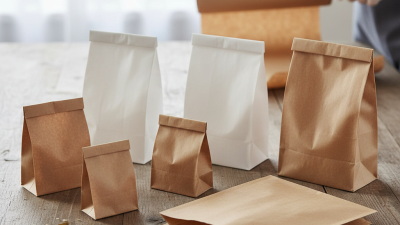
Greaseproof paper bags serve a unique and valuable purpose in various settings. Made from specially treated paper, they resist grease and moisture effectively. This makes them ideal for packaging oily foods like pastries, fried snacks, and sandwiches. The paper prevents the grease from seeping through, keeping hands and surfaces clean. Restaurants, cafes, and food trucks benefit greatly from using these bags.
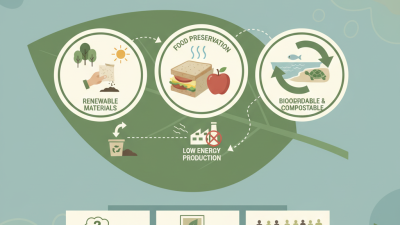
In addition to their functional aspects, greaseproof paper bags are an eco-friendly choice. They are biodegradable and can be recycled, aligning with sustainability goals. This appeal resonates with consumers who prioritize environmentally friendly packaging. However, not all greaseproof paper bags are created equal. Some may not have the same level of grease resistance or quality. It’s essential for businesses to choose reliable suppliers to ensure product effectiveness.
While greaseproof paper bags are convenient, there can be challenges. For instance, some consumers may overlook their recyclable nature. Others might find that these bags do not hold heavier items securely. Understanding the limitations helps in making an informed choice. Awareness of these factors can enhance the overall experience with greaseproof paper bags.
Key Materials Used in Greaseproof Paper Bags
Greaseproof paper bags are essential for various food businesses. They help maintain food quality and freshness. The materials used in these bags play a critical role in their effectiveness.
Typically, greaseproof paper is made from wood pulp. This material is biodegradable and provides a great barrier against oil and moisture. The manufacturing process usually involves chemical treatments. These treatments enhance the paper's ability to resist grease, making it ideal for items like fried foods and oily snacks.
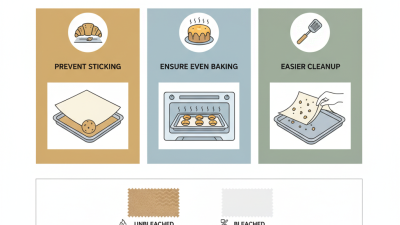
Another common material is parchment paper. It offers similar grease-resistant properties. However, parchment paper is often more durable than regular paper. Its ability to withstand high temperatures makes it a favorite for baking applications. Both materials ensure that the contents stay intact and maintain their taste, which is crucial in the food industry.
Benefits of Using Greaseproof Paper Bags for Food Packaging
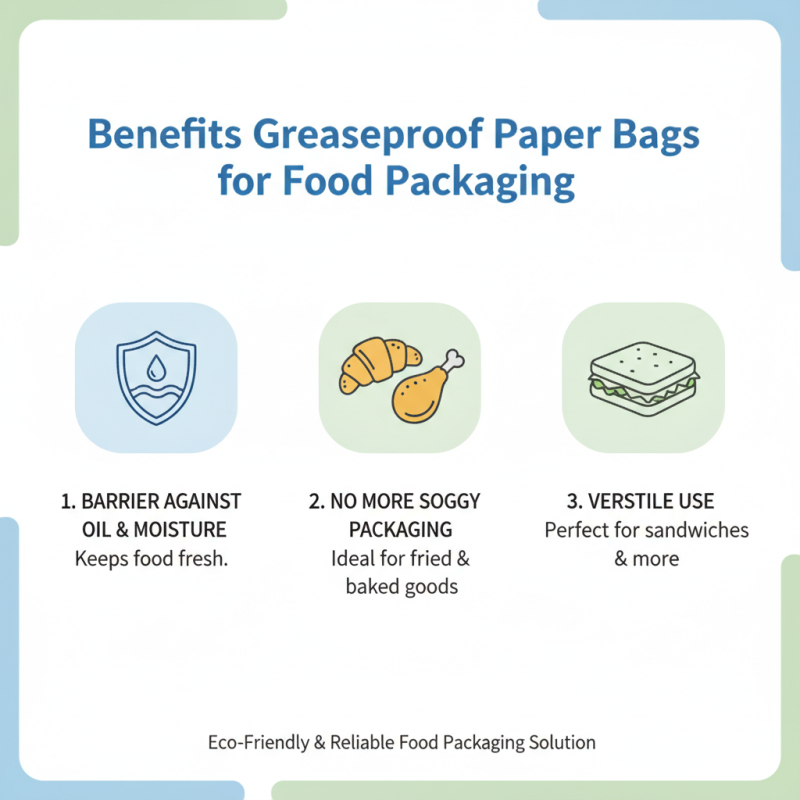
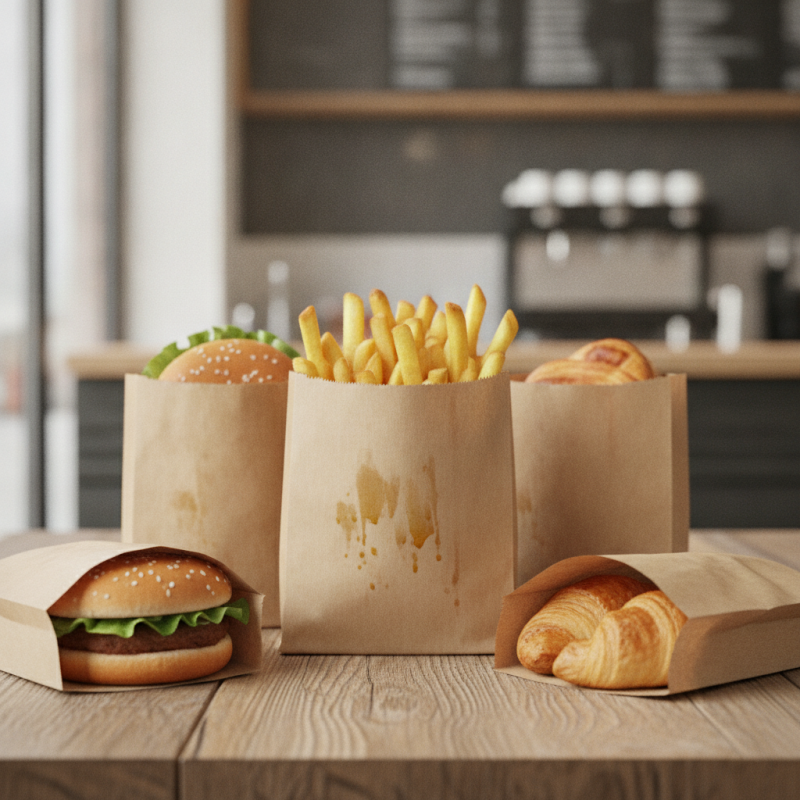
Greaseproof paper bags are an excellent choice for food packaging. They provide a reliable barrier against oil and moisture. This quality keeps food fresh for longer. When using these bags, you can also reduce issues associated with soggy packaging. They are ideal for items like baked goods, fried foods, and even sandwiches.
One important benefit is their eco-friendliness. Many greaseproof paper bags are biodegradable and recyclable. This makes them a great choice for sustainable food service. When you choose environmentally responsible options, you contribute to reducing waste. However, it’s crucial to check the specifications. Not all paper bags claim to be eco-friendly, so look for certifications.
Here’s a tip: always keep your greaseproof bags sealed properly. Even the best packaging can fail without proper closure. Another suggestion is to layer your food with parchment paper inside the bag. This extra step can improve moisture control. Lastly, consider the size of the bag. A well-sized bag prevents excess air space, which can compromise food quality.
Environmental Impact of Greaseproof Paper Bags
Greaseproof paper bags offer a fascinating angle on sustainability. They are often seen as a green alternative to plastic bags. These paper bags are crafted from recycled materials, making them an eco-friendlier choice. Biodegradability is a key feature; they decompose much faster than plastic. This reduces long-term pollution in landfills.
However, the environmental benefits can be overshadowed by production methods. Manufacturing paper requires energy and water. There is always a balance between resource use and gains. While these bags are versatile and useful, their life cycle impacts should not be overlooked. Consumers need to be aware of this complexity when choosing packaging options.
In practical terms, greaseproof paper bags reduce the risk of food contamination. They keep items fresher for longer. But, it's essential to consider the sourcing of raw materials. Responsible sourcing can help minimize carbon footprints. The decisions we make, even about bags, influence the environment significantly. Reflecting on these choices can lead to better practices in daily life.
Applications and Industries Utilizing Greaseproof Paper Bags
Greaseproof paper bags are versatile and widely used across various industries. They are especially popular in the food sector. Bakeries often utilize these bags for pastries and sandwiches. Their ability to resist grease makes them ideal for items like fried foods. Cafés also benefit from these bags when serving takeaway coffees and baked goods.
The retail industry is another significant user of greaseproof paper bags. Clothing stores occasionally employ them for packaging accessories, adding a rustic touch. They are also seen in gift shops, where they hold small items. Their eco-friendly nature appeals to consumers. As sustainability grows in importance, more businesses are turning to these bags.
While greaseproof paper bags have many advantages, they are not without limitations. They may not offer the same strength as plastic alternatives. During heavy use, they can tear more easily. Additionally, their resistance to moisture is limited. Companies need to balance aesthetics and functionality. This insight can lead to improved customer experiences and product satisfaction.




 Jimmy
Jimmy Eric
Eric