2026 Best Wrapping Paper For Food to Enhance Your Packaging
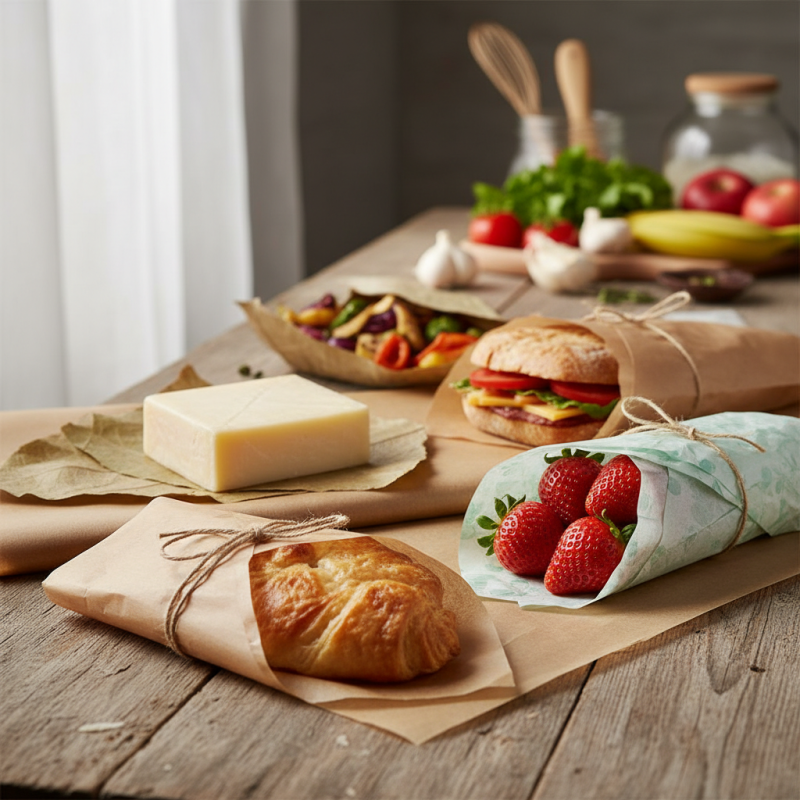
In the world of food packaging, the right Wrapping Paper For Food can make a significant difference. Aesthetics and functionality play crucial roles. This paper not only protects food but also enhances its presentation. With so many options, it’s essential to choose wisely.
High-quality wrapping paper can spotlight your culinary creations. It keeps food fresh while showcasing colors and textures. However, selecting the right type can be challenging. Not all wrapping papers are suitable for all foods. Some may contain harmful substances, while others might not provide adequate insulation.
Consider the environmental impact, too. Some papers are eco-friendly, while others are not. Striking a balance between sustainability and effectiveness is important. While the perfect wrapping paper may seem ideal, each option has its trade-offs. Reflecting on these choices can lead to better packaging solutions in the future.
Understanding the Importance of Wrapping Paper for Food Packaging
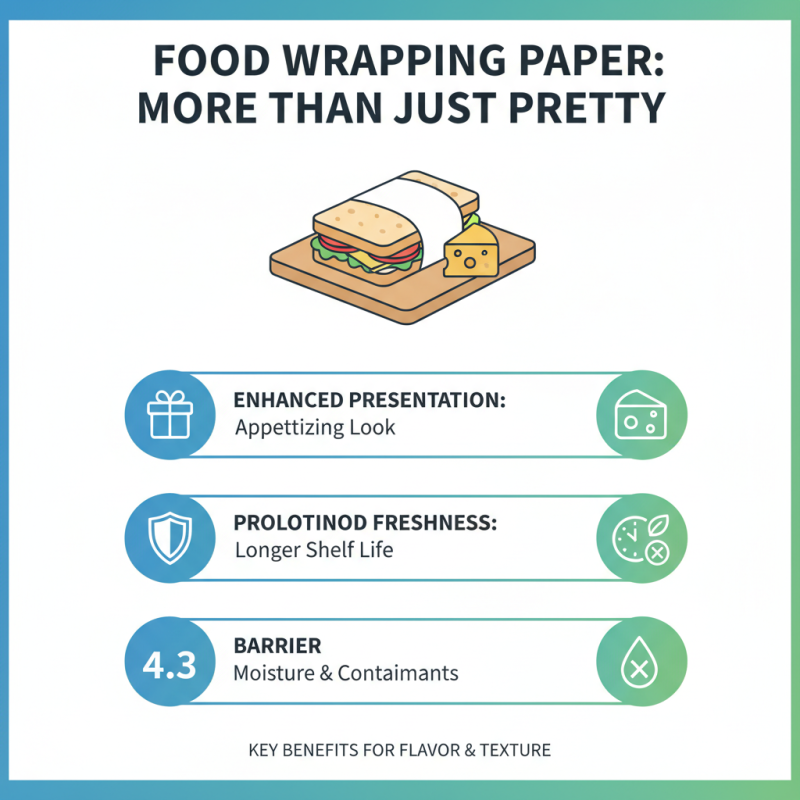
Wrapping paper plays a crucial role in food packaging. It not only enhances the presentation but also protects the contents. Good quality wrapping paper can keep food fresh longer. It acts as a barrier against moisture and contaminants. This is essential for maintaining flavor and texture.
Choosing the right wrapping paper involves understanding its materials. Some papers are more eco-friendly than others. Biodegradable or recyclable options are worthwhile considerations. However, not all paper types are suitable for all foods. For instance, greasy items may require specialized wrapping. It's essential to match the paper type with the food.
Some might overlook the aesthetic aspect of packaging. An appealing wrap can elevate the dining experience. It shows care and intention, and this matters to consumers. But too often, people choose based solely on appearance. It's a balance between form and function. Reflecting on the importance of purpose can lead to better packaging choices.
Types of Wrapping Paper Suitable for Food Item Preservation
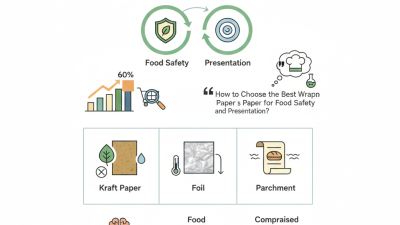
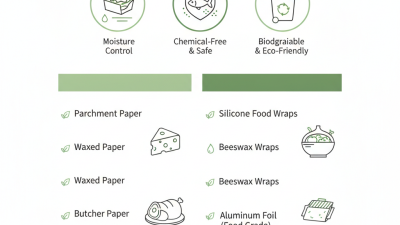
When selecting wrapping paper for food items, the type significantly impacts preservation. According to industry reports, materials such as waxed paper and parchment are commonly favored. Waxed paper acts as a moisture barrier, minimizing spoilage. Studies indicate that wrapping food in waxed paper can extend its freshness by up to 30%. This is particularly beneficial for items like cheeses and meats.
Parchment paper, on the other hand, is heat-resistant and ideal for baking. Its non-stick surface ensures that food maintains its presentation. Research suggests that using parchment can reduce cooking time by 10% when used correctly. Additionally, parchment helps retain flavor and nutrients, essential for health-conscious consumers.
However, it is essential to consider the environmental impact. Many types of wrapping paper are not recyclable. This poses a problem for sustainability initiatives in the food industry. Therefore, examining the materials used in food packaging is crucial. Sustainable options should be prioritized for long-term benefits.
2026 Best Wrapping Paper for Food Preservation
Key Features to Look for in Food Wrapping Paper
When selecting wrapping paper for food, several key features should stand out to enhance your packaging. The first is moisture resistance. Food can often have oils or liquids that could seep through. A good wrapping paper keeps moisture in, preserving freshness. Consider thickness as well. Thicker paper offers more durability and better protection from external elements.
Aesthetics matter too. The design can enhance the presentation of your food. Opt for colors and patterns that complement the food you're packaging. Remember, appealing packaging makes food more enticing. However, ensure that the inks used are food-safe, preventing any contamination.
Tips: Test the paper’s strength by crumpling it. A quality paper should be resilient and not tear easily. Additionally, check if it's easy to work with. Wrapping paper that crinkles too much can complicate the packing process. In the end, striking a balance between functionality and aesthetics is crucial for effective food packaging.
Eco-Friendly Options for Sustainable Food Packaging
When it comes to food packaging, eco-friendly options are gaining traction. Statistics report that around 70% of consumers prefer sustainable packaging. They prioritize environmental responsibility when choosing food products. This creates pressure for businesses to adopt greener solutions.
Many companies are exploring biodegradable and compostable materials. These options reduce plastic waste significantly. For instance, a study found that biodegradable film can reduce pollution by up to 50%. However, not all eco-friendly materials perform equally. It’s essential to test their effectiveness in preserving food quality.
Tips: Choose materials that break down naturally. Look for certifications like "compostable" or "biodegradable." Engage with suppliers who prioritize sustainability.
While the shift to greener packaging is notable, challenges remain. Many sustainable options can be more expensive. This raises questions about affordability for small businesses. Packaging still needs to ensure food safety and freshness. Balancing cost and eco-friendliness requires careful consideration. Engaging in ongoing research can help find optimal solutions.
2026 Best Wrapping Paper For Food to Enhance Your Packaging - Eco-Friendly Options for Sustainable Food Packaging
| Material Type |
Recyclability |
Biodegradable |
Compostable |
Printing Options |
| Recycled Paper |
Yes |
Yes |
Yes |
Custom ink printing available |
| Plant-Based Bioplastics |
Limited |
Yes |
Yes |
Suitable for vibrant colors |
| Kraft Paper |
Yes |
Yes |
Yes |
Natural dyes preferred |
| Reusable Fabric |
No |
Yes |
Yes |
Custom designs available |
| Bamboo Paper |
Yes |
Yes |
Yes |
Eco-friendly printing options |
Creative Techniques for Enhancing Food Packaging with Wrapping Paper
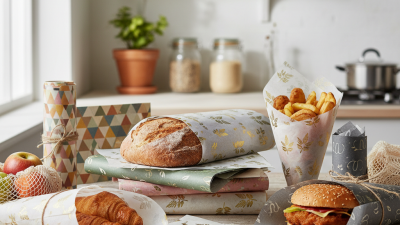
When it comes to food packaging, using wrapping paper creatively can elevate the presentation. Choose paper that complements your food colors and textures. Unique designs attract attention and add a personal touch. Consider patterns inspired by nature, such as leaves or floral motifs, to create an organic feel.
Incorporate layers into your presentation. For example, using a solid colored wrap with a patterned overlay can create depth. Tie the bundled package with twine or natural fibers for a rustic vibe. These details may seem small, but they significantly enhance the overall appeal.
However, it’s essential to select food-safe wrapping options. Not all materials are suitable for direct contact with food. Check for any coatings or dyes that may leach harmful substances. This requires careful research and, sometimes, trial and error. Reflecting on past mistakes can lead to better choices. Ultimately, the right wrapping will not only look good but also keep the food fresh.



 Jimmy
Jimmy Eric
Eric