10 Essential Tips for Using Wax Paper Food Wrapping
In the world of sustainable food storage, "Wax Paper Food Wrapping" holds a unique place. Renowned expert in food preservation, Dr. Emily Carter, emphasizes its versatility, stating, "Wax paper is a simple yet effective way to keep your food fresh." The charm of wax paper lies in its ability to be compostable and reusable. This eco-friendly alternative to plastic wrap has gained considerable attention.
Many individuals are still unaware of the best practices for using wax paper effectively. It's not just about covering food; it's about understanding its properties. Proper techniques can enhance food freshness and reduce waste. However, common mistakes often occur. For instance, some people may not realize that wax paper is not meant for use in the oven, which can lead to unpleasant results.
Exploring the right way to embrace "Wax Paper Food Wrapping" can change how we think about food storage. As we delve into essential tips, it becomes clear that small changes can lead to meaningful impacts. Each choice matters, especially when considering environmental sustainability. Embracing this method could be a step toward a greener kitchen.
Understanding Wax Paper and Its Uses in Food Wrapping
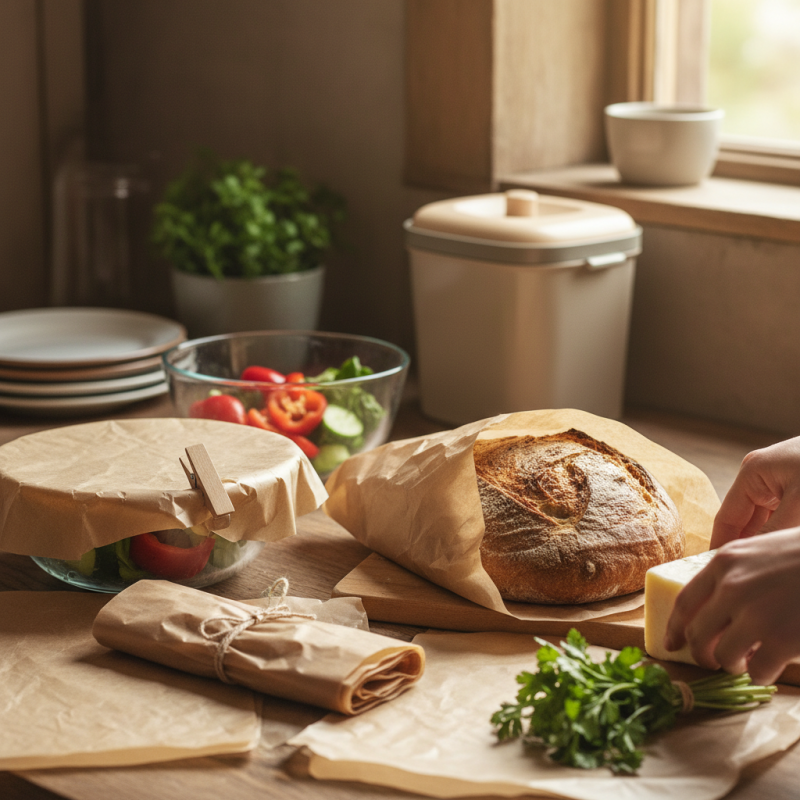
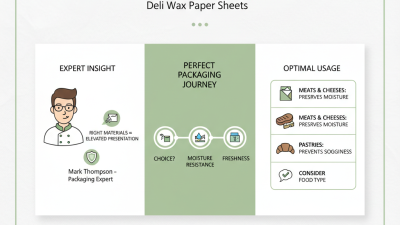
Wax paper is a versatile tool for food wrapping. It is coated with a thin layer of wax, making it moisture-resistant. This quality helps protect food and keep it fresh. Wax paper is often confused with parchment paper, but they serve different purposes. Understanding these differences can help you choose the right type for your needs.
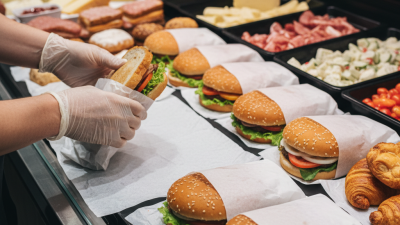
When wrapping food, always keep in mind that wax paper is not heat-resistant. Avoid using it in the oven or microwave. Instead, it excels at wrapping sandwiches and baked goods. For a better seal, use tape or a rubber band. This keeps your food fresh longer. One common mistake is to assume all wax papers are the same. Check for food-safe labeling to ensure safety.
Here are a few tips for effective use. First, cut the wax paper to the right size. A clean edge helps create a neat wrap. Second, avoid wrapping raw meats directly in wax paper. Use it for cooked items instead. Lastly, store wax paper in a cool, dry place to maintain its effectiveness. Proper handling makes a difference. Reflect on these practices to maximize your benefits.
Preparing Food for Wrapping: Best Practices to Follow
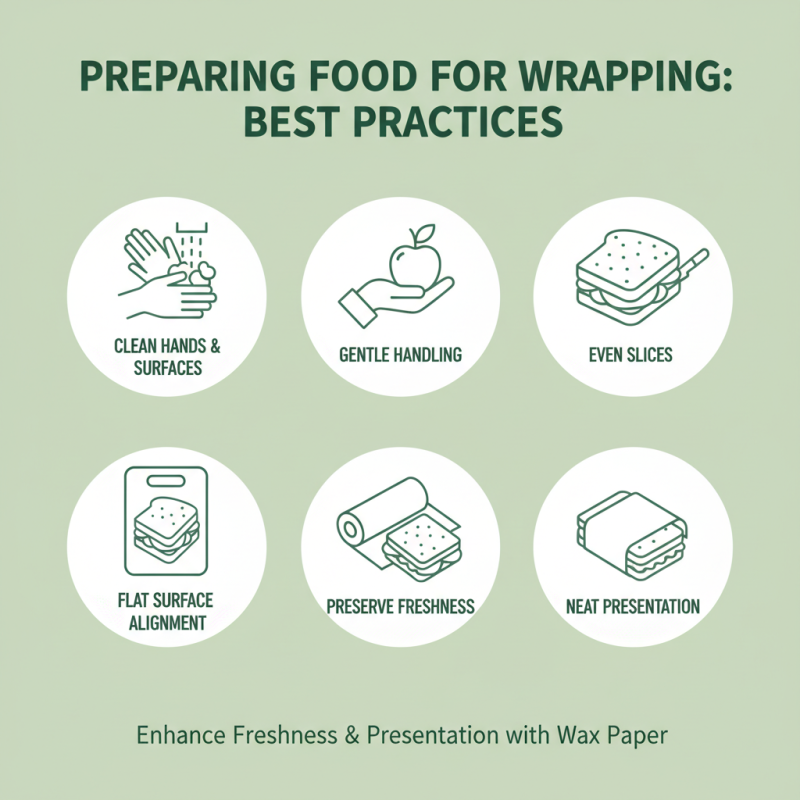
When preparing food for wrapping in wax paper, proper practices can enhance freshness and presentation. Start by ensuring your hands and work surfaces are clean. This prevents contamination. Handle food gently to avoid bruising fruits or crushing delicate items. If you're wrapping sandwiches, slice them carefully. Uneven cuts can make wrapping tricky. Use a flat surface for better alignment.
Temperature is important too. Allow hot foods to cool down before wrapping. This keeps the wax paper intact and prevents moisture buildup. For items like cheese or meats, wrap them tightly to keep air out. Proper sealing preserves flavors and prevents spoiling. Remember, not all foods are suitable for wax paper. Items with strong oils or wet sauces can lead to leaks.
After wrapping, store the food in a cool, dry place. Using wax paper adds a rustic appeal, but it’s not foolproof. You may find occasional leaks. Reflecting on your wrapping technique is key to improvement. Small adjustments make a big difference in food preservation and presentation.
Techniques for Effectively Wrapping Food with Wax Paper
Wax paper is a versatile tool for wrapping food. It serves multiple purposes, like preserving freshness and preventing sticking. When using wax paper, proper techniques matter. Ensure your surfaces are clean and dry. This prevents moisture from compromising your food and the paper.
Start by tearing off the right amount of wax paper. Too little and your food is exposed; too much can lead to waste. Place the food in the center of the paper, then fold the sides over. Tuck the ends under neatly. This ensures a snug fit, keeping air out and flavors in.
Consider the type of food you are wrapping. Soft items like cheese or vegetables might need a different approach than baked goods. Wrap them gently but securely. A common mistake is wrapping too tightly. This can crush delicate items. Practice and adjust based on what you’re wrapping. Recognize that it might take a few tries to get it just right. Embrace the learning process.
Storing and Preserving Wrapped Food: Tips and Tricks
Wax paper is a versatile tool in the kitchen, especially for storing and preserving food. It provides a barrier against moisture and air, which helps keep food fresher for longer. When wrapping food, ensure a tight seal. This reduces the entry of air, slowing down spoilage. Be mindful of humidity. Soft or sticky foods may not fare well in wax paper, as moisture can compromise its protective qualities.
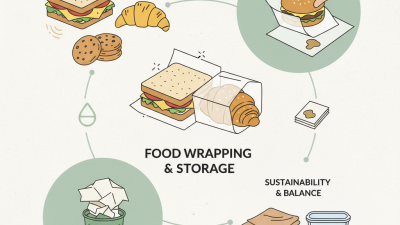
Consider the environment when using wax paper. While it is a renewable resource, misuse can lead to waste. Cut just the right amount needed for each item, avoiding excess. If you’re wrapping cheese, for instance, don’t forget to change the wrapping regularly. This prevents mold and ensures optimal flavor. Use markers to date wrapped items. This helps keep track of freshness and reduces food waste.
Remember that not all items are ideal for wax paper. Foods with strong odors may seep through. You might find that wax paper doesn’t provide enough protection for certain perishables. It can be tricky to gauge which foods work best, but experimenting can lead to better choices. The process might feel imperfect, but it encourages mindfulness around food storage.
10 Essential Tips for Using Wax Paper Food Wrapping - Storing and Preserving Wrapped Food: Tips and Tricks
| Tip Number |
Tip |
Description |
Best For |
| 1 |
Use Double Layers |
For extra protection, wrap food in two layers of wax paper. |
Baked goods |
| 2 |
Avoid Moisture |
Make sure food is dry before wrapping to prevent sogginess. |
Sandwiches |
| 3 |
Store in a Cool Place |
Keep wrapped food in a cool, dry location to avoid melting. |
Cheese and dairy |
| 4 |
Label and Date |
Always label your food with date and contents for clarity. |
Leftovers |
| 5 |
Use for Food Prep |
Utilize wax paper sheets for easy food preparation and cleanup. |
Chopping and preparing |
| 6 |
Avoid Direct Heat |
Do not use wax paper in ovens or microwaves. |
Cooking methods |
| 7 |
Use for Short-Term Storage |
Best for items you plan to consume within a few days. |
Fresh produce |
| 8 |
Layering for Cheese |
Wrap cheese in wax paper to allow it to breathe while storing. |
All types of cheese |
| 9 |
Cut to Size |
Cut wax paper to the appropriate size for the food item you are wrapping. |
Variety of foods |
| 10 |
Recycle After Use |
Wax paper can often be recycled after it has been used. |
Sustainable practices |
Eco-Friendly Aspects of Using Wax Paper in the Kitchen
Wax paper is a versatile tool in the kitchen, and it brings eco-friendly benefits. Unlike plastic wrap, wax paper is biodegradable and can decompose naturally. This means it won't contribute to landfill waste. When you choose wax paper, you are opting for a sustainable option that has less environmental impact.
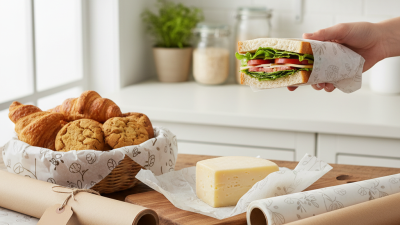
Using wax paper for food wrapping is not just eco-friendly; it's also practical. It can preserve freshness for various foods. Wrap sandwiches or baked goods in wax paper to keep them soft and delicious. The wax coating creates a moisture barrier while allowing the food to breathe. However, remember that it's not suitable for all food types. Wet or oily items can break down the wax.
For effective use, consider these tips: Keep wax paper away from high heat. It’s not suitable for microwaving or direct contact with hot foods. Also, experiment with cutting precise sizes. A pair of scissors will help you achieve cleaner edges. Dull edges may not seal well, leading to unwanted spills. Understand that minor imperfections can happen in the wrapping process; it's part of learning how to use this material effectively.




 Jimmy
Jimmy Eric
Eric