What is a Greaseproof Paper Bag and Its Benefits for You?
In the ever-evolving world of packaging, the Greaseproof Paper Bag stands out as a top choice for many businesses. According to Jane Smith, a renowned expert in sustainable packaging, "Greaseproof Paper Bags not only protect food but also embrace eco-friendly values." These bags are crafted to repel grease, making them ideal for takeout and snacks.
The benefits of using Greaseproof Paper Bags extend beyond mere practicality. They offer a sustainable alternative to plastic. By choosing these bags, brands can enhance their image and appeal to environmentally conscious consumers. However, many still question their effectiveness and cost.
There is a journey to navigate in the greaseproof paper bag industry. Not all bags are created equal; some may not provide the intended barrier against grease. Exploring these options with a critical eye can lead to better choices. The Greaseproof Paper Bag can be a game-changer, but understanding its limitations is crucial for businesses aiming to innovate.
What is Greaseproof Paper?
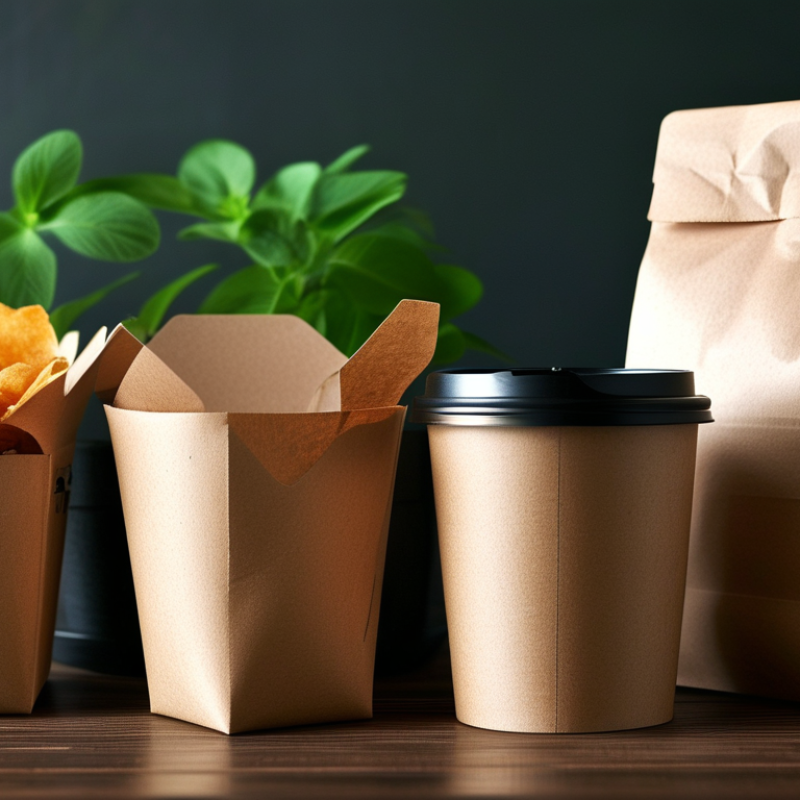
Greaseproof paper is a special type of paper designed to resist oil and grease. This unique property makes it ideal for packaging food items. Often used in bakeries and restaurants, it ensures that food stays fresh while minimizing mess. Greaseproof paper is typically made from a variety of cellulose fibers that provide durability and strength.
The benefits of greaseproof paper extend beyond its practical use. It keeps greasy foods from leaking through the packaging, which is vital for high-quality service. Also, this type of paper is often biodegradable, appealing to environmentally conscious consumers. It helps reduce plastic waste by offering a sustainable alternative. However, not all greaseproof papers are created equal. Some may still fail to hold up under high grease conditions, leading to unsatisfactory results.
Using greaseproof paper can help enhance the presentation of dishes, too. It adds a rustic touch to food packaging, making it visually appealing. People appreciate the tactile experience of unwrapping their food. Still, it’s essential to source greaseproof paper responsibly. Being aware of where materials come from can make a significant difference. Quality matters, and sometimes, the cheapest option might result in disappointment.
Benefits of Using Greaseproof Paper Bags
The Composition and Manufacturing Process of Greaseproof Paper Bags
Greaseproof paper bags are designed with a unique composition that makes them ideal for various food applications. The main material used is high-quality pulp, which undergoes a refining process. This ensures that the paper has enhanced fiber strength. Additionally, a coating can be applied to improve resistance to grease and moisture. This combination results in a durable product that protects its contents effectively.
The manufacturing process of greaseproof paper bags involves several stages. Initially, the pulp is processed into sheets. These sheets are then treated with substances that render them greaseproof. Cutting and shaping follow, as manufacturers create bags in various sizes. This method requires precision to ensure all bags meet quality standards. While many products achieve desired attributes, challenges can arise during production, such as improper coating.
Greaseproof paper bags offer clear benefits. They maintain food quality by preventing leaks. However, issues occasionally surface, like inconsistencies in grease resistance. Companies must stay vigilant to maintain product integrity. Overall, the process of making greaseproof paper bags showcases innovation and the need for quality control in food packaging solutions.
Key Benefits of Using Greaseproof Paper Bags in Food Packaging
Greaseproof paper bags have become essential in the food packaging industry. These bags are designed to resist grease and oils, making them ideal for baked goods and fried foods. According to industry data from Future Market Insights, the use of environmentally friendly packaging is projected to grow by over 20% annually. This trend highlights the increasing demand for sustainable options.
One significant benefit of greaseproof paper bags is their ability to maintain food freshness. They prevent oil penetration, keeping food items crisp and delicious. This quality reduces waste and enhances customer satisfaction. A report by the Food Packaging Association noted that nearly 30% of consumers prefer products packaged in greaseproof materials. This preference can boost sales for businesses that prioritize quality packaging.
Moreover, these bags are biodegradable, aligning with current consumer values. Many people seek sustainable packaging that minimizes environmental impact. Using greaseproof paper bags can significantly reduce plastic waste. Research indicates that shifting to paper-based products could reduce landfill contributions by about 40%. While they may not perform as well as plastic in durability tests, their environmental benefits often outweigh these concerns. Balancing performance and sustainability remains a challenge in the industry.
Comparative Analysis: Greaseproof Paper Bags vs. Traditional Packaging
When comparing greaseproof paper bags to traditional packaging, several factors stand out.
Greaseproof paper bags are increasingly favored for their eco-friendly attributes.
According to industry reports, around 67% of consumers prefer sustainable packaging options.
This demand drives businesses to adopt materials that minimize environmental impact, aligning with current consumer trends.
Traditional packaging often relies on plastic.
A recent study highlights that 73% of plastic waste is not recycled.
This statistic raises concerns about environmental degradation.
Greaseproof bags, made from renewable resources, are biodegradable.
They break down faster than plastic, reducing landfill waste significantly.
In fact, they can decompose within three to six months in optimal conditions.
In terms of functionality, greaseproof paper bags excel in preventing leaks and maintaining food quality.
Research indicates that they retain moisture better than traditional plastic wraps.
Still, some challenges exist.
Greaseproof paper may not be suitable for all products, particularly wet or saucy items.
Businesses should evaluate product compatibility before making a switch.
Overall, while greaseproof paper bags possess notable benefits, assessing specific use cases is essential for optimal outcomes.
Eco-Friendly Aspects of Greaseproof Paper Bags and Sustainability
Greaseproof paper bags represent a significant shift towards eco-friendly packaging solutions. Made from sustainable materials, these bags are designed to repel grease and moisture without the use of harmful coatings. According to the European Bioplastics Association, the demand for biodegradable packaging is projected to reach 2.4 million tons by 2025. This trend underscores the growing awareness of environmental sustainability in the packaging industry.
While many conventional packaging options rely on plastics, greaseproof paper bags offer a viable alternative. They decompose naturally, helping to reduce landfill waste. In fact, studies show that 30% of all waste in landfills is attributed to plastic packaging. Consumers are becoming more conscientious about their choices, leading to a rise in demand for sustainable products. However, it is crucial to ensure that manufacturers source their materials responsibly and maintain high-quality production standards.
Despite the advantages, there are challenges in fully replacing plastic with paper. For instance, the production of paper contributes to deforestation if not sourced sustainably. Additionally, not all paper bags have the same level of grease resistance, which can affect their performance in real-world applications. Continuous improvements in technology and material sourcing are necessary to enhance their efficacy and broader adoption in the food industry.
What is a Greaseproof Paper Bag and Its Benefits for You?
| Feature |
Description |
Benefits |
| Material |
Made from sustainable paper sources |
Biodegradable and eco-friendly |
| Oil Resistance |
Special coating that prevents grease from seeping |
Keeps food clean and fresh |
| Durability |
Strong and tear-resistant material |
Long-lasting and reliable for packaging |
| Customization |
Available in various sizes and designs |
Promotes brand identity and aesthetics |
| Recyclability |
Can be recycled with paper products |
Reduces landfill waste and conserves resources |
| Cost-Effectiveness |
Affordable compared to other packaging options |
Budget-friendly for businesses |







 Jimmy
Jimmy Eric
Eric