Leave Your Message

Top 10 Parchment Paper Sheets Suppliers Worldwide?

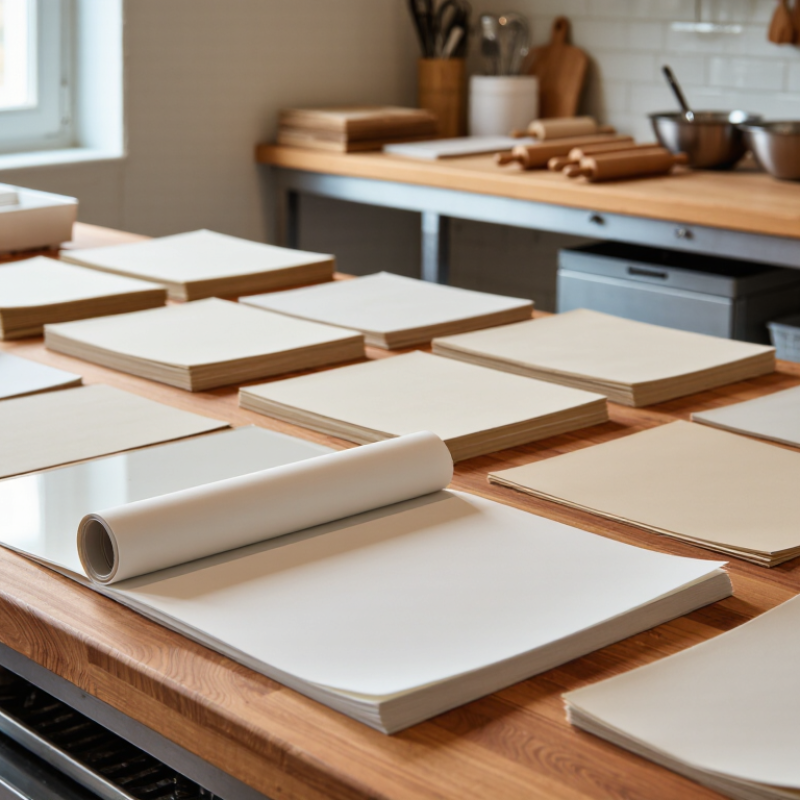
Parchment Paper Sheets may look simple on a bakery tray, yet their performance depends on details buyers can easily overlook. Silicone coating, paper weight, sheet size, and heat resistance all affect release, handling, and consistency. A sheet that curls at the edges or tears when lifted can slow a busy kitchen. Small differences matter.

This guide compares ten worldwide suppliers through practical purchasing questions: What formats do they offer? Can they provide consistent specifications? Are samples and technical documents available? Buyers should also check whether product claims match the intended use, since “greaseproof” and “non-stick” do not describe every performance requirement. Ask for clear product data. Test sheets under real working conditions.

I cannot responsibly attribute a quotation to a named parchment-paper expert without a verifiable source. Rather than invent one, this introduction uses a straightforward sourcing principle: “Choose the sheet by documented performance, not by appearance alone.” It is a useful reminder, though not a sourced expert quotation. A comparison list can help narrow the field, but it cannot replace sample testing or direct supplier checks. Specifications may vary by product line, and supplier information can change. That is worth keeping in mind.
Top 10 Parchment Paper Sheets Suppliers Worldwide?

What Parchment Paper Sheets Are and How They Are Made

Parchment paper sheets are thin, food-contact papers designed to resist grease and reduce sticking. They are not the same as wax paper: baking parchment is commonly treated with a food-grade silicone coating, which helps it release cookies, roasted vegetables, and sticky dough. The base sheet is usually made from cellulose fibers. It feels smooth, yet still bends easily around a pan.

Manufacturing starts with wood pulp, which is cleaned, refined, and formed into a thin paper web. The web is dried and treated to create a dense, heat-resistant surface; silicone may then be applied and cured. Exact processes vary by producer, so “parchment” does not guarantee identical temperature limits or compostability. The U.S. Environmental Protection Agency reported a 68.2% recycling rate for paper and paperboard in 2018. That broad figure does not mean used baking sheets are recyclable: grease and coatings can affect local acceptance. A small detail, but an important one.

Tips: Check the package’s maximum oven temperature before use. Keep sheets away from heating elements, and avoid letting excess paper rise above the pan. Reuse a sheet only when it remains clean and intact. For disposal, follow local waste guidance; coated or food-soiled sheets may not belong in paper recycling.


Key Factors for Evaluating Global Parchment Paper Suppliers

Top 10 Parchment Paper Sheets Suppliers Worldwide?

Key Factors for Evaluating Global Parchment Paper Suppliers

Choosing a parchment paper supplier takes more than comparing prices. Start with the sheet’s intended use: baking, wrapping, or food preparation. Check whether the paper handles the temperatures your process requires, and ask for clear product specifications. A sample can reveal details a data sheet may miss, such as curling at the edges or sheets sticking together. Small tests matter.

Consistent quality is essential. Request information about basis weight, coating, sheet dimensions, and production tolerances. Then compare samples from different batches, not just one attractive first delivery. Ask how the supplier manages defects and handles production changes. Answers should be specific. Vague assurances are a warning sign, though not proof of poor performance.

Delivery reliability deserves equal attention. Confirm typical lead times, minimum order quantities, packaging methods, and how the supplier protects sheets from moisture or damage during transit. Request relevant quality documents and verify that they match the products being offered. Communication is part of the evaluation, too: prompt, precise replies can make a real difference when a shipment is delayed. No supplier is flawless, and buyers should leave room for unexpected variation.

Parchment Sheet Sizing: Common Commercial Sheet-Pan Dimensions

Compare a supplier’s sheet dimensions with common commercial pan sizes to assess fit and reduce trimming or overhang.

Dimensions shown are approximate nominal pan sizes in inches; actual pan dimensions can vary by manufacturer. Confirm parchment sheet dimensions and pan fit with the supplier.

How the Worldwide Supplier Market Is Organized

Top 10 Parchment Paper Sheets Suppliers Worldwide

The worldwide parchment paper market is organized around production scale, regional access, and product specialization. Large integrated mills usually control pulp sourcing, coating, cutting, and export logistics. Regional converters buy jumbo rolls and transform them into baking sheets, pre-cut squares, or custom packs. Distributors then connect these products with retailers, food-service buyers, and smaller manufacturers.

A practical top-ten supplier list should examine more than production volume. Reliable evaluation includes paper weight, heat resistance, grease performance, packaging accuracy, and batch consistency. Factory documentation matters, including food-contact declarations, test reports, and traceable lot numbers. Delivery performance also reveals the market structure. Some suppliers keep inventory near major ports, while others produce only after receiving confirmed orders.

Specialists often serve demanding segments.

A supplier focused on household baking may not suit industrial ovens. Buyers should compare sample sheets under real conditions, such as 200°C baking, freezer storage, and repeated handling. Moisture exposure can reveal weak packaging surprisingly fast. Prices can mislead. A cheaper quotation may exclude testing, inner cartons, or customs-ready documents. Even experienced procurement teams can overvalue attractive samples and overlook late deliveries. That weakness deserves attention. Market rankings also change with energy costs, freight capacity, and regional demand, so a static list can become outdated before the next purchasing cycle.

Profiles of Ten Leading Parchment Paper Sheet Suppliers

A useful profile of parchment paper sheet suppliers starts with what each operation actually does. Some focus on high-volume food-service orders; others specialize in custom sheet sizes or baking applications. Industrial converters may offer broad production capacity, while regional distributors can provide shorter delivery routes. Export-oriented suppliers often emphasize packaging and shipping coordination. These differences matter more than polished catalog language. Details matter.

Other profiles include private-label manufacturers, suppliers offering certified fiber options, coated-paper specialists, and firms serving smaller, varied orders. A final group may concentrate on dependable stock sizes for bakeries and commercial kitchens. These are supplier types, not a verified ranking: capacity and product range can change, so buyers should confirm current specifications directly.

When comparing candidates, request samples and check thickness, sheet dimensions, release performance, and packaging. A sheet that lies flat on a baking tray may be easier to handle during a busy shift. Ask how the supplier manages batch consistency and what happens when a shipment arrives damaged. I would not treat an attractive sample as proof of long-term consistency; repeat orders provide a better test. That can be inconvenient, but it is worth admitting. A careful profile should distinguish confirmed product details from marketing claims and note where information remains unclear.

How to Compare Suppliers and Choose the Right Partner

When comparing ten parchment paper sheet suppliers, I start with product consistency, not attractive promises.

Ask each supplier for basis weight, sheet dimensions, coating details, heat limits, and packaging specifications. A clear technical sheet should state acceptable tolerances. Request samples from different production lots. Small details matter.

Price alone can mislead buyers. Compare quoted prices with minimum order quantities, tooling charges, freight terms, and replenishment times. A low unit price may become expensive when cartons arrive damaged or production pauses. I also examine food-contact declarations, independent test reports, and lot traceability records. These documents show whether the supplier controls materials and production properly.

Reliability appears in ordinary communication. Ask for a written delivery schedule and a realistic response time for quality complaints. Suppliers with stable production records can usually explain their backup plans without hesitation. Communication during sampling is revealing. Do they answer technical questions directly? Do they admit limitations? My own comparison sheets are never perfect, especially when samples perform differently in real ovens. That weakness deserves attention, not concealment. Choose a partner that shares measurable data, accepts reasonable audits, and adjusts specifications carefully when your application changes.