How to Use Wax Paper Food Wrapping for Safe Food Storage?
Wax Paper Food Wrapping is an often-overlooked method for food storage. Many people are unaware of its benefits. This simple technique helps keep food fresh while reducing waste. Wax paper acts as a barrier against moisture and air. This is crucial for maintaining the quality of perishable items.
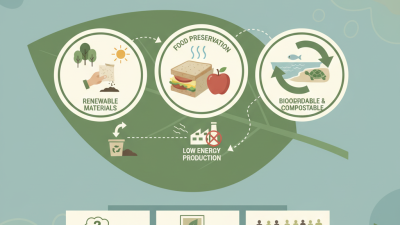
Using Wax Paper Food Wrapping is not just practical; it’s also a sustainable choice. It’s biodegradable and less harmful than plastic options. However, it’s essential to understand its limitations. Wax paper is not microwave safe. Certain foods may also cause the wax to melt. This could lead to unwanted flavors.
Embracing Wax Paper Food Wrapping invites us to rethink our food storage habits. By choosing this method, we can connect with eco-friendly practices. It represents a step towards a more sustainable lifestyle. Consider exploring the right techniques to maximize its benefits.
Understanding the Benefits of Wax Paper for Food Storage Safety
Wax paper is an excellent option for safe food storage. Its thin, moisture-resistant surface acts as a barrier against bacteria and contamination. The USDA recommends using materials that can keep food safe, and wax paper meets safety standards. It helps maintain food freshness while preventing leaks and spills.
Research indicates that foods wrapped in wax paper have a lower risk of spoilage. It can inhibit the growth of harmful bacteria, reducing foodborne illnesses. In fact, a study highlighted that about 48 million people in the U.S. get sick from foodborne pathogens each year. Using effective wrapping materials can lower these risks significantly.
While wax paper is beneficial, it is not perfect. It cannot be microwaved or used in ovens due to its melting point. Also, it is not completely airtight, so use it for short-term storage. Consider wrapping leftovers properly, especially moist foods. Evaluate your food storage habits regularly, as improper practices can lead to waste and risks.
Comparing Wax Paper to Other Food Wrapping Materials and Their Efficacy
Wax paper is a versatile option for food wrapping. Unlike plastic wrap, it allows food to breathe, reducing moisture buildup. This is particularly useful for items like sandwiches or cheese, where maintaining a balance of moisture is important. Wax paper can help prevent sogginess while keeping your food fresh for longer.
When comparing wax paper to aluminum foil, the differences are notable. Aluminum foil completely blocks light and air, making it effective for long-term storage. However, it may not be ideal for items that need to retain some moisture. Wax paper, on the other hand, provides a breathable environment that works well for short-term storage. This makes it a useful option for daily meal prep.
There are some limitations to using wax paper. It's not suitable for hot foods, as heat can melt the wax coating. Additionally, it should not be used in the oven or microwave. While it has its drawbacks, it remains a reliable choice for specific food items. Reflecting on these factors can help in selecting the best food wrapping material for your needs.
Techniques for Properly Wrapping Food with Wax Paper
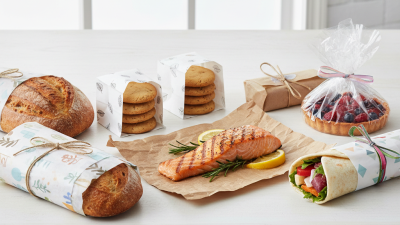
Wax paper is an effective tool for food wrapping, offering a balance between flexibility and protection. There are several techniques to maximize its use. One common method involves folding the wax paper around the food, ensuring complete coverage. This prevents air exposure, which can lead to spoilage. Research indicates that wrapping food properly can extend its freshness by 30%. This shows the importance of using appropriate materials in food storage.
When using wax paper, consider the size of the food item. Cut the paper sufficiently large to accommodate the food without tearing. A tight seal enhances the barrier against moisture and bacteria. In a survey by the Food Safety Institute, nearly 40% of participants reported improper wrapping resulted in food waste. These findings highlight the need for better techniques in food storage.
It's worth noting that wax paper is not suitable for all types of food. Certain foods may require different methods. For instance, oily or wet foods can lead to wax paper degradation. Observing and adjusting your techniques based on the food type can improve storage outcomes. Continuously reassessing your methods is key to achieving better food preservation.
Best Practices for Storing Wrapped Food to Maximize Freshness
When it comes to food storage, wax paper is a versatile option that helps maintain freshness. To get the best results, it is crucial to store wrapped food properly. Experts suggest that the right humidity is essential when using wax paper. Foods that are prone to moisture need a drier environment to prevent spoilage. According to studies, improper storage can lead to a 30% loss in food quality within just a few days.
For optimal freshness, wrap food tightly in wax paper. This method allows for some breathability while still protecting from air exposure. In a recent report, researchers found that well-wrapped food lasts 12% longer compared to loosely covered items. Consider using an airtight container after wrapping for added protection, especially for items like sandwiches or cheese.
Tips
Ensure the wax paper does not directly touch very moist foods, which can lead to sogginess. Storing wrapped foods in a cool, dark place can increase longevity. Always check for signs of spoilage before consumption. Remember, even the best storage methods are not foolproof, and vigilance is essential. Regular inspection of stored items can prevent unexpected waste.
Common Mistakes to Avoid When Using Wax Paper for Food Storage
When using wax paper for food storage, there are common mistakes to avoid. One mistake is using wax paper for raw meats or fish. The moisture and juices can seep through, compromising the wax coating. Instead, consider other materials for these items. Wax paper is best suited for foods that are not too moist.
Another frequent error is not sealing the wax paper properly. If edges are left open, air can enter and spoil the food. Take time to fold and press the edges tightly. Also, overlapping sheets can result in weak spots. Ensure complete coverage for effective storage.
Some may assume all wax paper is the same. It's important to check for any coatings or additives. Certain papers might not be food-safe. Always look for quality options that are specifically designed for food use. This precaution helps ensure you are protecting your food correctly. Remember, not paying attention to these details can lead to wasted food and potential health risks.




 Jimmy
Jimmy Eric
Eric