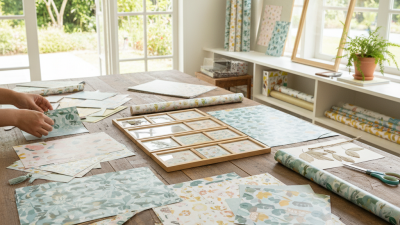
The 2026 global Gift Wrapping Paper market reflects changing tastes, stricter sourcing expectations, and faster retail cycles. Buyers now examine more than color and pattern. They compare fiber origin, print quality, coating performance, minimum order quantities, and delivery reliability.
Walter Soroka, a respected packaging educator and author, described packaging simply: “Packaging is the product.” This idea remains useful when evaluating manufacturers worldwide. Gift Wrapping Paper protects a present, shapes the opening moment, and communicates a retailer’s values before the package is opened. Strong suppliers understand all three roles.
This guide reviews leading manufacturers across Europe, Asia, North America, and other major production regions. The comparison considers manufacturing experience, material choices, design capabilities, certifications, customization, and supply-chain transparency. Recycled paper can reduce virgin-fiber demand, while responsibly sourced paper may offer stronger traceability. Water-based inks and recyclable finishes also deserve attention. Details matter.
Still, no ranking is perfect. A factory with advanced printing may not provide the best small-batch service. A low-cost supplier may create delays through inconsistent color matching. Even sustainability claims require careful verification. The most attractive sheet may contain a difficult-to-recycle laminate. That is easy to overlook.
Our selection therefore balances measurable performance with practical buyer experience. Sample testing remains essential. Check folding behavior, tear resistance, surface feel, and color accuracy under real lighting. The manufacturers featured here represent credible options for retailers, brands, importers, and private-label buyers planning their 2026 sourcing strategies. Market conditions can change quickly, so readers should confirm current certifications, production capacity, and shipping terms before making final decisions.

Global Gift Wrapping Paper Manufacturing Landscape in 2026
The 2026 gift wrapping paper market is becoming more regional and technically demanding. Grand View Research estimates the global gift wrapping paper market will expand steadily through 2030, supported by seasonal retail, e-commerce, and premium presentation. Definitions vary between reports, so exact market values should be treated carefully. Still, the direction is clear.
Asia-Pacific remains a major production base, supported by integrated pulp, paper, printing, and converting capacity. European manufacturers focus more on recycled fibers, restrained ink coverage, and traceable sourcing. North American facilities increasingly serve short production runs, customized patterns, and faster delivery. Smithers’ paper-based packaging research also identifies sustainability, lightweighting, and fiber recovery as important investment themes toward 2028.
Material choices are changing on the factory floor. Recycled-content papers, water-based coatings, and plastic-free finishes are gaining attention. Yet recycled fibers can reduce surface smoothness and color consistency. That creates a real manufacturing compromise. Premium buyers still expect sharp metallic details and clean folding.
Manufacturers are therefore upgrading gravure, flexographic, and digital printing systems. Digital equipment helps reduce waste during small orders, although its unit cost remains higher. The Ellen MacArthur Foundation reports that packaging redesign works best when material reduction supports practical recycling systems. This is often overlooked. A beautiful wrapping sheet can still fail if local recovery facilities cannot process it. In 2026, reliable suppliers will be judged by measurable fiber content, production consistency, energy records, and transparent sourcing—not appearance alone.

When evaluating gift wrapping paper manufacturers in 2026, inspect more than glossy catalogs. Request physical samples with different finishes, fold them, and check cracking along sharp edges. Measure sheet weight, opacity, and roll width against your product requirements. A dense sheet should hide print bleed and survive handling. Look closely. Color consistency matters across batches, especially for seasonal collections. Ask how the manufacturer controls ink density, drying time, and registration during production. These details reveal practical experience better than polished claims.
Reliable manufacturers provide traceable material information, recent test reports, and clear production records. Verify fiber content, recycled claims, coating details, and relevant safety documentation through independent evidence. A factory audit can reveal storage problems, dust, weak packaging, or crowded work areas. Capacity also deserves a realistic review. Compare stated output with machinery, staffing, quality checkpoints, and previous order references. Ask about minimum order quantities, sampling charges, lead times, and responses when defects appear. Ask for proof. Vague answers are costly.
Sustainability should be assessed beyond a green label. Check whether paper, inks, and adhesives fit your disposal or recycling goals. Confirm carton strength and moisture protection during shipping; damaged rolls create hidden waste. Communication is another key criterion. A dependable team flags delays early and records corrective actions clearly. I have seen attractive samples fail after long storage, so request aging or humidity tests when market conditions demand them. No checklist is perfect. Recheck assumptions before signing. A lower price may reflect thinner paper, slower inspection, or higher replacement risk.
Asia-Pacific remains the main manufacturing base for gift wrapping paper in 2026. According to Grand View Research, the global gift wrapping paper market is expected to grow at roughly 6% annually through 2030. Regional mills benefit from large paper-converting networks, shorter production cycles, and strong export capacity. China, India, Vietnam, and Indonesia increasingly supply printed rolls, sheets, tissue paper, and customized seasonal designs. However, low prices can hide inconsistent coating quality. Buyers should inspect color stability, basis weight, and carton protection before ordering.
Europe leads in recycled-content development and stricter packaging design. The European Paper Industry reports that paper recycling rates in Europe remain above 80%, creating strong demand for recovered fiber and recyclable finishes. Manufacturers in Germany, Italy, Poland, and Spain often focus on premium textures, water-based inks, and compact packaging. Some metallic laminations still complicate recycling. That detail deserves more attention.
North American producers compete through fast replenishment, private-label flexibility, and holiday-focused collections. The Paper Packaging Board reports that paper packaging continues gaining consumer trust for renewable and recyclable characteristics. Producers in the United States, Canada, and Mexico increasingly offer shorter print runs and regional warehousing. Latin American suppliers are also expanding, especially near major retail markets. The World Packaging Organisation notes that sustainability claims need clearer evidence, not attractive wording alone. That is an uncomfortable but necessary standard for 2026 sourcing decisions.
2026 Top Gift Wrapping Paper Manufacturers Worldwide
Materials, Designs, and Production Capabilities
Gift wrapping paper starts with material selection, not decoration. Recycled kraft paper offers a natural texture and dependable strength. Lightweight coated paper supports brighter colors and sharper images. Tissue paper creates softness, but it can tear during folding. Water-based inks reduce odor and suit many retail applications. Metallic finishes add impact, although they may complicate recycling. Buyers should request fiber details, coating information, and traceable certification records.
Design capability now depends on both creativity and technical control. Manufacturers can produce repeating patterns, seasonal artwork, custom logos, and small personalized runs. Accurate color proofing matters when several production batches must match. Fine linework may disappear on rough paper. Dark ink can also appear uneven on porous surfaces. These details are easy to overlook.
Production strength includes printing, drying, slitting, folding, and final inspection. Gravure and flexographic presses suit larger volumes, while digital systems support shorter runs and faster artwork changes. Reliable factories measure roll width, paper weight, print alignment, and tensile strength. They should also explain minimum order quantities and realistic lead times. I would not approve a sample from appearance alone. A wrapping sheet must fold cleanly, resist tearing, and remain attractive under store lighting. No process is perfect. A small crease can reveal more than a polished presentation.
Industry-level comparison of common manufacturing profiles, material specifications, design capabilities, and production ranges.
| Manufacturer Profile | Primary Production Region | Main Paper Materials | Typical Grammage | Design and Printing Capabilities | Finishing Options | Common Roll or Sheet Formats | Typical Production Scale | Sustainability and Compliance Focus |
|---|---|---|---|---|---|---|---|---|
| High-Volume Standard Paper Converter | East Asia and Southeast Asia | Coated kraft, uncoated kraft, recycled paper, and semi-gloss paper | 60–100 gsm | Flexographic and gravure printing; repeating patterns; 1–8 color production | Matte varnish, gloss varnish, water-based coating, and basic embossing | Roll widths of approximately 500–1,200 mm; cut sheets available | Large-volume continuous production; container-scale export capability | Recycled fiber options, responsible forestry inputs, water-based inks, and recyclable paper structures |
| Premium Decorative Paper Producer | Western Europe and North America | Virgin-fiber coated paper, textured paper, recycled premium stock, and specialty papers | 80–140 gsm | Offset, digital, and flexographic printing; detailed illustrations; custom seasonal collections | Foil stamping, spot coating, tactile varnish, embossing, debossing, and textured finishes | Retail sheets, gift rolls, narrow rolls, and custom die-cut formats | Medium-volume production with strong short-run and customization capabilities | Certified fiber sourcing, low-VOC or water-based inks, recyclable coatings, and waste reduction |
| Recycled Kraft Paper Specialist | Europe, North America, and selected Asian markets | Post-consumer recycled kraft, post-industrial recycled paper, and unbleached kraft | 70–120 gsm | One- to six-color flexographic printing; botanical, minimalist, and natural graphics | Uncoated finish, water-based varnish, light embossing, and recycled-paper texture | Standard rolls, sheets, and custom-width rolls for retail and e-commerce packaging | Medium to high production volumes; efficient repeat-order manufacturing | High recycled-content grades, recyclable mono-material construction, and reduced coating use |
| Digital Customization Manufacturer | North America, Europe, and Australia | Uncoated paper, coated paper, recycled stock, and inkjet-compatible gift wrap grades | 70–150 gsm | High-resolution digital inkjet or electrophotographic printing; variable data; photo-quality graphics | Protective aqueous coating, soft-touch coating, trimming, and custom slitting | On-demand sheets and rolls; custom dimensions for online and corporate orders | Short to medium runs; low minimum order quantities and rapid artwork changes | Reduced setup waste, recyclable paper substrates, and localized production to shorten shipping distances |
| Luxury Foil and Embossed Paper Manufacturer | Italy, Germany, France, the United Kingdom, and East Asia | High-density coated paper, textured stock, colored kraft, and specialty fiber paper | 90–160 gsm | Offset and gravure printing; complex repeating artwork; metallic and multilayer effects | Hot foil, cold foil, holographic effects, deep embossing, micro-embossing, and high-gloss varnish | Premium sheets, gift rolls, narrow rolls, and bespoke presentation formats | Low to medium volumes with high value-added finishing and strict quality inspection | Recyclable foil systems where available, controlled chemical use, and certified paper sourcing |
| Large-Format Commercial Printer | North America, Western Europe, and China | Coated publication paper, kraft paper, recycled paper, and lightweight board | 80–180 gsm | Sheet-fed offset, web offset, and digital presses; high color consistency across large campaigns | Aqueous coating, UV coating, lamination, scoring, folding, and precision cutting | Large sheets, retail rolls, counter rolls, and custom oversized formats | High-volume campaign production with automated converting and packing lines | Print-waste control, recycled or certified stocks, energy-efficient presses, and recyclable paper packaging |
| Handmade and Artisan Paper Producer | South Asia, Southeast Asia, Europe, and Latin America | Handmade recycled fiber, agricultural waste fiber, cotton rag, bamboo, and natural-fiber paper | 80–250 gsm | Screen printing, block printing, letterpress, digital decoration, and hand-applied patterns | Deckled edges, natural inclusions, blind embossing, hand stamping, and metallic accents | Small sheets, folded sheets, artisan rolls, and custom handmade dimensions | Small-batch production; longer lead times and strong craft-based quality variation | Local fibers, low-energy processes, limited chemical treatment, and community-based production |
| Eco-Coating and Plastic-Free Packaging Paper Converter | Northern Europe, Western Europe, North America, and East Asia | Kraft, recycled paper, coated cellulose paper, and fiber-based barrier grades | 70–130 gsm | Flexographic, offset, and digital printing with clean, minimalist, and natural design styles | Water-based coating, dispersion coating, light varnish, and recyclable barrier treatment | Standard rolls, sheets, custom slit rolls, and packaging-ready cut formats | Medium to high volumes with specialized coating and converting lines | Plastic-free structures, recyclable coatings, reduced fluorochemicals, and improved repulpability |
| Seasonal and Licensed-Pattern Production Specialist | North America, Europe, and major Asian export markets | Coated kraft, gloss paper, recycled paper, and lightweight laminated paper | 60–110 gsm | Gravure and flexographic printing; holiday, birthday, wedding, and event-specific patterns | Gloss and matte varnish, metallic ink, limited foil, and perforation | Retail rolls, multipacks, flat sheets, and coordinated gift-packaging sets | High seasonal volumes with planned production windows and inventory storage | Recyclable paper formats, responsible ink selection, optimized roll length, and reduced packaging waste |
| Retail Private-Label Packaging Supplier | China, Vietnam, India, Turkey, Poland, and Mexico | Kraft, recycled paper, coated paper, and paperboard for coordinated packaging ranges | 60–140 gsm | Flexographic, gravure, offset, and digital printing; coordinated patterns across multiple SKUs | Varnish, foil accents, embossing, lamination where required, slitting, and automated packing | Retail rolls, sheets, gift bags, tissue paper, tags, and matching accessories | Medium to high volumes with contract manufacturing and multi-SKU fulfillment | Buyer-specific testing, recycled-content options, packaging optimization, and supply-chain audits |
Data note: The specifications above are industry-level typical ranges for 2026 sourcing and benchmarking. Actual grammage, print width, minimum order quantity, lead time, certification status, and finishing availability vary by factory, paper mill, order size, and destination market.
Gift wrapping paper is entering a more demanding market in 2026. Buyers now examine fiber sources, coatings, inks, and end-of-life options. Leading manufacturers worldwide are redesigning products around these questions. Recycled content helps. Yet recycled fiber can weaken smoothness, color clarity, and folding performance. Production teams must balance appearance with verified environmental data. That balance is rarely simple.
A major trend is recyclable construction, using paper-based finishes instead of plastic laminates or metallic films. Water-based inks can reduce processing concerns and support easier recycling. Some manufacturers also use agricultural residues, such as wheat straw or bamboo fiber, to diversify raw material sources.
Lightweight paper is gaining attention because it lowers material use and shipping weight. However, thinner sheets may tear around sharp corners. A beautiful package is not sustainable if it needs extra layers.
Reliable manufacturers increasingly provide chain-of-custody records, recycled-content declarations, and test results for tear strength and recyclability. Independent audits can make these claims more credible. Buyers should request current documentation, not rely on attractive packaging language. Factory evaluations also reveal practical details, including waste sorting, water use, and printing controls. These details matter.
The industry still has weaknesses. Recycling access differs widely between regions, and some decorative finishes remain difficult to process. Sustainability claims can also become vague when suppliers measure only one production stage. A responsible purchasing decision requires evidence, careful comparison, and room to question familiar assumptions.