Air fryers have moved from novelty to everyday kitchen equipment, making liners a practical buying decision. Grand View Research’s Air Fryer Market Size, Share & Trends Analysis Report estimated the global air fryer market at approximately $1.02 billion in 2022 and projected a 7.3% compound annual growth rate through 2030. That figure describes air fryers, not Air Fryer Paper specifically, but it signals a growing market for compatible accessories. More baskets mean more questions about fit, airflow, cleanup, and heat resistance.
The best Air Fryer Paper for 2026 is not simply the thickest or cheapest liner. It should fit the basket without blocking circulation, resist grease, and remain stable at the temperature stated on its packaging. A loose sheet can lift toward the heating element; an oversized one can cover vents. Small details matter. Product claims also deserve scrutiny: “unbleached,” “compostable,” and “nonstick” do not, by themselves, prove performance in every appliance.
A reliable comparison should check dimensions, material disclosures, temperature limits, and manufacturer directions. It should also distinguish perforated liners from solid sheets, since their airflow and cleanup trade-offs differ. One limitation matters here: no verifiable interview or source was supplied for a named Air Fryer Paper industry expert’s direct quotation. Inventing one would weaken trust. This guide therefore focuses on documented product specifications and practical selection criteria, while identifying where buyers should verify claims before purchase.
What Is the Best Air Fryer Paper for 2026?
What Air Fryer Paper Is and How It Works
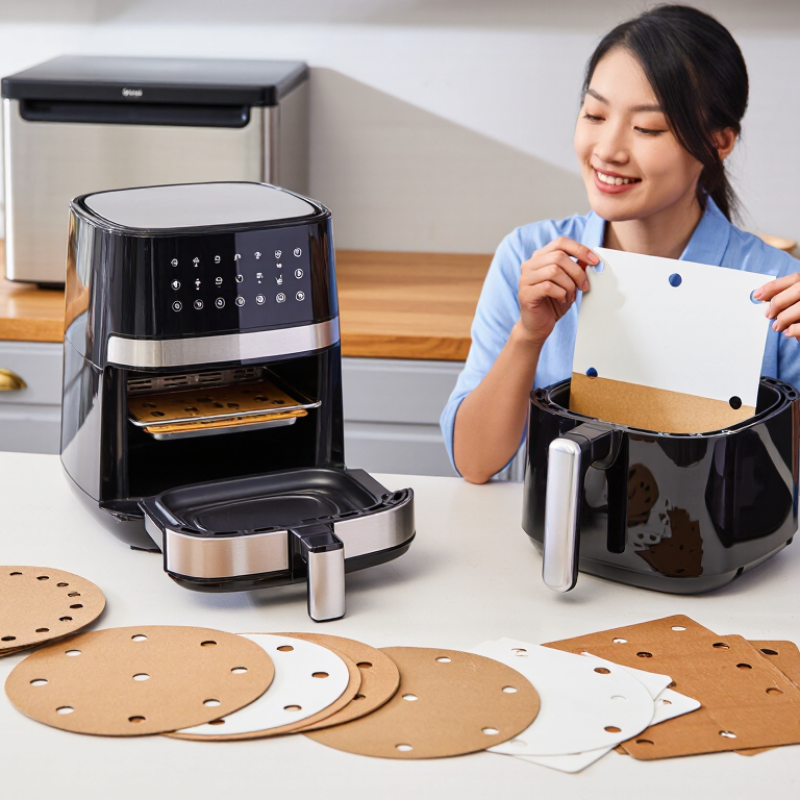
Air fryer paper is a heat-resistant liner placed inside the cooking basket. It helps catch oil, crumbs, and sticky glaze, making cleanup easier. Most liners are made from food-grade parchment and come flat or shaped to fit common basket styles. Some have small holes. Those openings allow hot air to move around the food more freely. Air fryer paper is not the same as wax paper, which is not designed for high cooking temperatures. Check the liner’s stated temperature limit before use.
The air fryer’s fan pushes hot air around food to brown its surface. A solid liner can block some airflow, especially if it covers the basket’s vents. Perforated paper may reduce that problem, though it can still affect browning. The difference is sometimes subtle. A few extra minutes may be needed, but results depend on the food and appliance.
Choose a liner that sits flat without rising above the basket’s sides. Match its shape and size to the cooking area, and trim excess paper if needed. Do not place loose paper in an empty, preheating fryer; the fan may lift it toward the heating element. Add food on top to hold the liner down. Paper is useful for saucy wings or baked snacks, but skipping it can give fries better contact with the basket. It is a small trade-off, and worth noticing.
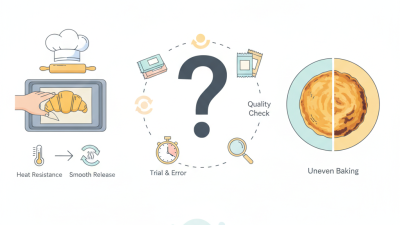
Air-fryer paper comes in several forms, and each changes how food sits in the basket. Perforated parchment lets hot air pass beneath foods such as fries or breaded vegetables. Its small holes can also let crumbs fall through. Unperforated sheets catch more drips, but may slow airflow under delicate items. Pre-cut round sheets are convenient; measure your basket before buying, since an oversized edge can curl toward the heating element. Keep paper weighed down by food. Never preheat with a loose liner.
Some products use unbleached parchment, while others are bleached; check the packaging for food-contact and temperature guidance rather than assuming all sheets perform alike. Reusable silicone liners are another option, though they are not paper. They can be easier to wash, but their solid bases may trap moisture and soften crisp coatings. A little disappointing, perhaps. Grand View Research estimated the global air-fryer market at $1.02 billion in 2023 and forecast 10.9% annual growth from 2024 to 2030. That market data signals wider appliance adoption, not proof that one liner cooks best. In practice, basket shape, airflow, and the food’s moisture matter more than a neat product label.
Choosing air-fryer paper is less about appearance and more about fit, heat tolerance, and airflow. Measure the basket before buying; paper that curls up the sides can block circulation. A close fit matters. Perforations help hot air reach the food and let rendered fat drain, though hole patterns vary. Compare them with the basket’s shape rather than assuming every liner cooks alike.
Check the stated temperature limit and follow both the paper’s directions and the appliance manual. Never place a loose liner in a running fryer or use one during preheating without food holding it down. The fan can lift light paper toward the heating element. That detail is easy to overlook. For greasy foods, sturdier paper may resist tearing when lifted, but thick liners can also affect crisping. Test one piece with a familiar recipe and inspect the underside before changing cooking times.
Nonstick coatings can make cleanup easier, while uncoated paper may suit simpler needs. Look for clear food-contact and heat-use information, not vague claims. I would not assume that “compostable” means suitable for every local collection program; coatings and food residue can change disposal options. A liner is convenient, but it is not essential. If edges brown quickly or fries come out soft, adjust the fit or airflow rather than blaming the paper alone.
| Liner Type | Construction and Airflow | Grease and Moisture Handling | Heat Guidance | Best Suited For | Key Limitations |
|---|---|---|---|---|---|
| Perforated parchment liner | Usually paper treated with a food-contact silicone coating; holes allow more air to pass through the basket. | Helps catch drips while allowing some fat and moisture to drain through the perforations. | Use only within the temperature limit printed on the package. Many parchment products are rated around 425°F (about 220°C), but ratings vary. | Foods that benefit from better airflow, such as fries, vegetables, and breaded items. | Small foods can fall through the holes. The liner must fit the basket and should not cover openings unnecessarily. |
| Solid parchment liner | Coated parchment without perforations; creates a continuous surface beneath the food. | Catches crumbs and grease effectively, but can reduce drainage and airflow underneath food. | Follow the product’s stated maximum temperature; do not assume every parchment liner has the same rating. | Sticky, delicate, or crumbly foods that are difficult to remove from the basket. | May make food less crisp on the underside. Use a basket-sized liner rather than one that blocks airflow around the food. |
| Unbleached parchment liner | Brown-colored parchment, often silicone-coated; available in perforated and solid formats. | Performance depends mainly on its coating, shape, and perforation pattern—not its color. | Check the package for the specific heat rating and intended appliance use. | Users who prefer the appearance of unbleached paper and want either a perforated or solid liner. | “Unbleached” alone does not confirm heat resistance, coating type, or air-fryer suitability. |
| Reusable silicone liner | Flexible, washable silicone with a solid or raised, perforated design; airflow varies by shape. | Non-absorbent and easy to wash; grease can collect in the liner rather than drain away. | Check the manufacturer’s temperature rating and instructions for the specific liner. | Repeated use when a washable alternative is preferred. | Can restrict airflow if it covers too much of the basket; needs cleaning and may not fit every basket shape. |
| Wax paper | Paper coated with wax rather than the heat-resistant coating used on many baking parchments. | Wax coating resists moisture, but this does not make it suitable for air-fryer cooking. | Not recommended for air-fryer use. Wax may melt or smoke when exposed to cooking heat. | Cold food preparation or other uses specifically permitted by its package—not air-frying. | Do not substitute it for parchment paper in an air fryer. |
| Quick safety check: Choose a liner labeled for air-fryer or oven use, confirm its maximum temperature, and match its size to the basket. Never put a lightweight liner in an empty, preheating air fryer: airflow can lift it toward the heating element. Add food on top to hold it in place, and keep paper away from the heating element. | |||||
What Is the Best Air Fryer Paper for 2026?
Safety, Fit, and Compatibility with Air Fryers
The best air fryer paper is heat-rated for your appliance and sized to leave room for airflow. Check both the paper’s temperature limit and your air fryer’s instructions. A liner that fits one model may not suit another. Perforated sheets can help air circulate around food, while solid sheets may catch more grease. Neither works well if it covers the basket’s vents. Keep paper away from the heating element, and never place a lightweight liner inside an empty, running fryer. It can lift and scorch. Small detail, big difference.
Fit matters, too. A round liner can bunch in a square basket, and tall edges may fold over food or block airflow. Choose a shape that sits flat without climbing the sides. The food should weigh it down before cooking begins. If a sheet shifts, tears, or darkens at the edges, stop and check the fit and temperature guidance. Compatibility can be annoyingly specific; I would not assume a liner is safe just because it looks sturdy.
Tips: Measure the basket base before buying. Check the appliance manual and liner packaging. Leave vents clear, and skip paper during preheating unless the manufacturer explicitly allows it. A quick fit check is worth the extra minute.
Air fryer paper should be food-grade, rated for the cooking temperature, and sized so it does not block airflow. The chart shows USDA safe minimum internal temperatures for common foods; use a food thermometer, since paper choice does not determine whether food is safely cooked.
What Is the Best Air Fryer Paper for 2026?
How to Choose the Best Air Fryer Paper for Your Needs
The best air fryer paper is the kind that fits your basket and cooking habits. Measure the flat base before buying; a liner that bunches up can block airflow or touch the heating element. Perforated paper allows more air to move around food, while solid sheets can catch more drips. Neither works perfectly for every meal.
Check that the paper is made for air fryer use and follow its stated heat limit. A liner should sit beneath food, not inside an empty, preheating basket. Light paper can lift toward the element. That matters. Add food before heating, and make sure the pieces hold the sheet down without covering every opening. For crisp fries, skipping the liner may work better.
Think about cleanup, too. For saucy vegetables or sticky marinades, a properly sized liner can save scrubbing. For small batches, a large sheet may waste space and paper. I’d avoid assuming that “unbleached” or “compostable” automatically means better performance; labels and disposal options vary. I still find sizing a little fiddly. Try one sheet with a familiar recipe, then check browning and airflow before stocking up.