Best Wrapping Paper For Food Options in 2026?
When it comes to food presentation, choosing the right Wrapping Paper For Food is essential. In 2026, the market offers diverse options that cater to various culinary needs. From eco-friendly materials to vibrant designs, the choices are endless. High-quality wraps not only enhance the aesthetic appeal but also ensure food safety.
Understanding the properties of different wrapping papers is crucial. Some options provide excellent insulation, while others focus on sustainable sourcing. The dilemma lies in balancing functionality with appearance. Many consumers are still unaware of the health implications related to certain materials. Brands are responding with more transparency about their products. Shoppers should consider their priorities carefully.
As preferences shift towards health-conscious choices, the need for reliable Wrapping Paper For Food increases. Not every option available is created equal. Researching brands and reading reviews can help ensure the chosen wrapping not only looks good but also performs well. By staying informed, we can make better choices for our food and the environment.
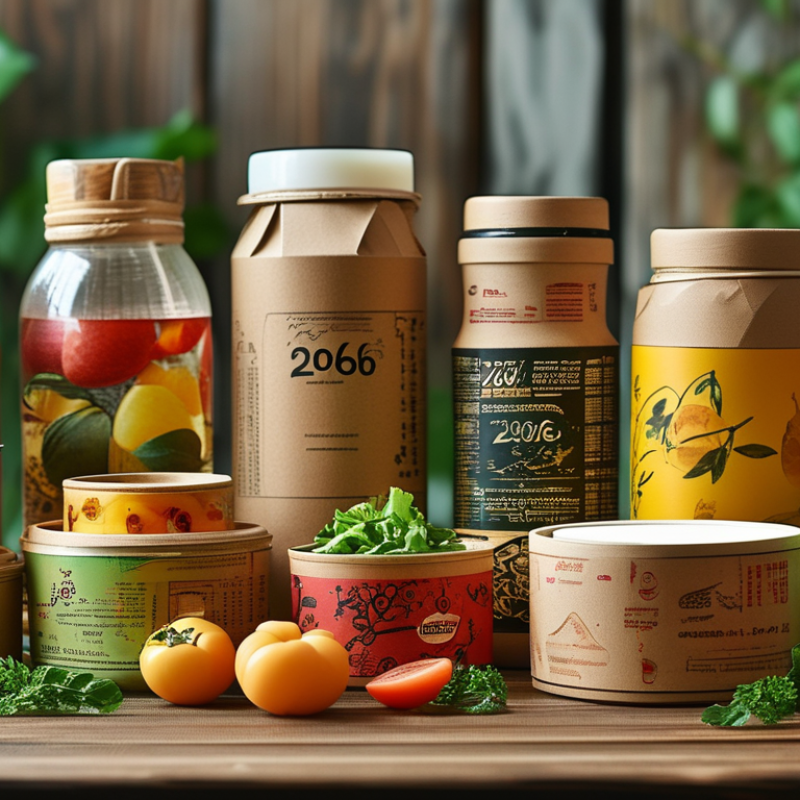
Best Materials for Food Wrapping Paper in 2026
When selecting the best materials for food wrapping paper in 2026, sustainability is a key factor. Eco-friendly options are gaining popularity. Biodegradable paper and plant-based materials are ideal for wrapping food items. They reduce environmental impact. These materials keep food fresh without harming the planet.
Tips: Always check for certifications. Look for papers that are uncoated and free from harmful chemicals. Compostable wrapping is an excellent choice for leftovers. This option supports both food safety and eco-conscious practices.
Choosing the right thickness is important. Thinner materials can easily tear. However, thicker papers may retain freshness better. Understand the balance between durability and functionality. Experiment with different types to find the right fit. This could improve the quality of your food storage.
Eco-Friendly Options for Sustainable Food Wrapping
In 2026, eco-friendly food wrapping is more important than ever. Traditional plastic wrap harms our planet. More consumers seek sustainable alternatives. Options like beeswax wraps and plant-based films gain popularity. These wraps keep food fresh without polluting the environment.
Many use recycled paper or cardboard for wrapping food. These materials are biodegradable and often compostable. They reduce waste and are safe for food contact. However, they sometimes lack waterproof options. This can be an issue for liquid items. Consumers must balance sustainability with functionality.
The market is evolving. Biodegradable options may still be pricey. Many people hesitate to switch to these products. Education is key. Understanding the benefits will help consumers make informed decisions. Sustainable choices can create a healthier planet.
Innovative Features to Look for in Food Wrapping Paper
When choosing food wrapping paper, innovative features can significantly enhance freshness and safety. Biodegradable options are gaining popularity, reducing environmental impact. Many consumers appreciate materials that decompose naturally, proving useful for sustainable practices.
Another key aspect is moisture control. Papers that prevent moisture buildup can keep food fresher longer. Look for features like breathability, which can help maintain the right balance. This is important for items that may spoil quickly, such as fruits and sandwiches.
Additionally, safety is paramount. Some papers are coated to resist grease and prevent contamination. This is crucial for food handling at picnics or outdoor events. An ideal product should be easy to use, yet durable enough to prevent tears. However, not all papers are created equal, and finding the right balance might take some trial and error.
Best Wrapping Paper For Food Options in 2026? - Innovative Features to Look for in Food Wrapping Paper
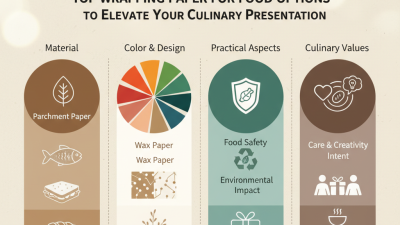
| Type of Wrapping Paper |
Material |
Biodegradable |
Microwave Safe |
Innovative Features |
| Parchment Paper |
Plant-based |
Yes |
Yes |
Non-stick surface |
| Recyclable Paper |
Recycled fibers |
Yes |
No |
Customizable prints |
| Compostable Film |
Bio-based plastic |
Yes |
Yes |
Transparent for visibility |
| Wax Paper |
Natural wax |
Yes |
Limited |
Oven-safe options |
| Aluminum Foil |
Aluminum |
No |
Yes |
Heat retention |
Comparative Analysis of Cost-Effective Food Wrapping Solutions
When considering food wrapping options, cost-effectiveness is crucial for both consumers and businesses. Many types of wrapping materials exist, each with unique benefits. Biodegradable wraps are increasingly popular, offering an eco-friendly choice. Many consumers look for options that minimize environmental impact while still being wallet-friendly.
Some conventional plastics might seem cheaper initially. However, their long-term effects on waste management raise concerns. It's essential to weigh the immediate cost against potential future costs. Innovative materials, like plant-based films, offer a solution. They provide adequate protection without harming our planet. Yet, they can come with a slightly higher price tag.
Not all solutions are perfect. Some alternatives may not perform well in all conditions. For instance, certain wraps may not withstand high heat. This limitation restricts their use in various food storage scenarios. Consumers must evaluate their specific needs and choose wisely. In the end, the best choice balances cost, functionality, and sustainability.
Best Wrapping Paper For Food Options in 2026
Trends in Food Presentation: Aesthetic Considerations for Wrapping Paper
As we move towards 2026, food presentation plays a crucial role in enhancing our dining experiences. Aesthetic considerations are essential when selecting wrapping paper for food. Color, texture, and design can significantly impact the overall appeal of a dish. It’s important to choose materials that not only look good but also ensure food safety.
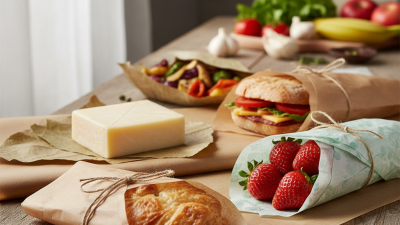
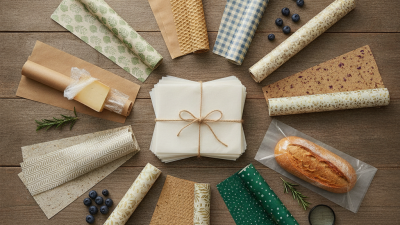
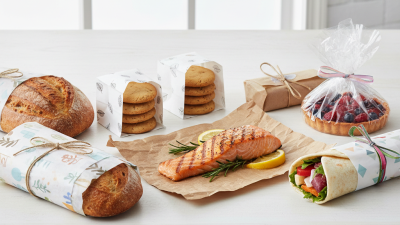
When selecting wrapping paper, consider the occasion. Natural fibers, such as kraft paper, are popular for rustic themes. Bright, colorful wraps often suit festive gatherings. However, not all papers are equal. Some might bleed colors or release substances when in contact with food. Always check for food-safe labels to ensure quality.
Tips for selecting wrapping paper:
- Look for eco-friendly options to reduce waste.
- Consider finishes that enhance visual appeal, like metallic or matte.
- Don't forget the size of your wraps; they should accommodate your dishes without compromising presentation.
It’s also beneficial to experiment with combinations. Paper can be layered or tied with twine for added texture. While trends may shift, the goal remains: create an inviting presentation that respects the food being served. Reflecting on these choices ensures that we balance beauty with functionality in our food wrapping selections.



 Jimmy
Jimmy Eric
Eric