Butter Paper For Pastry is a simple kitchen material with an important job: helping pastry move cleanly from preparation to baking. It can line a tray, separate delicate dough layers, or wrap chilled pastry between rolling sessions. The right sheet keeps sticky dough from clinging to the bench. It also makes cleanup quicker. A small detail, but a useful one.
The term can mean different products in different markets. Some sheets are greaseproof paper; others are baking parchment with a heat-resistant coating. They are not always interchangeable. Check the product label before placing paper in an oven, and follow its stated temperature limit. For example, a sheet used to wrap butter-rich dough may not be suitable for direct oven heat. Fit the paper flat against the tray, without loose corners near heating elements. There is no magic trick here.
A pastry professional’s verified name and quotation were not included with the supplied material, so assigning a quote to a named expert would risk misleading readers. This guide instead focuses on practical, checkable uses and limitations. That distinction matters. Butter paper can reduce sticking, but it does not replace proper chilling, careful handling, or a well-prepared baking surface. A little flour may still be needed when rolling. And paper can wrinkle. Knowing what it can—and cannot—do helps bakers choose the right sheet for each task.
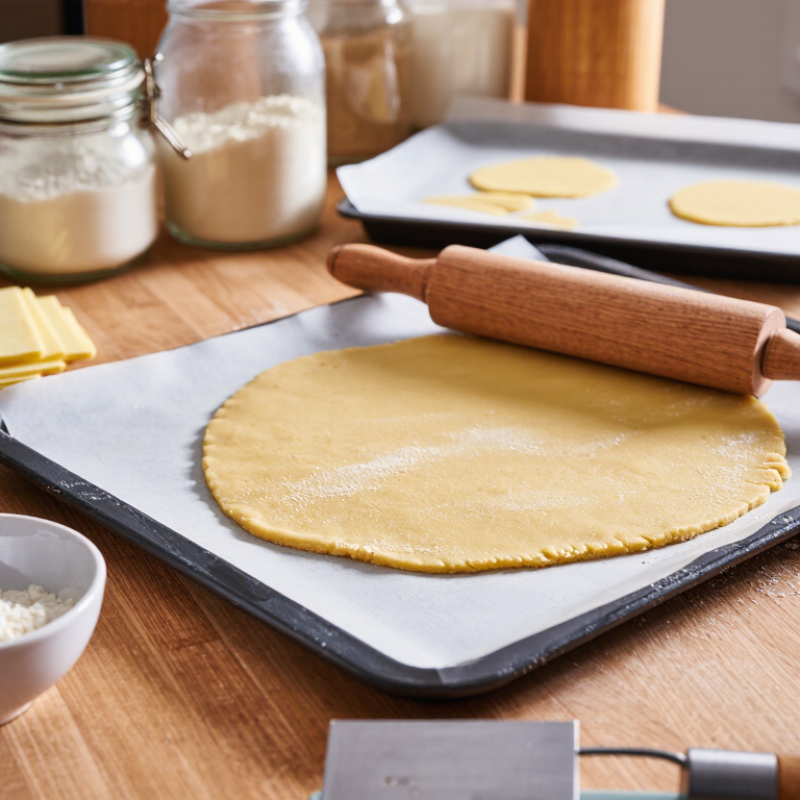
In pastry preparation, “butter paper” usually means a grease-resistant sheet placed between dough and a work surface, or inside a baking pan. The name is a little confusing. It does not always mean paper coated with butter, and the term can vary by region. A baker may use it to keep sticky pastry from clinging to a counter or to separate layers of chilled dough. It can also catch small crumbs and make cleanup easier.
For baking, check the paper’s packaging before putting it in the oven. Some greaseproof papers are not designed for high heat, while baking parchment is generally made for oven use within its stated temperature limit. A sheet should lie flat in a tart tin, with no loose corners near a heating element. When rolling pastry, a lightly dusted sheet can reduce sticking, though too much flour may leave dry patches. I still find the terminology imperfect; asking whether a paper is oven-safe is more useful than relying on its name. For delicate shortcrust, the right paper can help lift the dough without tearing its edge.
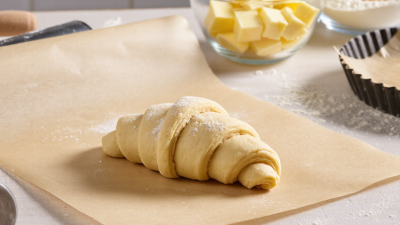
Butter paper is a confusing name. In some kitchens, it means greaseproof paper; elsewhere, it describes baking parchment. The coating matters more than the name. Parchment is usually treated with silicone, which helps pastry release and tolerates oven heat within the temperature limit printed on its packaging. Greaseproof paper resists oil but may lack that heat resistance. Check the label. Do not assume every sheet called “butter paper” belongs in an oven.
Waxed paper has a different job. Its wax coating helps keep food from sticking during cold preparation, such as separating pastry discs or wrapping dough for chilling. In a hot oven, the wax can melt, smoke, or transfer to food. Parchment is the safer choice for lining a tray of croissants; waxed paper is useful beneath rolled dough on a cool counter. A small naming inconsistency can cause a very messy tray.
For reliable selection, check the material and intended use rather than relying on informal labels. The U.S. FDA’s 21 CFR 176.170 addresses paper components intended for contact with aqueous and fatty foods; it does not mean every paper sheet is oven-safe. TAPPI T 410, an industry method for measuring paper basis weight, also shows why paper descriptions can include technical specifications beyond everyday names. Still, basis weight alone does not establish heat resistance. For pastry, use paper explicitly labeled for baking, and follow its stated temperature limit.
Butter paper helps keep pastries clean and easier to handle during storage. Its smooth surface separates buttery layers from fingers, shelves, and other foods. For croissants, hand pies, or slices of puff pastry, wrap each piece loosely so the paper does not crush its shape. A small fold at the ends can hold the wrap in place without tape touching the pastry.
Let warm pastries cool before wrapping them. Trapped steam can create condensation, making crisp edges soft. Paper is not magic. It can absorb some surface grease, but it does not form an airtight seal, so pastries may still dry out or pick up nearby odors. For short-term storage, place wrapped pastries in a clean container with the lid slightly secure. Keep pastries with cream or custard fillings refrigerated in a suitable covered container; paper alone is not enough protection. Crisp pastries may lose their texture in the refrigerator, which is an annoying trade-off. If the paper feels damp or greasy after a few hours, replace it and check the pastry’s condition. Butter paper also varies by type, so do not assume it is safe for oven use unless its packaging says so.
Butter paper is most useful when pastry dough needs gentle handling. Place chilled shortcrust between two sheets, then roll from the center outward. The paper limits sticking without adding much flour, which can make a tender dough tough. For sticky dough, use it as a clean transfer sling from counter to tart tin. It also helps separate pastry discs before chilling. A little awkwardness remains: paper can wrinkle beneath soft dough, so smooth it before rolling.
For puff pastry and other laminated doughs, parchment helps move delicate sheets without stretching their layers. Line a baking tray to reduce sticking and make cleanup easier, but keep paper away from direct flame and follow its stated heat limit. Waxed paper is not a substitute in the oven. The FDA’s food-contact regulation, 21 CFR §176.170, sets out eight conditions of use, A through H, for paper and paperboard used with food; that scope is a reminder that suitability depends on heat and food contact, not appearance alone. I still check the package. For raw dough, avoid tasting scraps: the USDA warns that uncooked flour can carry harmful germs. Use paper to shape and transfer pastry, then bake it fully.
Butter paper is often used to wrap pastry, separate stacked dough sheets, or keep a work surface cleaner while rolling. It can help prevent sticking during preparation. But the name is confusing. “Butter paper” may describe grease-resistant paper, waxed paper, or another coated sheet, and these materials do not all behave alike in an oven.
That difference matters. Waxed paper can soften or melt when heated, while some greaseproof papers are not designed for baking temperatures. They may darken, smoke, or become brittle near a hot oven element. Not ideal. Parchment paper made for baking is usually treated to resist heat, but it still has a temperature limit printed on its packaging. Check that limit before use, and keep paper away from exposed heating elements. If the package gives no oven guidance, do not assume the sheet is safe because it feels thick or resists butter. I might be tempted to trust a familiar-looking paper, but appearance is a poor test. For pastry that needs a lined tray, choose clearly labeled oven-safe parchment instead.