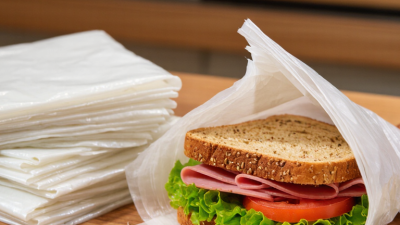
Choosing Wrapping Paper For Food in 2026 means balancing food protection, safe contact, and practical disposal. A crisp sandwich needs different wrapping from a buttery pastry or a warm, moist takeaway meal. The right paper should suit the food’s temperature, moisture, and fat content. Looks matter, too. But they are not enough.
The scale of food loss makes careful packaging decisions relevant. The Food and Agriculture Organization’s 2023 report estimates that 13.2% of food was lost after harvest and before retail between 2016 and 2022. UNEP’s Food Waste Index Report 2024 estimates that 1.05 billion tonnes of food were wasted in 2022 across households, food service, and retail. These figures do not prove that paper wrapping alone prevents waste. They do show why keeping food protected during handling and storage deserves attention.
In this guide, we’ll compare grease-resistant, moisture-resistant, and uncoated papers, then consider how each performs in everyday use. Check that a product is intended for direct food contact, and look for clear information about coatings and disposal claims. A paper described as recyclable or compostable may depend on its construction and the facilities available locally. Small print matters. So does the actual food. Still, no single wrapper fits every meal, and packaging claims can be easy to misread. That deserves a closer look.
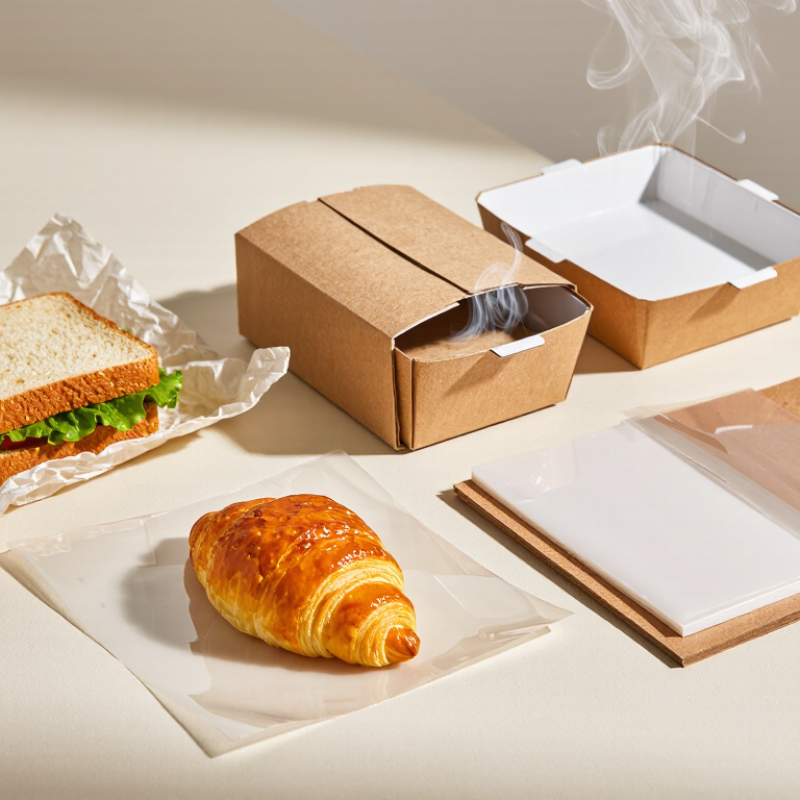
Food-contact safety starts with the intended use, not the paper’s appearance. A clean white sheet is not proof of suitability. Check that the supplier identifies the material for direct food contact and specifies limits for temperature, contact time, and food type. A wrapper used for a warm, oily pastry may behave differently from one used for a cool, dry sandwich. Moisture and grease can affect how substances transfer from paper, coatings, or printing inks. Looks simple. It isn’t.
Ask for current compliance documentation and, where relevant, migration-test results for the exact paper construction. The finished wrapper matters: printing, adhesives, and coatings can change its performance. Confirm that testing reflects realistic conditions, including hot filling or prolonged contact, rather than relying on a general statement about “food-grade” paper. Requirements vary by market, so verify the rules that apply where the food will be sold.
Keep the record. In routine packing checks, note the paper lot and inspect for odor, ink smearing, or unexpected grease breakthrough. Those checks do not replace laboratory testing, and a paper can pass one use but fail another. I would not assume that recycled content alone makes a wrapper unsafe—or suitable; ask how its food-contact safety is established.

How to Choose Wrapping Paper for Food in 2026?
Types of Food Wrapping Paper and Their Properties
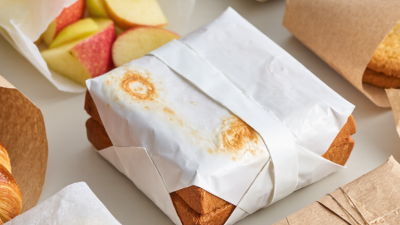
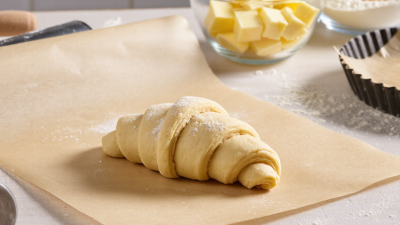
Food paper is not one-size-fits-all. Uncoated kraft paper suits dry bread and pastries, but oil can seep through it. Grease-resistant paper handles burgers and buttery rolls better. Waxed paper resists moisture, yet it is not designed for oven use. Parchment, usually coated with silicone, tolerates baking heat; check the product’s temperature limit. Foil-lined paper blocks light and moisture, but its layered construction can complicate recycling. For any type, confirm that it is made for direct food contact and matches the food’s moisture, fat, and temperature.
Material choice affects disposal, too. The U.S. Environmental Protection Agency’s 2018 Advancing Sustainable Materials Management report recorded an 80.9% recycling rate for paper and paperboard packaging and containers. That figure describes the category overall, not every food wrapper. Grease, food residue, coatings, and mixed layers can change whether a wrapper is accepted locally. Details matter.
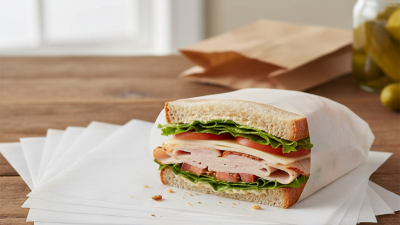
Tips: Wrap a warm, greasy sandwich in grease-resistant paper, then check for leaks after a few minutes. For baking, use parchment within its stated heat limit. One small test helps. Perfect choices are rare; real food is messier than a product sample.
Choose paper by the food’s wettest ingredient, not just its outer appearance. A dry cookie may sit comfortably in uncoated food-grade paper. A butter-rich pastry needs grease-resistant paper to prevent translucent spots and oily fingers. But “grease-resistant” does not mean waterproof. That distinction is easy to miss. For juicy fruit or sauced fillings, use paper with a suitable moisture barrier, and check that it is intended for direct food contact. Keep printed surfaces away from food unless their food-contact suitability is confirmed.
Temperature changes the choice. Hot sandwiches release steam, which can soften paper and turn crisp crusts soggy. A loose fold or small vent can help, though it may let warmth escape. For chilled foods, consider condensation: a barrier layer may protect the wrap, but trapped moisture can still affect texture. Frozen items need packaging rated for low temperatures and repeated handling. Check the supplier’s stated temperature range rather than guessing from appearance. A tidy wrap is not proof of a good match. Test it with the actual food, portion size, and holding time; even a paper that works for a dry bun may fail around a warm, juicy filling.
Match the paper to the food’s moisture, grease, and serving or cooking temperature.
Ratings are a qualitative material-fit guide, not standardized test results: 1 means low suitability and 5 means high suitability. Waxed paper is not for oven use; check the product label for parchment’s maximum temperature. Coatings and performance vary by product.
Key Factors for Comparing Coatings, Strength, and Sustainability
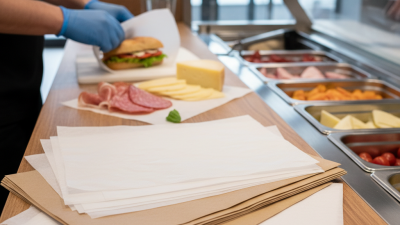
Start with the food, not the paper’s appearance. A warm pastry needs grease resistance; a chilled, damp sandwich needs a barrier that will not soften quickly. Ask suppliers for food-contact documentation and test sheets showing grease resistance, wet strength, and performance at serving temperature. Feel the difference. A sheet that tears when folded around a corner may fail during busy service, even if its coating looks impressive.
Coatings create trade-offs. A heavier barrier can limit oil transfer, but may complicate recycling where facilities cannot process coated paper. The U.S. EPA’s 2018 Advancing Sustainable Materials Management report recorded a 68.2% recycling rate for paper and paperboard in the United States. That figure covers many paper products, not food wraps specifically, so it should not be read as a recycling guarantee for a coated sheet. Check local collection guidance and ask whether the complete, used wrap is accepted.
Compare papers under realistic conditions: wrap a warm, oily item, hold it for several minutes, then check for leaks, soggy folds, and handling strength. Request coating composition and fiber-source details, plus evidence supporting any compostability or recyclability claim. I would not choose on coating weight alone; testing varies, and a neat lab result may not match a crowded counter. Sometimes less is enough. A lighter barrier may work for dry foods, while wet or greasy foods need stronger protection.
A food-contact label is a starting point, not a complete answer. Check that the wrapping paper is intended for the food you plan to wrap. Oil, moisture, and heat can affect what is suitable. Look for clear directions and temperature limits. A neat label can still leave questions.
Read certification marks carefully, and check what they cover. A mark may refer to a facility, a material, or a testing program—not every use. Search the certifier’s public directory or documentation, then compare the product name and material details. No traceable record? Pause. Treat broad claims such as “natural” as claims, not proof of food-contact safety.
At home, keep the paper clean and dry before use. Follow the package directions; don’t assume paper suitable for room-temperature food can go in an oven or microwave. Keep printed or coated surfaces away from food unless the instructions permit direct contact. Wrap cooled leftovers, mark the date, and refrigerate them promptly. If the label is missing, choose a food-safe container instead.