Top 10 Wrapping Paper for Food Packaging Solutions?
When it comes to food packaging, the choice of materials is crucial. Wrapping paper for food is often overlooked, yet it plays a vital role in maintaining freshness and safety. Selecting the right type of wrapping paper can impact both presentation and flavor preservation.
Some entrepreneurs may underestimate its significance. Quality wrapping paper protects food from odors and moisture. This can prevent spoilage and enhance the dining experience. There are various options available, each with unique features and benefits. For instance, some papers are biodegradable, appealing to eco-conscious consumers.
While many products claim to be the best, understanding your specific needs is essential. Not all wrapping papers have the same reliability. Potential issues include tearing and lack of insulation. Dedicated research can lead you to the best solutions for food packaging. It's worth considering the experiences of fellow businesses and their packaging choices.
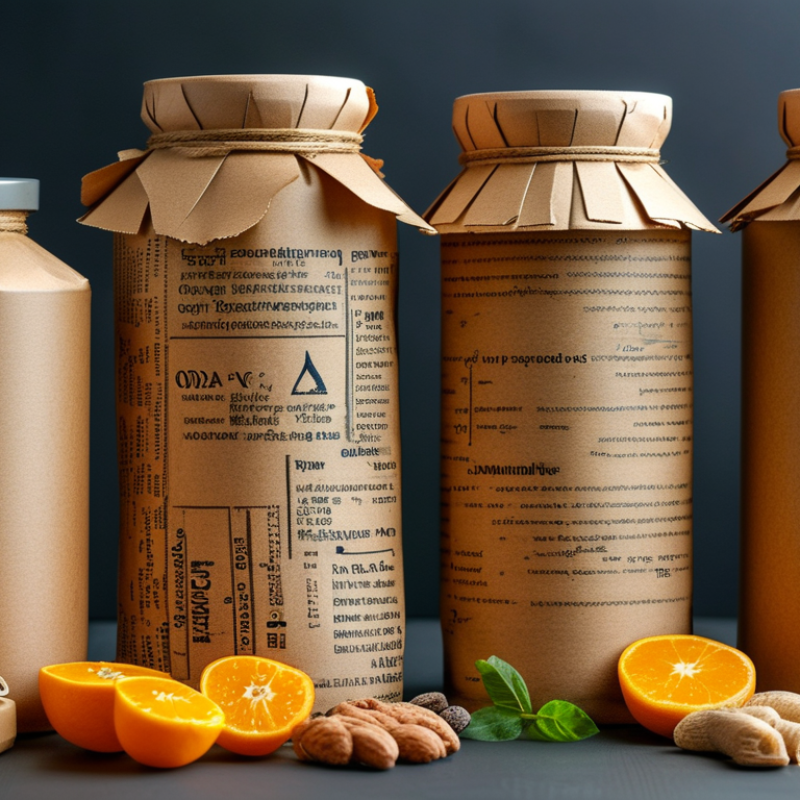
Types of Wrapping Paper Suitable for Food Packaging
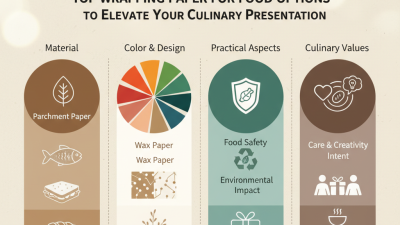
When it comes to food packaging, choosing the right wrapping paper is essential. Various types of wrapping paper serve different needs. For instance, greaseproof paper is ideal for items like pastries and donuts. This material prevents oil from seeping through, keeping the product fresh. Similarly, wax paper provides a moisture barrier, making it suitable for sandwiches and cheese.
Additionally, there’s parchment paper. It withstands high temperatures and is great for baking. This versatile option can also be used for food storage and packing. Craft paper, with its robust nature, is often used for wrapping heavier items. It is eco-friendly and can be recycled after use, aligning with sustainable practices.
Though many options exist, not all are perfect. Some paper types may not be compostable, raising environmental concerns. It's vital to consider the source of materials and their impact on the ecosystem. Many consumers appreciate transparency but may struggle to assess the sustainability of various options. Always check certifications when possible for reliable information.
Key Features to Consider in Food Packaging Wrapping Paper
When selecting wrapping paper for food packaging, several key features should be kept in mind. First, consider the material type. Food-safe paper must be free from harmful chemicals. Look for options that are biodegradable or recyclable. This supports sustainability while ensuring safety. Using eco-friendly materials reflects a commitment to the environment.
Next, pay attention to the paper's barrier properties. It should protect food from moisture and grease. This is especially crucial for items like baked goods or oily dishes. A strong barrier maintains freshness and flavor. Transparency can also matter. Sometimes, customers want to see the product without unwrapping it. Customizing your packaging can enhance the appeal while ensuring protection.
Design choices can’t be overlooked. Eye-catching patterns attract attention. However, your choice should not compromise functionality. Focus on balance. Test different options to see what resonates best. Remember, aesthetics should never overshadow practicality. It's a fine line, and exploring it brings you closer to optimal packaging solutions.
Sustainable Options for Eco-Friendly Food Packaging Solutions
Sustainable wrapping paper is crucial for eco-friendly food packaging. The global market for sustainable packaging is projected to reach $500 billion by 2027, according to recent industry reports. This growth underscores the increasing demand for environmentally conscious materials. Consumers favor brands that embrace sustainability, influencing purchasing decisions.
Various sustainable options exist. Biodegradable paper and plant-based wraps are popular choices. These materials break down more easily than traditional plastics, reducing landfill waste. Reports indicate that using biodegradable materials can lower carbon footprints by up to 80%. Despite the advantages, sourcing these materials can be challenging. Availability and cost remain significant barriers for many food packaging companies.
In the quest for sustainable options, not all solutions are perfect. Some biodegradable papers may not perform well in all conditions, especially during long transport times. Education and awareness are vital. Many businesses still lack understanding about eco-friendly options. This can hinder their transition to sustainable practices. Ensuring quality while promoting sustainability is essential for both manufacturers and consumers.
Comparative Analysis of Popular Food Wrapping Paper Brands
When selecting food wrapping paper, various brands offer distinctive features. Many emphasize safety, eco-friendliness, or moisture resistance. Choosing the right option can impact food quality and presentation. Research shows that materials such as parchment and wax paper can preserve freshness and taste. However, sustainability is often overlooked. Ensuring eco-friendly options can enhance a brand's responsibility.
Consider the weight and thickness of the paper. Thicker materials generally provide better durability. However, lighter options can be more flexible. The right choice depends on the type of food. For instance, oily foods might require different properties compared to dry ones. It’s crucial to match the wrapping material with food characteristics.
Tips: Always test different wrapping options. Not every material performs well in all conditions. Keep an eye on how each paper interacts with various foods. Also, evaluate any effects on taste or texture. It’s important to note that sometimes, what seems like a cost-saving option may not maintain quality. Reflect on past experiences to improve your choices.
Top 10 Food Wrapping Paper Solutions - Comparative Analysis
Innovative Uses of Wrapping Paper in Food Presentation
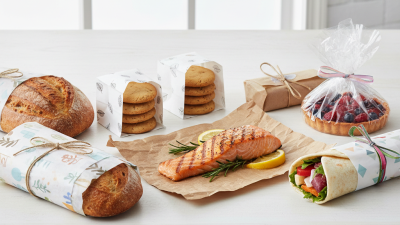
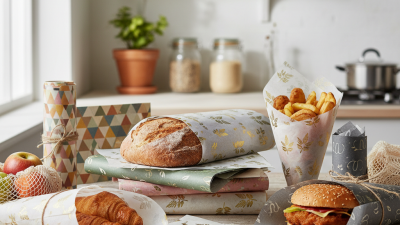
Wrapping paper offers a unique and innovative way to enhance food presentation. Utilizing colorful, textured papers can transform a simple dish into a visual feast. For instance, a layer of vibrant wrapping paper can add an appealing touch to cupcakes or pastries. The right choice of color and pattern can elevate the mood of any gathering.
Using wrapping paper creatively can also solve practical challenges. For instance, wrapping sandwiches or cheese can keep them fresh and visually stimulating. When featuring fresh produce at a market, eco-friendly wrapping paper can enhance the organic feel of your display. This gives potential buyers a glimpse of your attention to detail and care for presentation.
However, it’s essential to consider material safety. Not all wrapping papers are food-safe. Choosing the right paper requires understanding its composition and potential hazards. Not every design will communicate the intended message; some may even clash with the food itself. Careful selection and innovative thinking are crucial in achieving the desired aesthetic while maintaining food safety.




 Jimmy
Jimmy Eric
Eric