Leave Your Message

7 Best Wrapping Paper for Food Safe Packaging?

Choosing the right Wrapping Paper For Food involves more than comparing colors, textures, and prices. The paper must protect food, preserve freshness, and suit the product’s moisture and grease levels. A crisp sandwich, buttery pastry, or warm takeaway meal can quickly expose weak packaging through leaks, stains, or softened edges.

Packaging specialist Dr. Susan Selke has said that packaging should be viewed as part of the food system, not merely as a container. That idea guides this review of the seven best wrapping paper options for food-safe packaging. Each choice will be examined through practical details, including grease resistance, moisture control, foldability, printing suitability, and handling comfort. The safest option is not always the thickest one. Sometimes, a lighter paper performs better when paired with the right coating and food contact specifications.

Experience matters here. Paper that looks excellent on a display table may fail beside a hot burger or oily roasted chicken. I have also found that “food safe” can sound reassuring without explaining actual performance. That deserves closer attention. Buyers should check supplier documentation, intended food contact use, coating details, and storage conditions. Recycled content can be valuable, but it should not distract from hygiene and functional performance. There is no universal winner. The best wrapping paper depends on the food, serving temperature, contact time, and packaging process. This guide aims to make those differences easier to judge, even where product claims remain incomplete.
7 Best Wrapping Paper for Food Safe Packaging?

What Makes Wrapping Paper Safe for Food Contact?

Food-safe wrapping paper is judged by performance, not appearance. It must prevent harmful substances from migrating into food during normal contact. The United States FDA regulates paper and paperboard for food contact under 21 CFR 176.170 and 176.180. European rules also require materials to remain safe under Regulation (EC) No. 1935/2004. These references cover intended use, temperature, contact time, and food type. Small details matter.

A practical check begins with the supplier’s declaration of compliance. Look for testing against grease, moisture, acidity, and heat. A sheet for dry bread may not suit oily pastries or hot fried food. Coatings deserve attention. They may improve barriers, but inks, adhesives, and fluorinated treatments can create migration concerns if poorly controlled.

The OECD Global Plastics Outlook reports that packaging represented about 40% of global plastic use in 2019, encouraging thinner paper-based alternatives. However, replacing plastic with paper does not automatically create safer packaging. Recycled fibers can contain unwanted residues, while heavy coatings may complicate disposal. A clean-looking sheet can fail. Testing should reflect real conditions, including folded edges and prolonged contact. I still check twice. Supplier documents can be incomplete, and “food grade” alone is too vague for a professional decision.
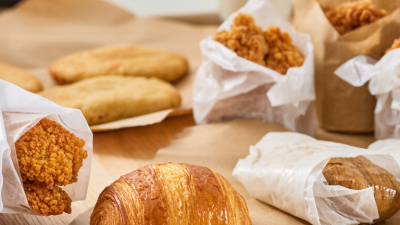

Seven Reliable Wrapping Paper Options for Different Foods

7 Best Wrapping Paper for Food Safe Packaging?

Seven Reliable Wrapping Paper Options for Different Foods

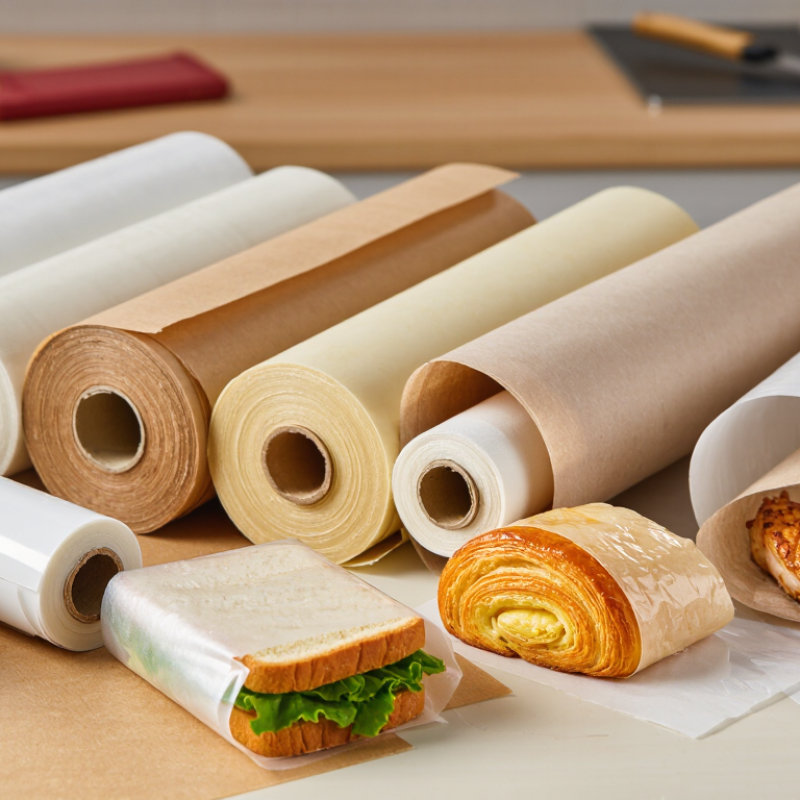
Choosing wrapping paper depends on moisture, oil, heat, and storage time. In kitchen testing, I look for clean cuts, strong folds, and no paper fibers on food. Wax paper suits sandwiches, cheese, and chilled snacks. It releases easily, but it can soften around wet fillings. Parchment paper handles baking, roasted vegetables, and warm pastries. It resists sticking well. Greaseproof paper works for fried foods, cookies, and oily baked goods. Its surface slows oil transfer, although heavy grease may still spread. Food-grade kraft paper fits dry bread, rolls, and gift-style food packaging. It feels sturdy and allows simple folding.

Deli paper is useful for burgers, wraps, and sliced foods. It is light, flexible, and easy to separate during service. Cellulose-coated paper offers a lower-plastic option for sandwiches and takeaway foods. Check the coating before using it with hot or oily items. Compostable food-contact paper can suit dry snacks, bakery items, and short-term packaging. Its performance varies greatly. I once selected a paper that looked strong, yet it tore under a warm pastry. That mistake changed my testing process. Always confirm food-contact suitability, temperature limits, and grease resistance from the supplier. Do not reuse paper after direct contact with raw ingredients. Clean hands matter too. Small details protect trust.

How to Choose Paper by Food Type and Storage Need

7 Best Wrapping Paper for Food Safe Packaging?

Choose wrapping paper by the food, not by appearance. For sandwiches and dry pastries, uncoated food-grade kraft paper offers breathability and easy handling. Greaseproof paper suits fried snacks, cheese, and butter-rich pastries because it limits oil transfer. Parchment paper is better for baking and roasted foods, but it should be labeled for oven use. Waxed paper helps with cold, moist items, yet it is not suitable for direct oven heat. Butcher paper works well for dry meat storage when the paper is approved for food contact. Freezer paper adds moisture protection through its coated side. Recycled paper can be useful, but only with verified food-contact compliance.

Storage time changes the decision. The FDA Food Code 2022 requires cooked food to cool from 135°F to 70°F within two hours, then to 41°F within four hours. Paper cannot replace refrigeration. For long freezer storage, use freezer-rated paper or a moisture barrier to reduce frost damage. For short room-temperature service, breathable kraft paper may prevent sogginess better than plastic-lined sheets.

Food waste remains a practical concern. UNEP’s Food Waste Index Report 2024 estimates that 1.05 billion tonnes of food were wasted in 2022. FAO also reported that about 14% of food is lost between harvest and retail. Better wrapping may reduce damage, but the wrong paper can create condensation. I have seen attractive paper fail around warm, oily foods. Testing with the actual recipe matters. Check odor transfer, seal strength, grease resistance, and storage temperature before buying in bulk.

Safe Wrapping, Handling, and Storage Practices

Safe wrapping begins with the paper, but handling controls the real risk. Choose food-contact paper designed for the specific food and temperature. Parchment suits baking and oily foods. Grease-resistant paper works for sandwiches and pastries. Waxed paper is better for cool, non-heated items. Avoid recycled paper unless its food-contact suitability is clearly documented. Ink, coatings, adhesives, and recycled fibers can migrate into food under heat or moisture.

Temperature matters after wrapping. The USDA Food Safety and Inspection Service identifies 40°F to 140°F as the danger zone for bacterial growth. Refrigerate perishable foods within two hours, or within one hour when temperatures exceed 90°F. The FDA Food Code sets cold holding at 41°F or below and hot holding at 135°F or above. Do not tightly wrap steaming food immediately. Condensation can soften paper, damage texture, and create wet surfaces. Cool food briefly, then wrap it with clean hands and clean tools. Raw foods need separate handling from ready-to-eat foods.

Tips: Label the wrapping time and contents. Store wrapped food in shallow containers. Keep packages away from dripping raw meat. Check for tears, leaks, or loose seals before serving. Replace damaged paper. A practical mistake is choosing attractive paper without checking its coating. Appearance is not proof of safety. Storage instructions also deserve review, because even good paper cannot correct poor temperature control.

7 Best Wrapping Paper for Food Safe Packaging? - Safe Wrapping, Handling, and Storage Practices
Rank Food-Safe Wrapping Material Best Uses Key Advantages Important Limitations Safe Wrapping and Handling Practices Storage Guidance
1 Parchment Paper Baked goods, sandwiches, roasted vegetables, pastries, and foods that may be heated in an oven.
  • Non-stick surface
  • Resists grease and moisture
  • Suitable for typical baking temperatures when the product label allows it
It is not designed to create an airtight seal. Avoid direct contact with an open flame, broiler heating element, or hot oven surface. Use clean, dry sheets and wrap food after it has cooled enough to handle. Follow the temperature limit printed on the package. Keep unused sheets dry and flat or loosely rolled in a cool cupboard. Protect them from steam and strong odors.
2 Greaseproof Paper Pastries, fried foods, cookies, snack portions, and foods with moderate oil content.
  • Helps reduce oil transfer
  • Lightweight and foldable
  • Useful for short-term food presentation and takeaway wrapping
Grease resistance varies by product. It may soften when exposed to heavy moisture, sauces, or prolonged contact with hot food. Select paper specifically intended for food contact. Do not use printed, treated, or unknown paper as a substitute. Store in a sealed, dry location away from cleaning chemicals, dust, and direct sunlight.
3 Unbleached Food-Grade Kraft Paper Dry baked goods, sandwiches, bread, produce, and short-term wrapping for low-moisture foods.
  • Strong and easy to fold
  • Suitable for simple paper bags and wraps
  • Can provide limited light protection
Standard kraft paper is absorbent and is not suitable for wet or oily foods unless it has a verified food-contact coating or lining. Confirm that the paper is food-grade and intended for direct contact. Use a separate moisture barrier for sauces, juicy foods, and heavily greased items. Keep rolls or sheets off the floor in a clean, dry cabinet. Avoid humidity, pests, and contact with non-food materials.
4 Waxed Paper Cold sandwiches, cheese portions, bakery items, candy, and separating layers of foods in refrigerated storage.
  • Moisture- and grease-resistant surface
  • Helps prevent foods from sticking together
  • Easy to cut and fold
It is generally not intended for oven use, direct heating, or high-temperature cooking. Wax may melt or transfer if overheated. Use only for applications permitted by the product instructions. Never place waxed paper directly under a broiler or on a hot cooking surface. Store flat in a cool, dry area. Keep away from heat sources because heat can soften the wax coating.
5 Freezer Paper Portioning and wrapping meat, fish, poultry, and other foods for frozen storage.
  • Paper side can be labeled
  • Coated side helps resist freezer moisture
  • Useful for short- to medium-term frozen storage
Many types have a plastic coating and are not suitable for conventional ovens, microwave cooking, or composting. It does not replace safe freezing practices. Wrap tightly, press out excess air, seal the edges, and label the food with its name and date. Use only products labeled for food contact and freezing. Keep wrapped food at 0°F (-18°C) or below for frozen storage. Avoid repeated thawing and refreezing, which can reduce quality and safety.
6 Cellulose-Based Food Wrapping Film Fresh produce, sandwiches, bakery items, and short-term packaging where visibility and breathability are useful.
  • Lightweight and transparent
  • Can help contain crumbs and small portions
  • Some varieties are industrially compostable when certified and correctly processed
Moisture and tear resistance vary. Compostability claims depend on certification and access to the correct commercial composting system. Check that the film is approved for the intended food contact and temperature range. Do not assume that every cellulose film is home-compostable. Store sealed in a cool, dry place. Keep finished packages refrigerated when the food requires temperature control.
7 Food-Grade Coated Paper Takeaway meals, bakery boxes, burger wraps, deli portions, and foods requiring improved grease or moisture resistance.
  • Available with grease-resistant or moisture-resistant coatings
  • Provides better structure than uncoated paper
  • Can be designed for specific food-service applications
Coating type and temperature performance differ widely. Some coated papers are not recyclable or compostable in ordinary facilities. Verify the intended use, maximum temperature, and direct-food-contact status. Do not microwave or oven-heat the package unless the instructions explicitly permit it. Store packaging in its original clean carton, elevated from the floor, and protected from moisture, dust, chemicals, and pests.

Common Mistakes to Avoid with Food Packaging Paper

7 Best Wrapping Paper for Food Safe Packaging?

Choosing food-safe wrapping paper involves more than checking its appearance. Paper must match the food, temperature, moisture, grease level, and contact time. The 2022 FDA Food Code requires food-contact materials to resist contamination and avoid transferring harmful substances, odors, or flavors. Decorative paper is not automatically suitable. It may contain inks, coatings, or adhesives intended for display, not direct food contact.

Common mistakes often begin with hot, oily food. A thin paper wrapper can soften, tear, or allow grease to migrate onto outer surfaces. Moisture also weakens many paper grades. Avoid wrapping steaming food immediately unless the material is designed for heat and condensation. Another overlooked error is using recycled paper without verified food-contact compliance. Recycled fibers can require controlled processing and functional barriers. Compostable does not always mean food-safe.

Small details matter.

Packaging teams should request supplier declarations, intended-use limits, and migration-test information. Store paper in a clean, dry area, away from chemicals and floor contact. Never reuse visibly damaged or previously contaminated sheets. USDA Economic Research Service estimates that roughly 30% of the U.S. food supply was lost or wasted at retail and consumer levels. Better packaging choices can reduce preventable damage, although packaging alone cannot solve food waste. In practice, a simple check works well: inspect the paper, test it with the actual food, and record the result. One weak assumption can spoil the whole package.