Wax Paper Food Wrapping is a practical choice for everyday food handling. Its thin paper sheet has a wax coating that helps resist grease and light moisture. Use it to wrap a sandwich, separate slices of cheese, or cover a bowl for short-term storage. It also keeps crumbs and oily marks off a lunch bag. Simple, but useful.
Industry data offers context, though not a wax-paper sales figure. The Flexible Packaging Association’s 2023 State of the U.S. Flexible Packaging Industry report estimated U.S. flexible-packaging sales at $42.9 billion in 2022. That figure covers a broad packaging sector, not wax paper alone. The distinction matters: material performance depends on the coating, food, and storage conditions. Wax paper can help keep foods from sticking, but it is not a universal barrier against leaks or long storage. It is generally not intended for oven use; check the product label before applying heat. Small detail. Important one.
This guide explains what wax paper wrapping is suited for, where it falls short, and how it compares with parchment and other food wraps. Picture wrapping a still-warm pastry: the paper may pick up grease, and trapped steam can soften the crust. That is not a failure so much as a reminder to match the wrap to the job. Product directions and food-safety guidance should always take priority.
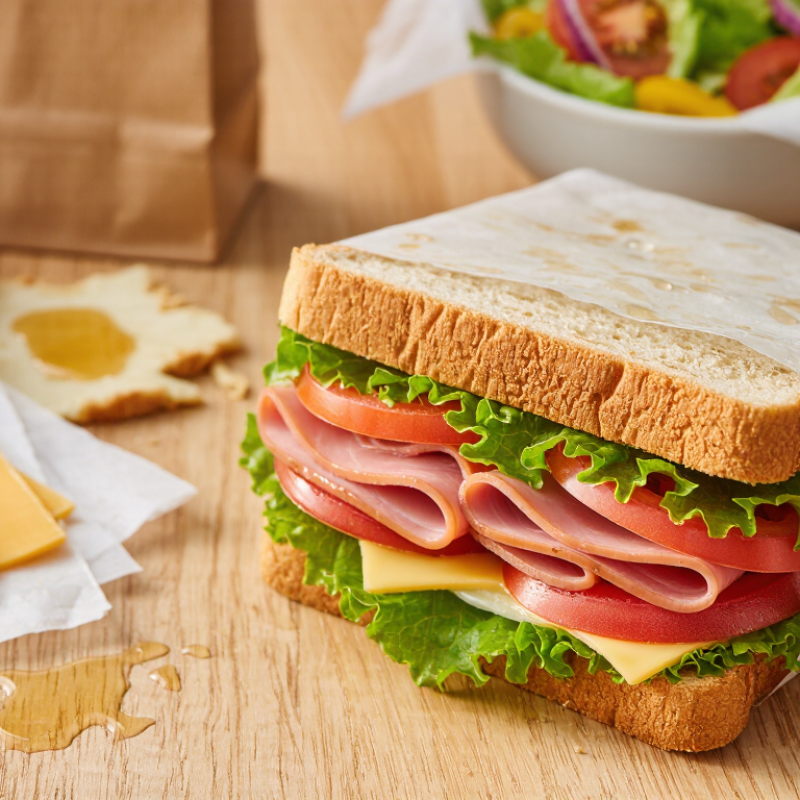
Wax paper is a thin sheet coated with a food-grade wax, commonly paraffin. The paper gives it shape; the coating slows moisture transfer and helps food release cleanly. Feel the slightly slick surface. It is useful for wrapping sandwiches, covering chilled bowls, or separating cookies before freezing. It is not the same as parchment paper, which is designed for oven use. Not for oven heat.
The wax layer can soften or melt when heated, so keep wax paper away from hot pans and baking elements. It can also pick up grease or tear around damp foods; the coating is a barrier, not a sealed package.
The U.S. EPA’s Advancing Sustainable Materials Management: 2018 Fact Sheet reports a 68.2% recycling rate for paper and paperboard. That figure covers the broad material category, not wax paper specifically. Wax coatings may affect whether a sheet is accepted for recycling, and local facilities differ. Check local guidance before putting used sheets in a recycling bin.
A small practical detail: clean, dry wax paper may be easier to reuse than paper that has touched oily food.
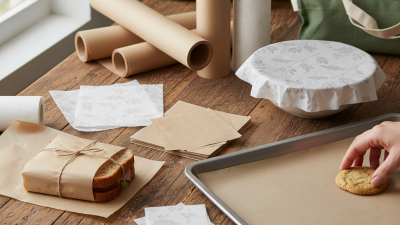
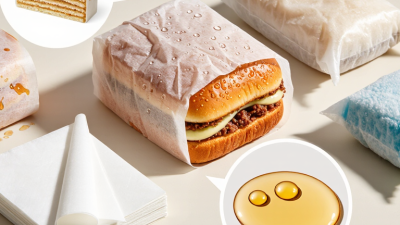
Wax paper is handy for foods that need a light, flexible barrier. Wrap a sandwich for lunch, especially one with a firm filling and little dressing. Cookies, brownies, and slices of cake can also be layered between sheets, keeping crumbs and sticky surfaces from clinging together. It works well for pieces of cheese and homemade candy, too. The coating helps resist grease and moisture, but it is not waterproof.
For baking projects, wax paper can hold rolled-out cookie dough or separate pastry rounds in the refrigerator. It also makes a tidy surface for shaping chocolate clusters or portioning sticky treats. Keep it away from oven heat. It is not a substitute for parchment paper on a baking tray. I find it less useful for very wet foods; liquid can seep through or soften the paper. That detail is easy to overlook.
Tips: Use food-grade wax paper, and fold the edges snugly around sandwiches or snacks. For cheese, wrap it loosely enough to avoid trapping excess moisture, then refrigerate it. Keep that in mind. If food is hot, let it cool before wrapping, since heat may soften the wax coating.
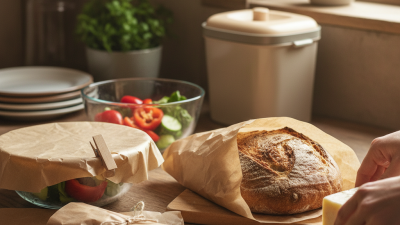
Wax paper works well for wrapping sandwiches, cheese, cookies, and other cool, relatively dry foods. Place the food near one edge, fold the paper over it, then tuck in the sides and roll snugly. A small piece of tape can hold the parcel closed. Keep the wrap close to the food, but do not pull it so tightly that soft bread gets squashed. For cheese, leave a little breathing room; a sealed plastic container may trap too much moisture. Wax paper is moisture-resistant, not fully airtight.
Store wrapped food according to its needs. Put perishable items, such as sandwiches with meat or dairy, in the refrigerator promptly; wax paper does not keep food cold or prevent spoilage. For a lunch bag, use an insulated carrier and a cold pack when needed. Cookies and other dry snacks can stay at room temperature in a covered container. Wax paper can separate portions in the freezer, but it is not a dependable freezer barrier by itself, so place the wrapped food inside a freezer-safe container or bag. Keep it away from oven heat and do not use it for baking. Easy to confuse with parchment paper. They are not interchangeable.
Wax paper is useful for wrapping sandwiches, separating chilled cookie dough, or covering a bowl in the refrigerator. Its thin wax coating helps resist moisture, but it is not designed for high heat. In an oven, toaster oven, or under a broiler, the coating can soften or melt, and exposed paper may scorch. Keep it away from hot pans and heating elements. It is not parchment paper, even when both sheets look similar.
For hot leftovers, choose a container or wrapping specifically labeled for that use. The FDA’s food-contact rules require materials to be suitable for their intended conditions of use (21 CFR 174.5), so check the package rather than assuming every wax paper has identical specifications. A common kitchen mistake is wrapping food while it is still steaming; trapped heat can create condensation and soften the sheet. Wax paper also does not make food safe at room temperature. USDA Food Safety and Inspection Service guidance says perishable food should not sit out longer than two hours, or one hour when temperatures exceed 90°F. That timing matters more than the wrap. I still find the distinction easy to overlook when preparing a quick lunch.
Wax paper is commonly used to wrap cold foods and separate items during food preparation. It is generally not suitable for conventional ovens or direct heat because its wax coating can melt or smoke. Use it in a microwave only when the product packaging says it is microwave-safe.
For oven heat, choose parchment paper rather than wax paper. Parchment is designed for baking, but check its package for a temperature limit. A sheet beneath cookies helps prevent sticking and makes cleanup easier. Not under a broiler. Wax paper’s coating can soften or smoke when exposed to high heat, so keep it away from oven elements. For roasting or grilling, aluminum foil handles heat well and can contain juices. However, acidic foods may develop an off taste after prolonged contact with foil. A reusable silicone baking mat is another option for repeated baking, though it may not fit every pan.
For longer storage, use airtight containers or freezer-safe bags. They help limit air exposure, which can dry out food and cause freezer burn. Freezer paper can wrap firm foods, such as portions of meat, but its coating and intended use vary; check the label before freezing. Press out excess air, seal the package, and write the contents and date on it. Small details matter.
Wax paper still works for brief, cool-food tasks, such as separating cookies in a container. It is not a reliable barrier for extended freezer storage or oven cooking. I sometimes reach for the quickest wrap and regret it later, especially when a loose seal leaves food icy and dry. A rigid container takes more room, but protects delicate leftovers better.